
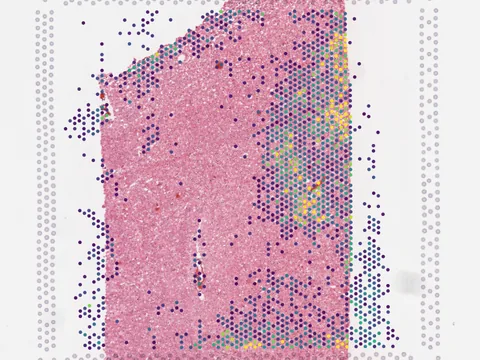
 Visium
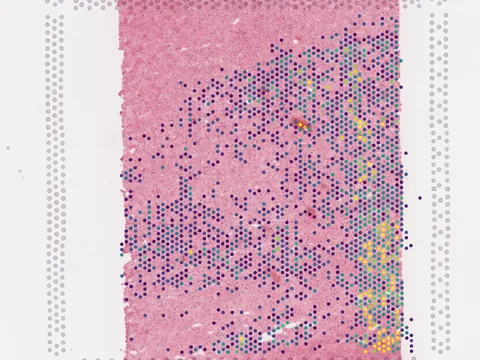
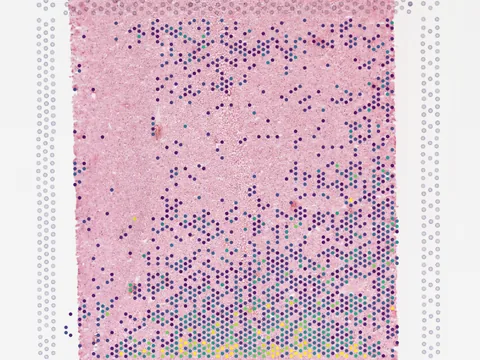
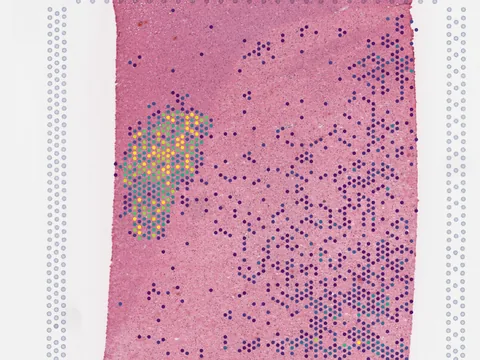
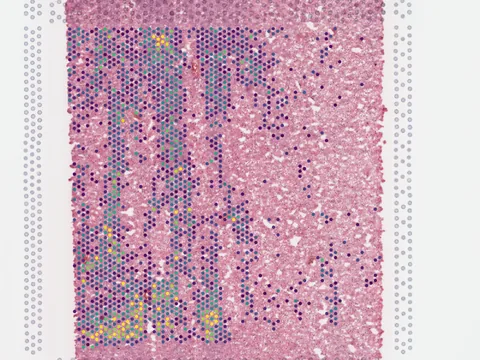
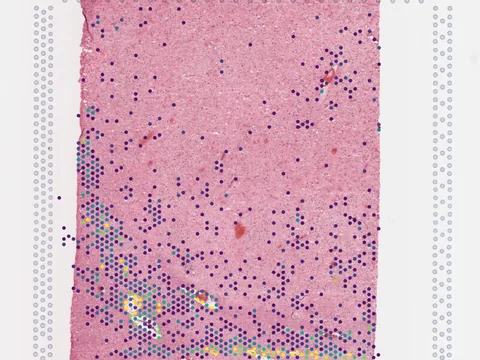
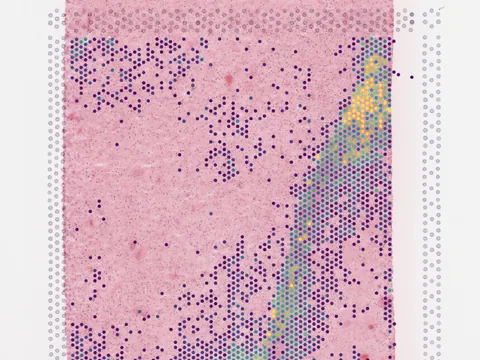
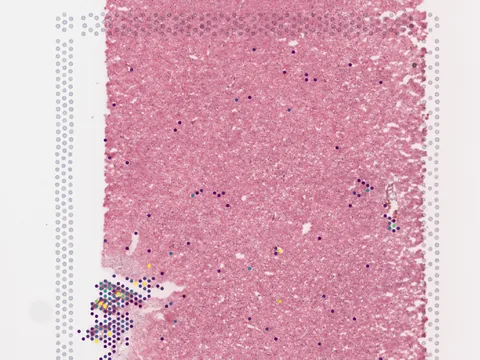
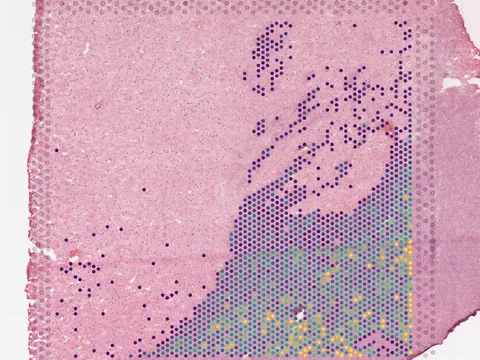
Human amygdala
GSM9937049
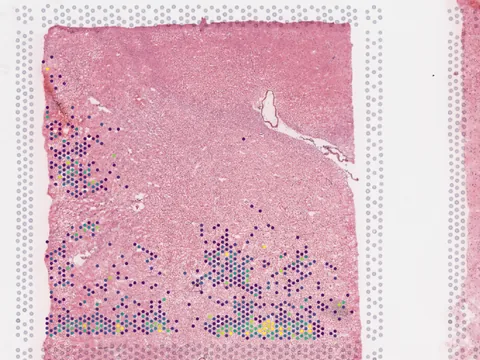
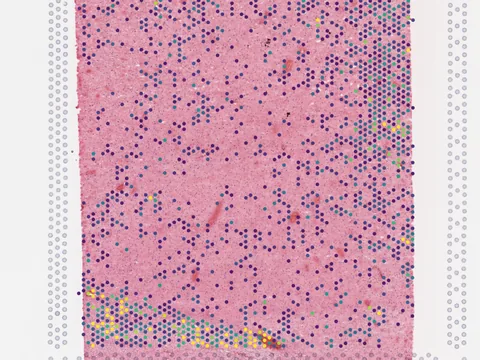
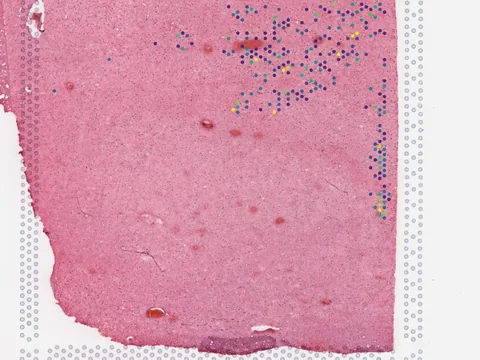
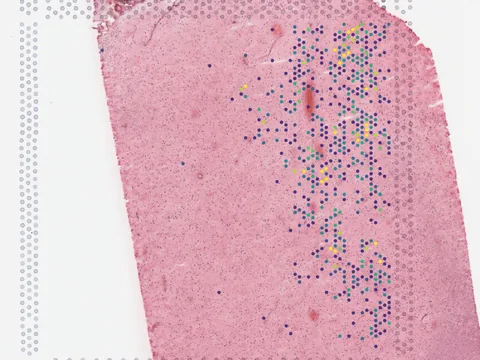
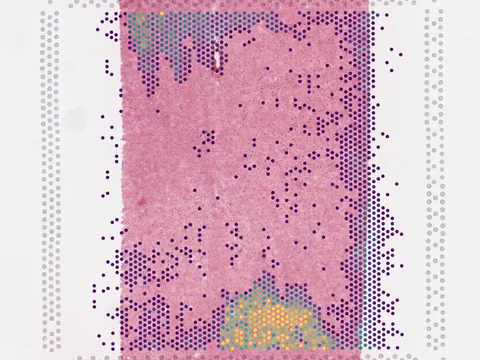
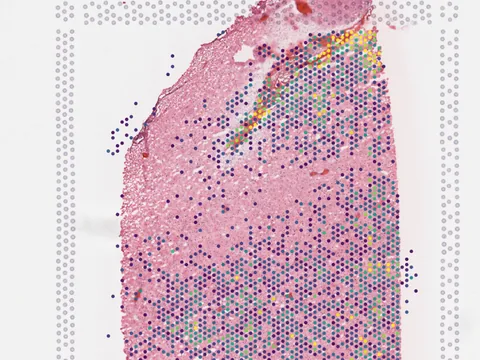
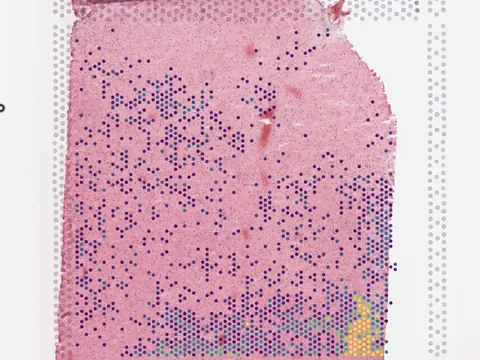
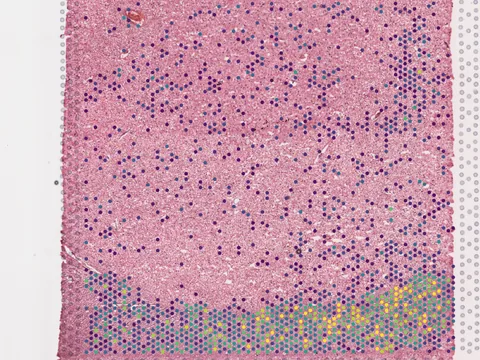
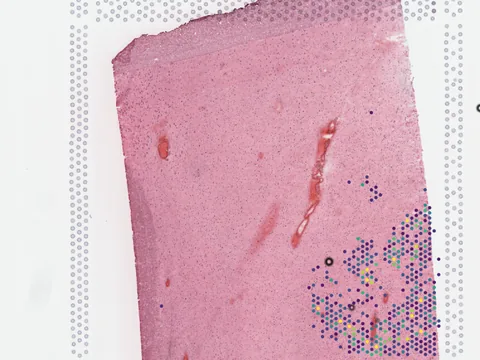
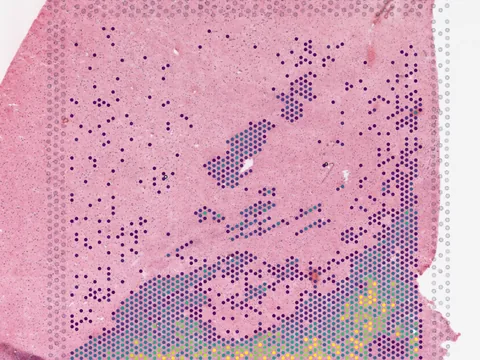
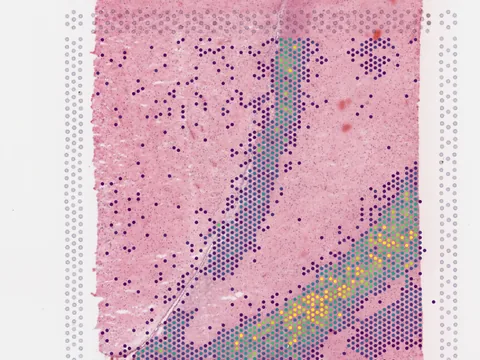
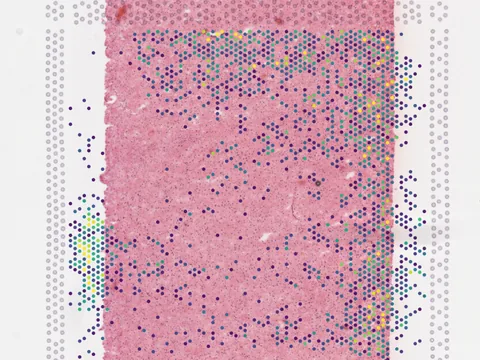
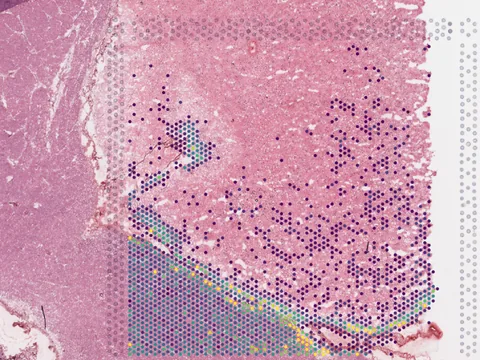
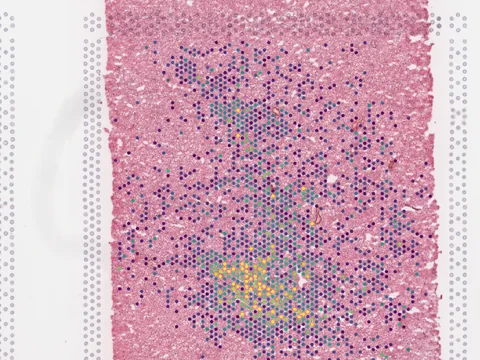
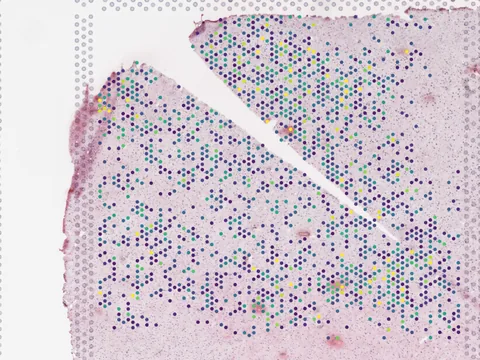
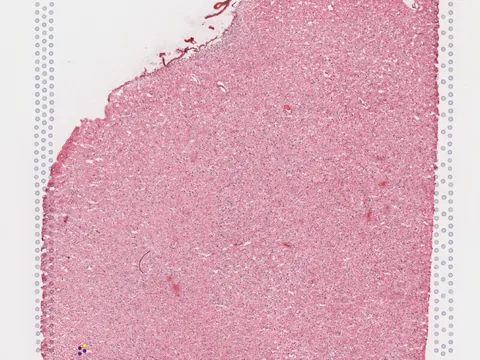
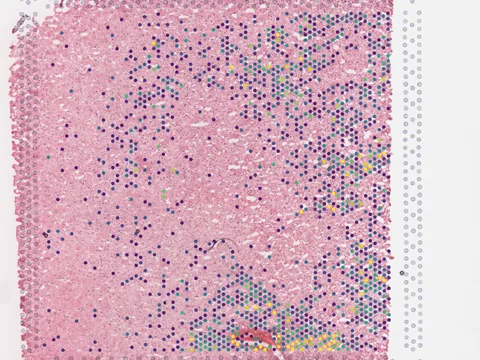
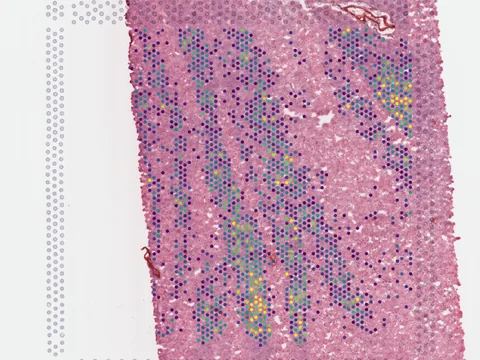
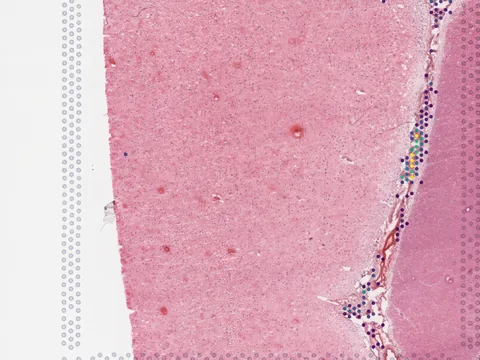
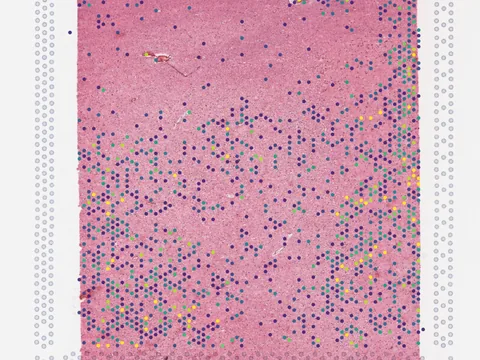
human amygdala 1.4 GB 4,992 obs silver H&E
TechnologyVisium
Organismhuman
Tissueamygdala
Obs4,992
Magnification20x · 0.305 µm/px
silver H&E
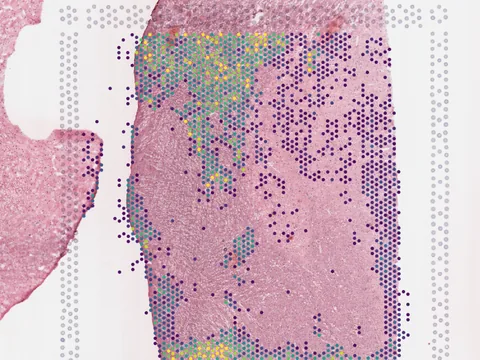
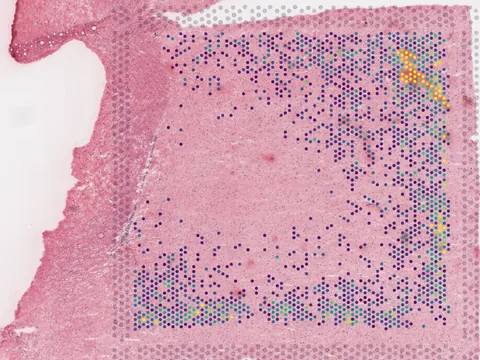
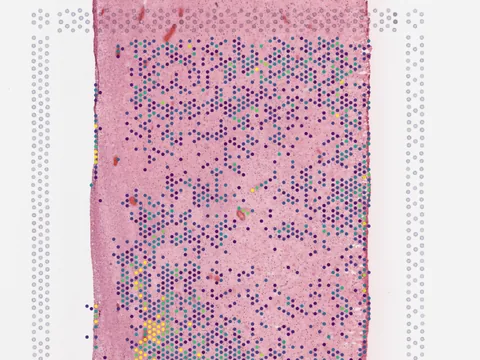
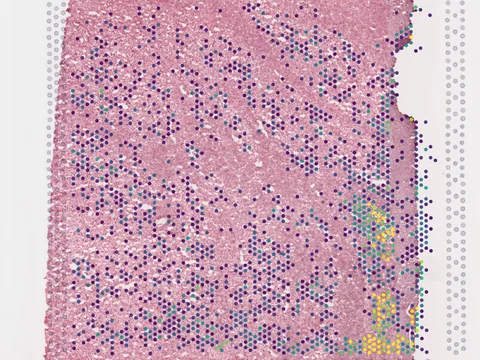
The amygdala is a central hub for emotional learning that is dysregulated across numerous psychiatric disorders, yet its molecular architecture in humans remains poorly defined. We here present a spatial transcriptomic atlas of the human amygdala from nine neurotypical donors. Integrating Visium, Xenium, and VisiumHD technologies, we profiled over 1.1 million cells across 13 spatial domains spanning the basolateral complex, central, medial, and cortical nuclei, as well as the intercalated islands, each defined by distinct marker genes and gene co-expression networks. By integrating snRNA-seq reference atlases, we found that each subdivision of the basolateral subnucleus contains distinct excitatory neuron classes. We additionally found three transcriptionally distinct populations of intercalated neuron types, two of which form spatially distinct islands neighboring the basolateral complex, and were able to refine cell type diversity across the central nucleus and related amygdalostriatal transition areas. Finally, we leveraged this atlas to spatially resolve the transcriptomic signatures of alcohol use disorder across cell types and subnuclei. Together, this atlas provides a foundational resource and framework for accelerating cross-species comparisons and human disease-focused investigations.
import lamindb as ln
import spatialdata as sd

coll = ln.Collection.get(key="geo-gse342709")
coll.ordered_artifacts.df()                 # the 48 members, ordered

# download every member .zarr to the local cache:
paths = [a.cache() for a in coll.ordered_artifacts.all()]

# …or load each straight into memory as a SpatialData object:
sdatas = {a.key: sd.read_zarr(a.cache()) for a in coll.ordered_artifacts.all()}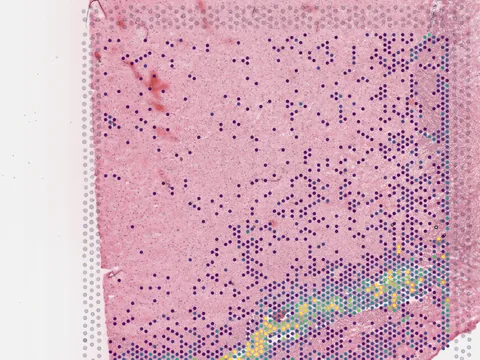 Visium
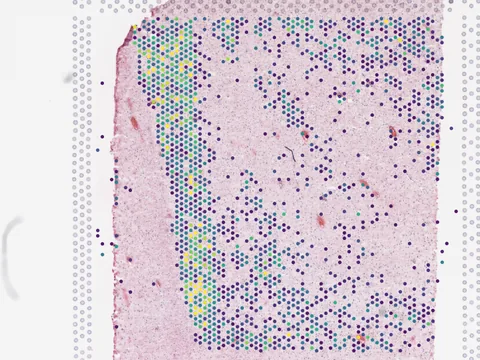 Visium
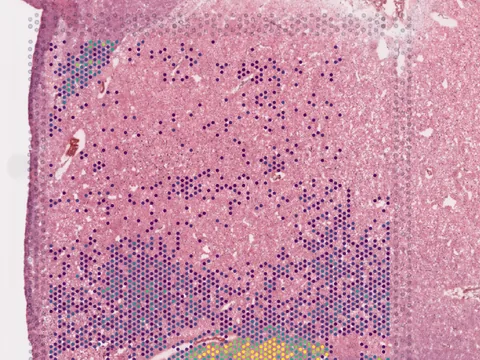 Visium
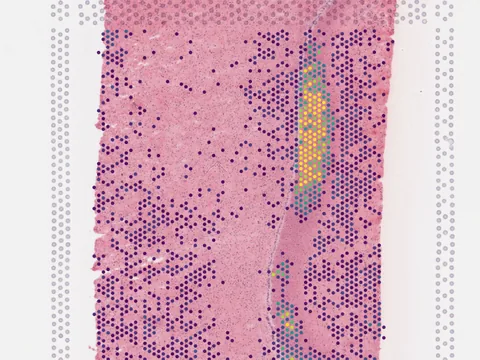 Visium
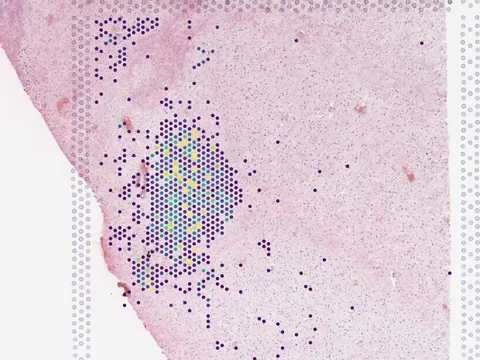 Visium
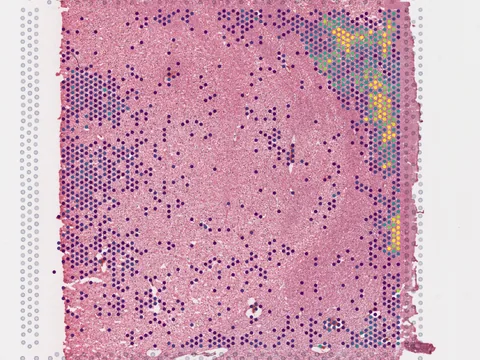 Visium
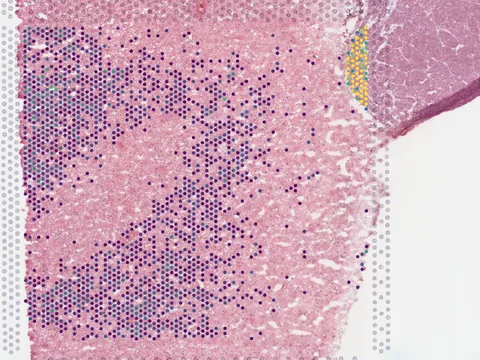 Visium
 Visium
 Visium
 Visium
 Visium
 Visium
 Visium
 Visium
 Visium
 Visium
 Visium
 Visium
 Visium
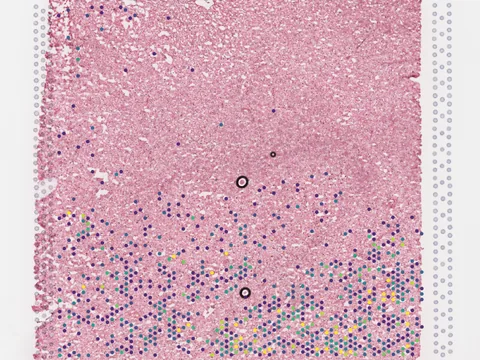 Visium
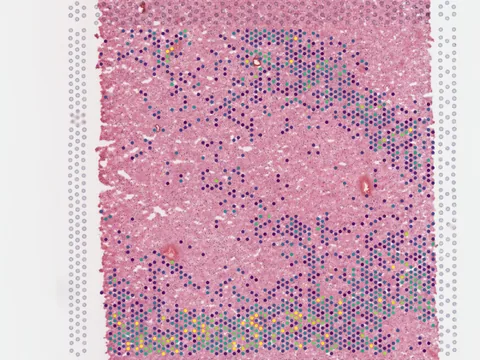 Visium
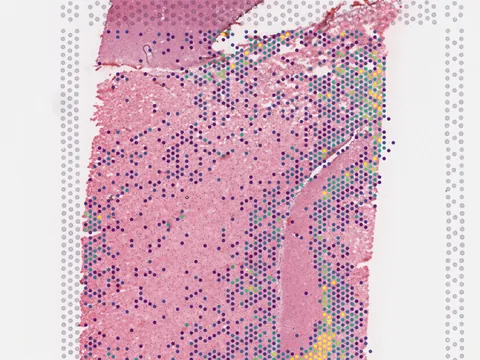 Visium
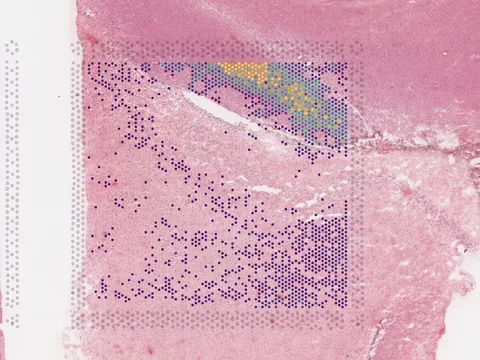 Visium
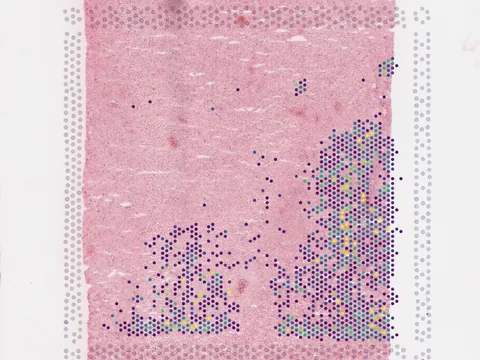 Visium
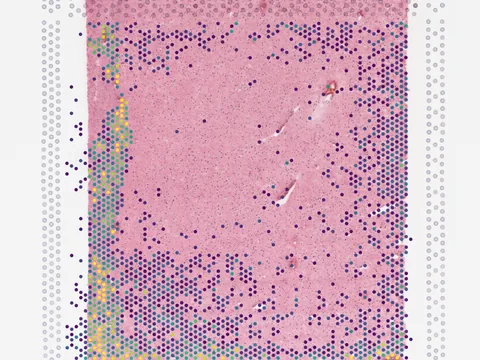 Visium
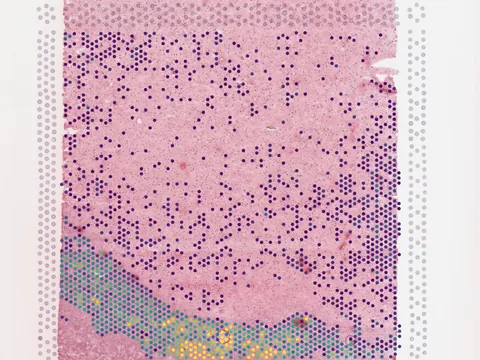 Visium
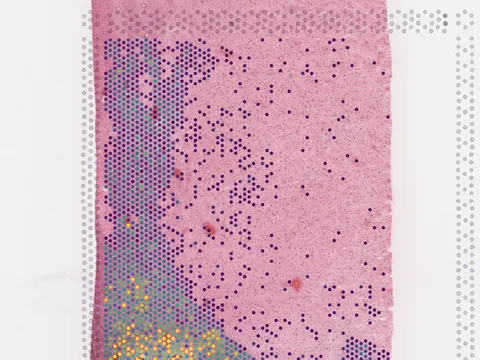 Visium
 Visium
 Visium
 Visium
 Visium
 Visium
 Visium
 Visium
 Visium
 Visium
 Visium
 Visium
 Visium
 Visium
 Visium
 Visium
 Visium
 Visium
 Visium
 Visium
 Visium
No linked publication found — please cite the data source.