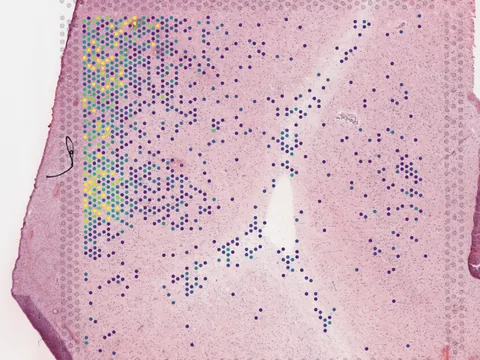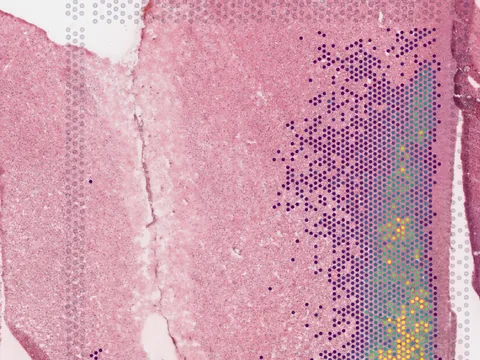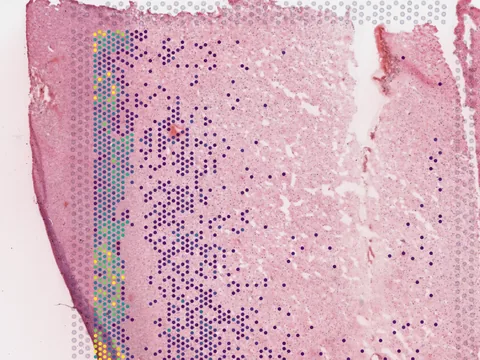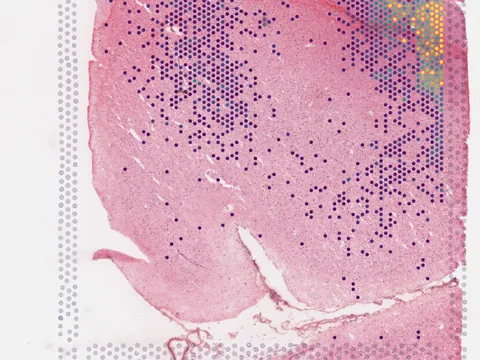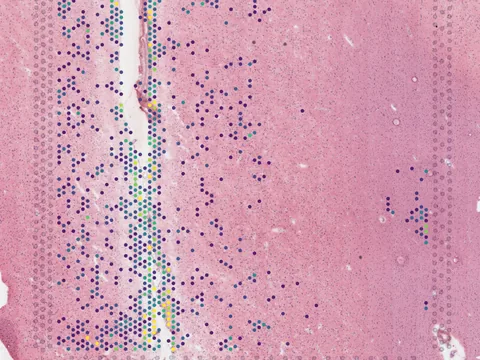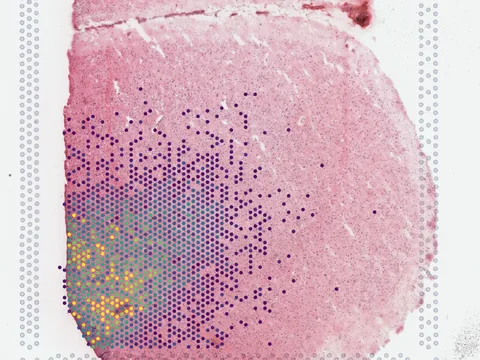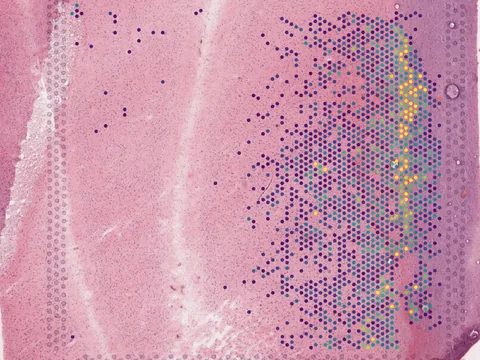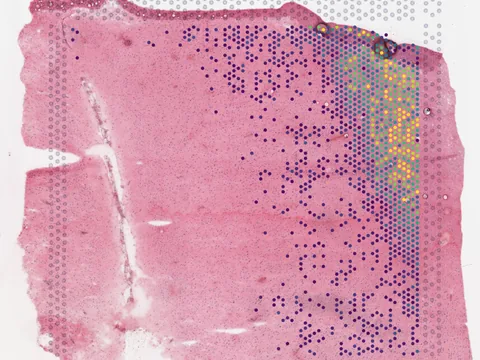
Overlapping yet distinct spatiomolecular profiles across mood disorders and biological sex in the human prefrontal cortex
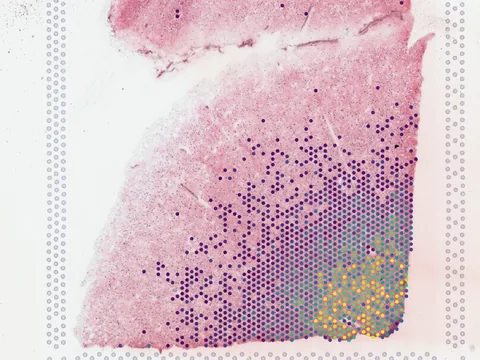
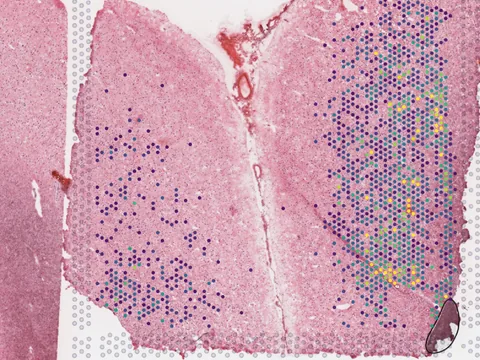
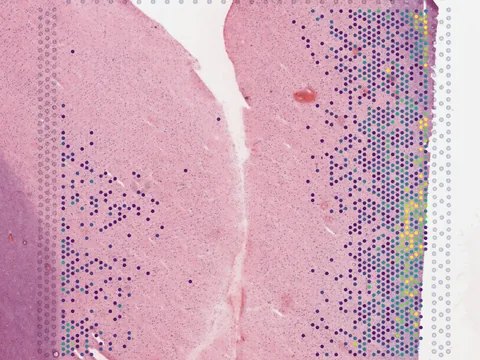
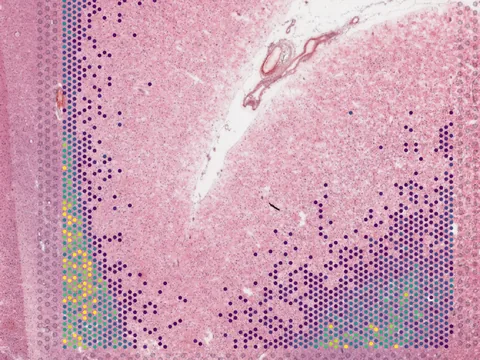
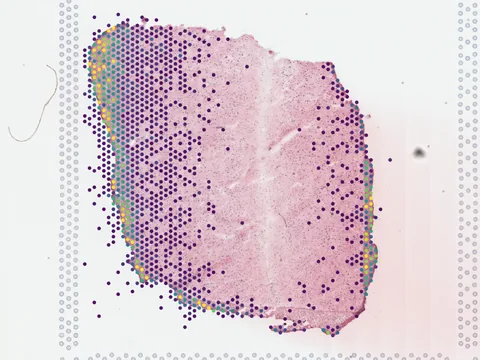
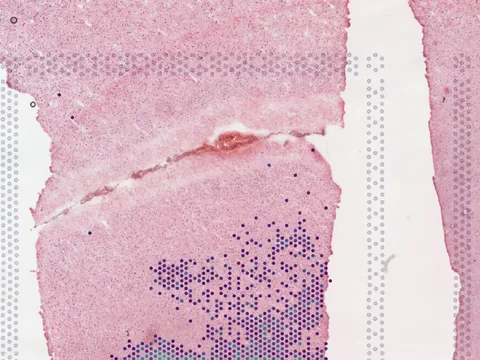
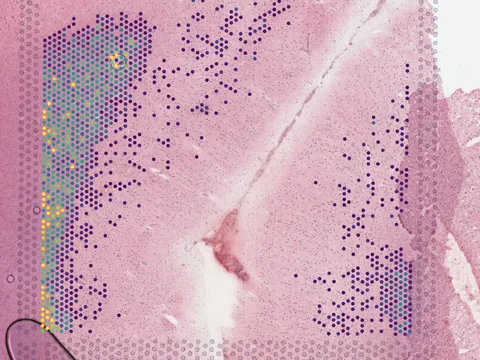
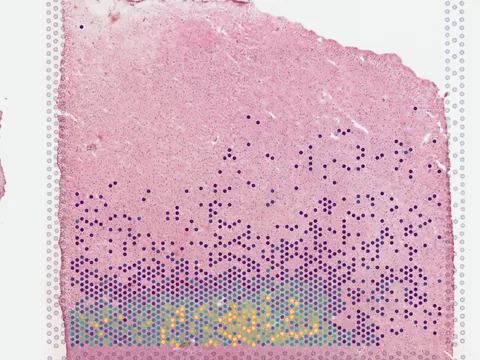
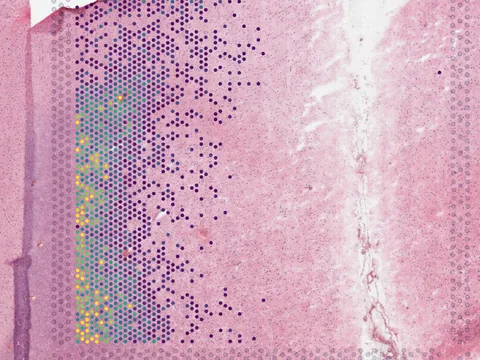
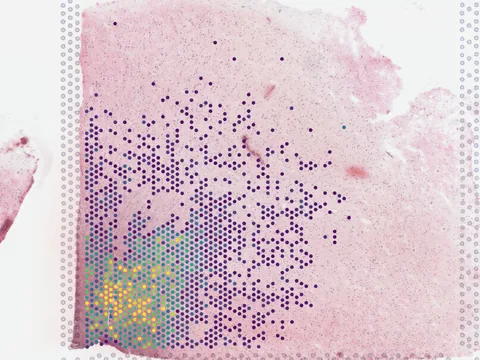
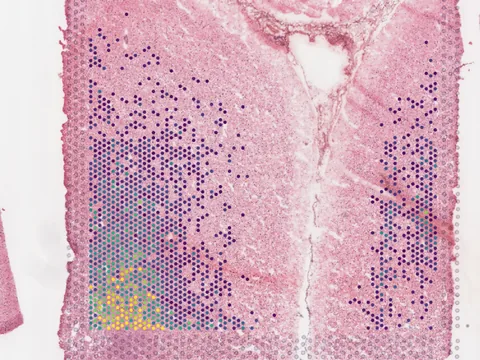
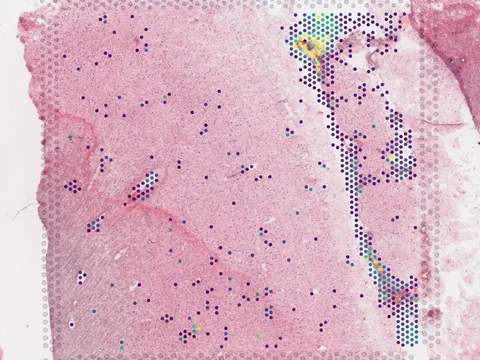
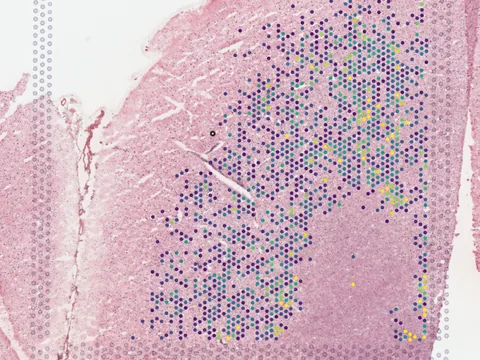
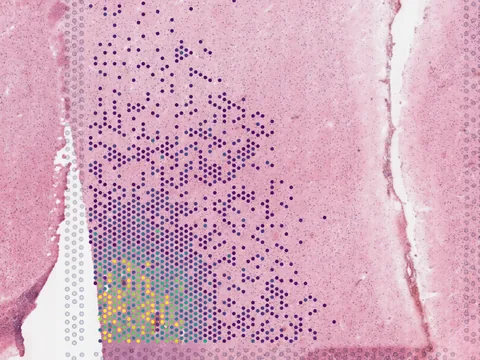
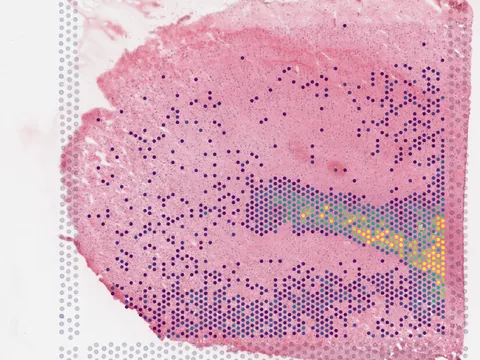
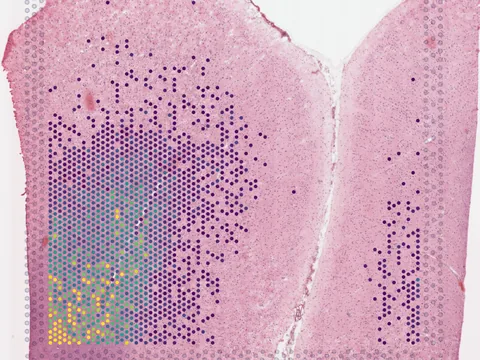
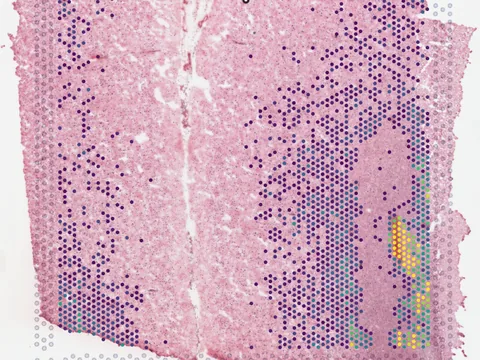
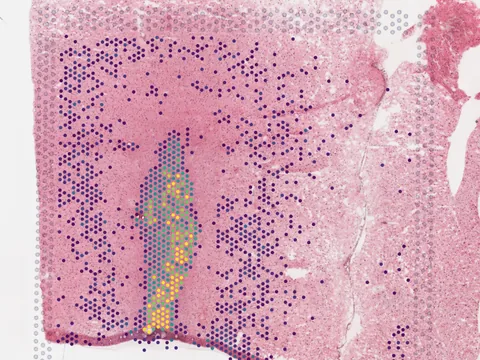
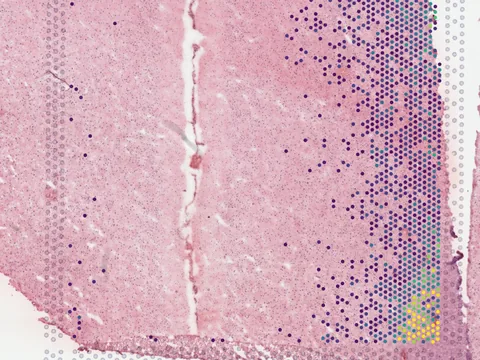
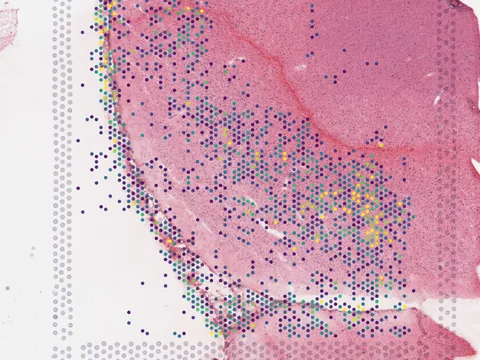
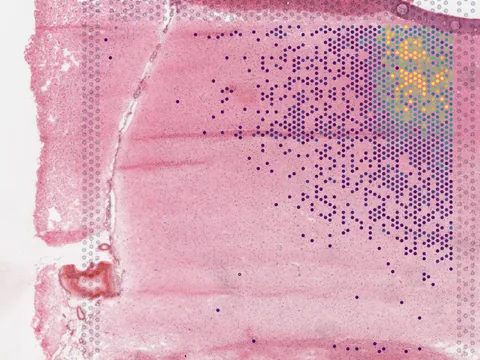
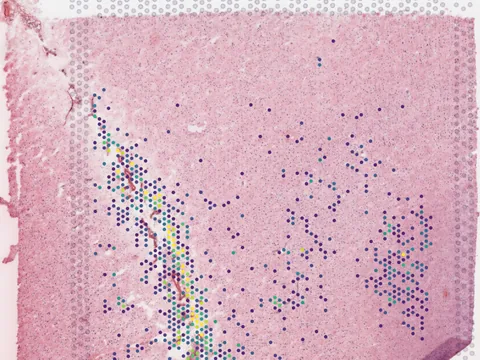
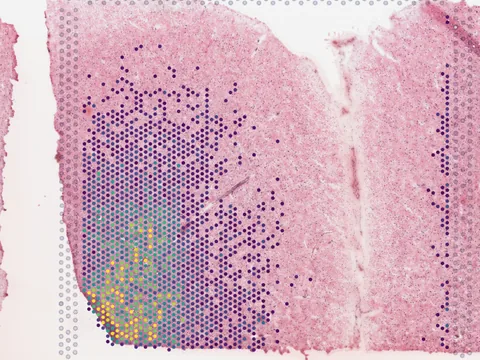
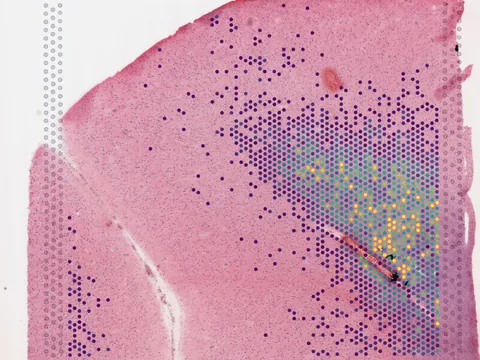
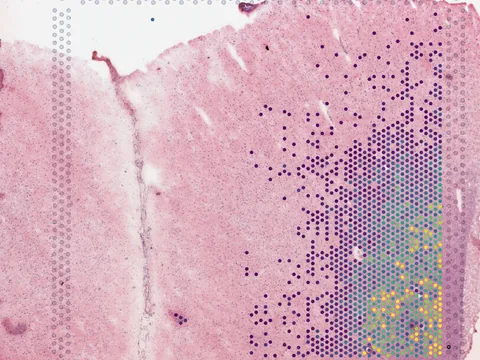
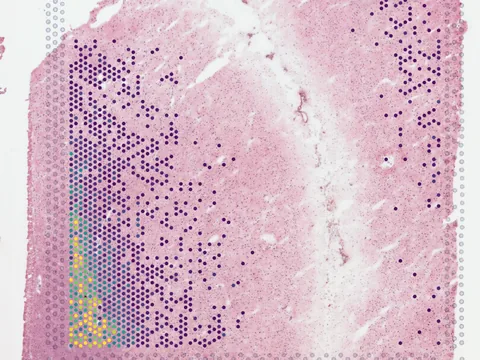
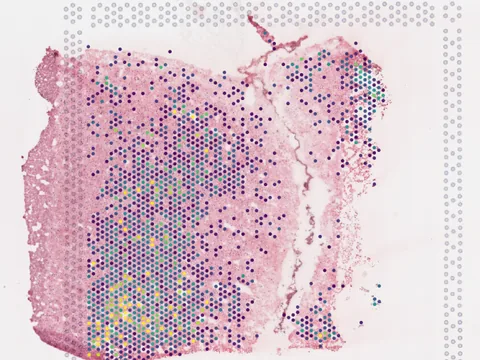
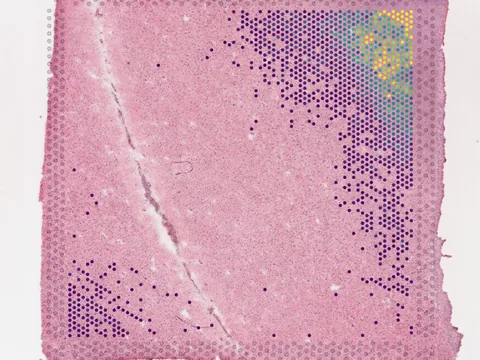
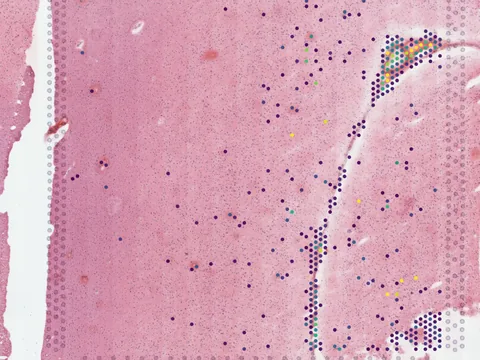
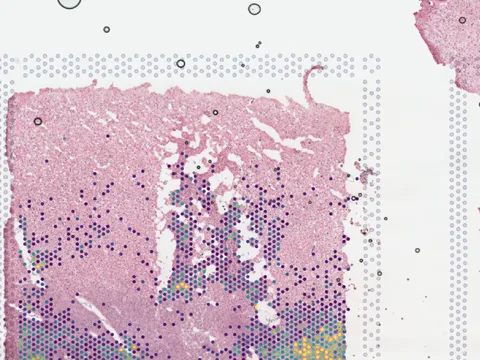
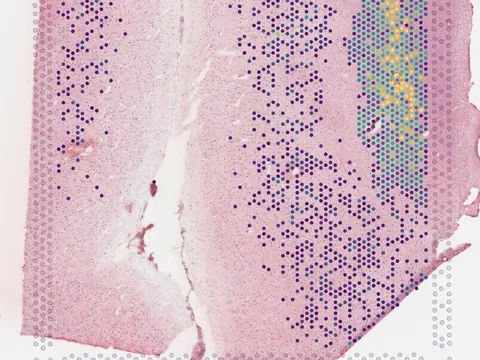
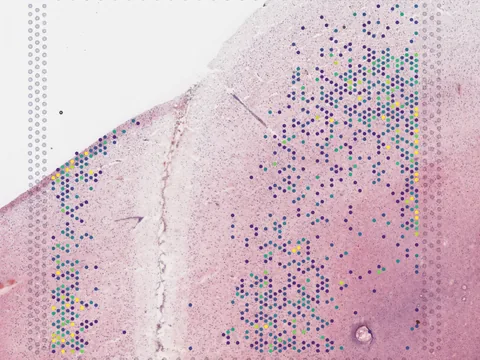
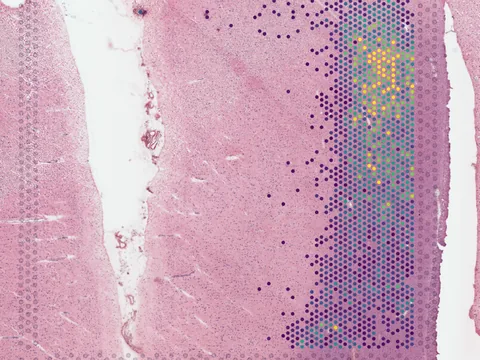
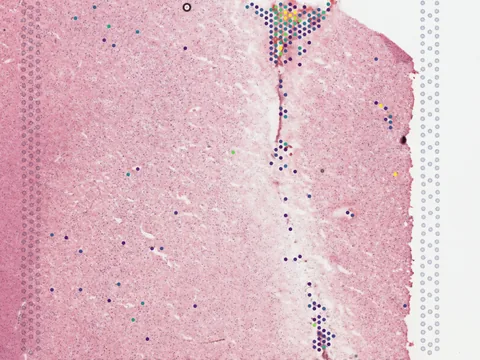
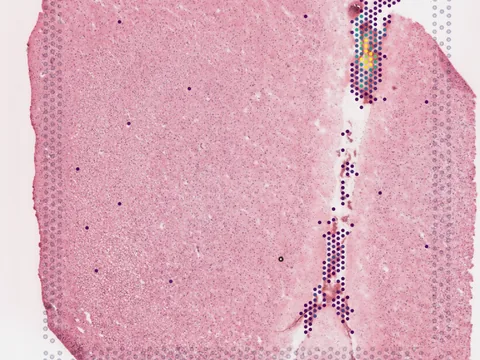
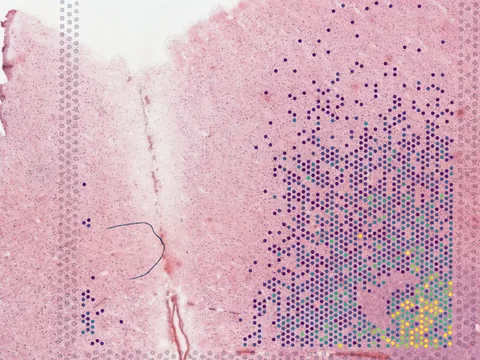
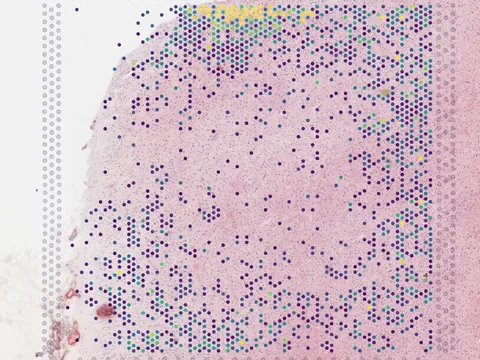
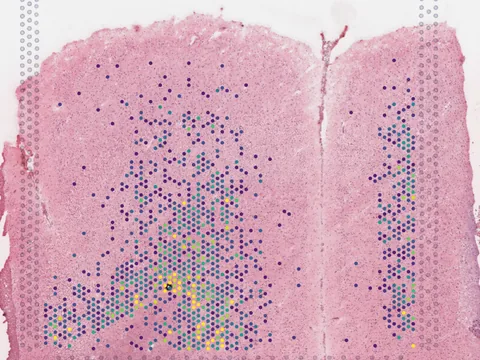
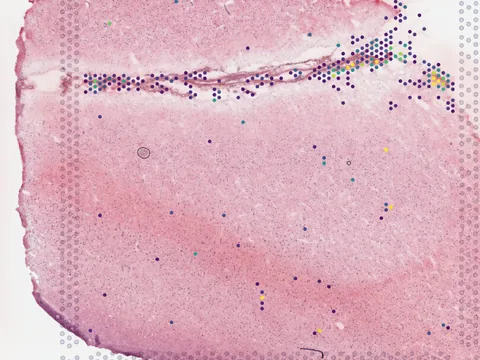
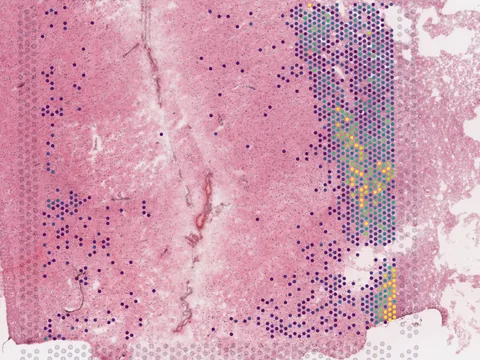
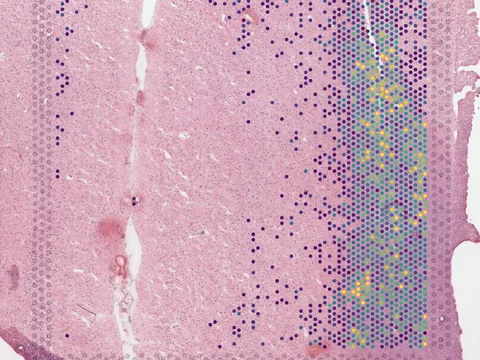
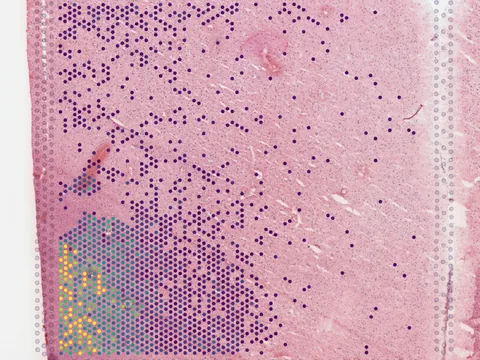
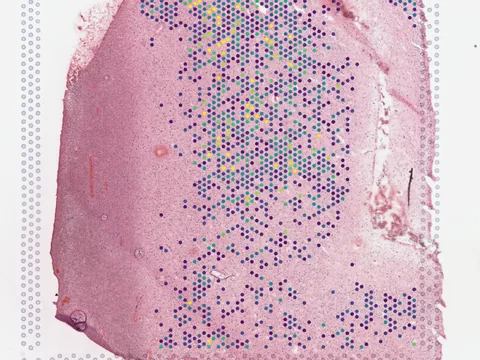
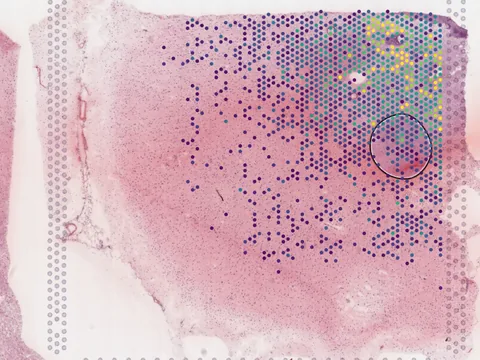
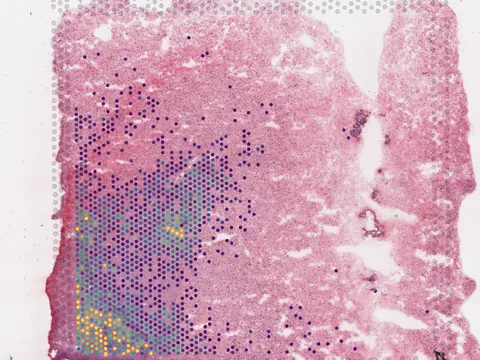
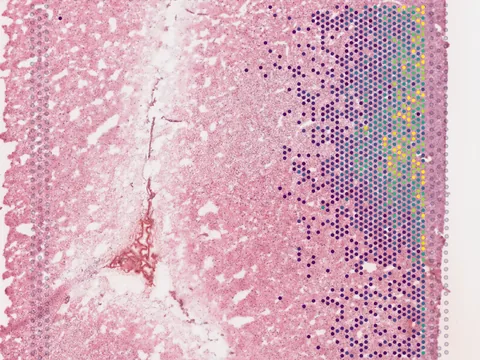
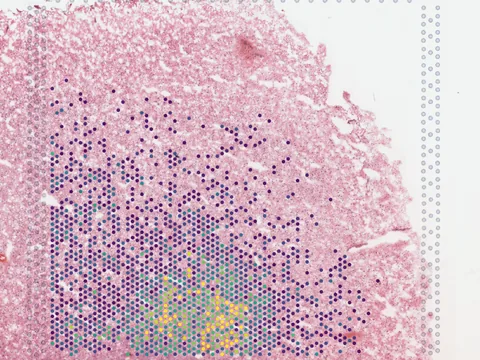
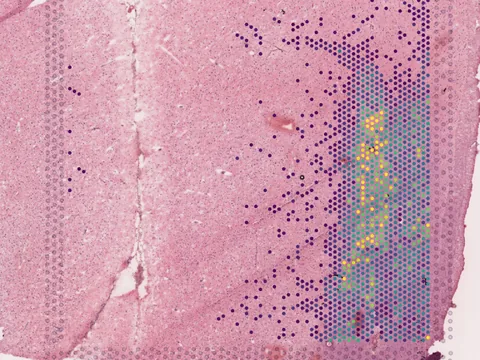
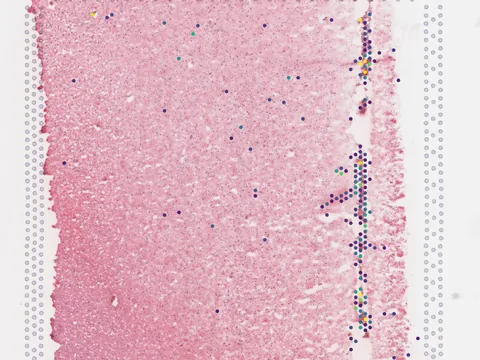
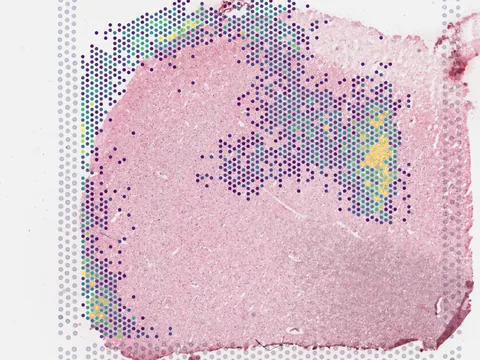
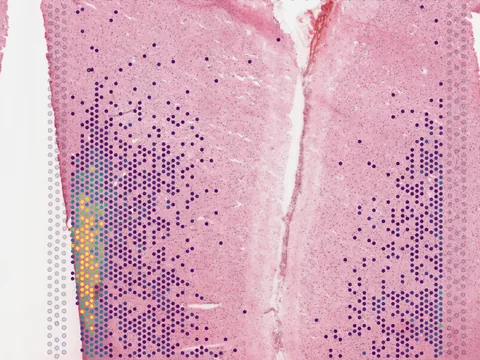
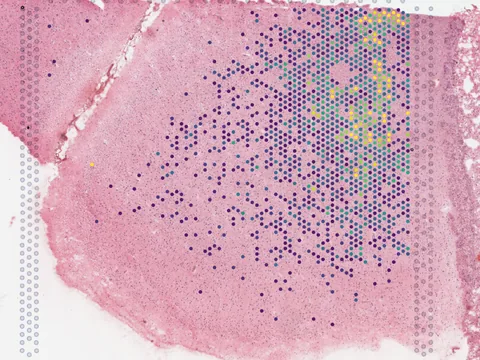
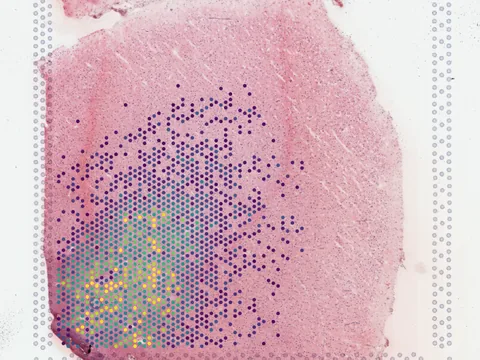
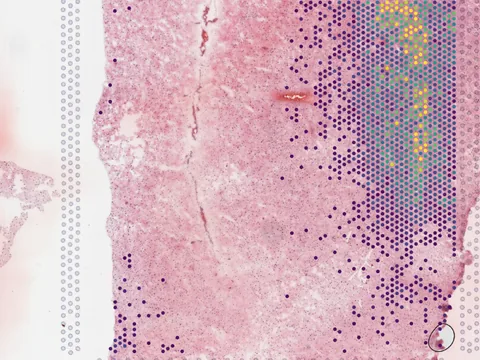
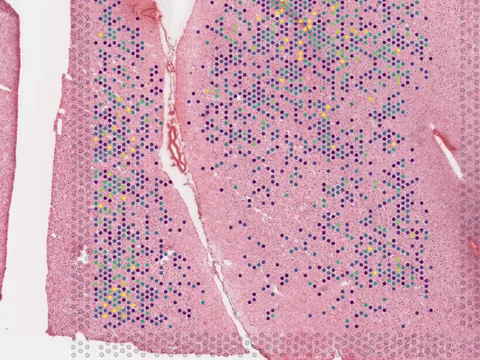
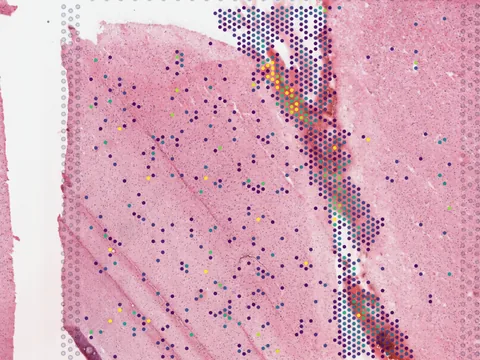
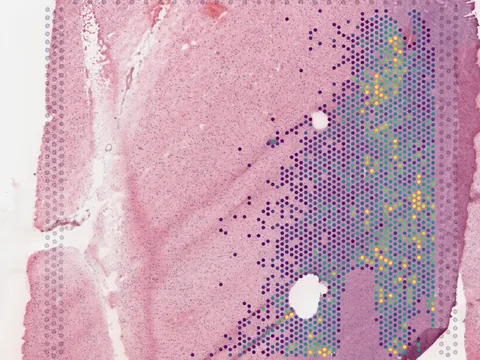
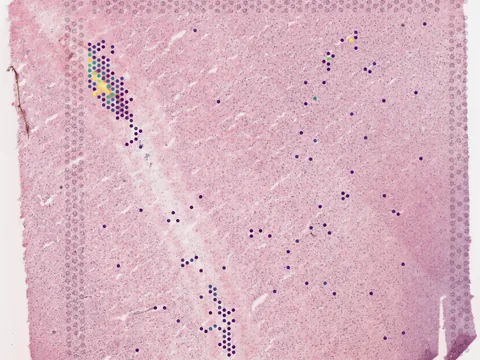
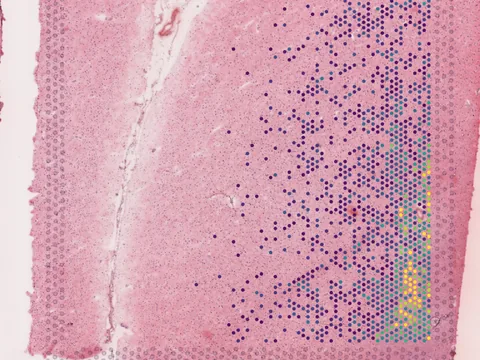
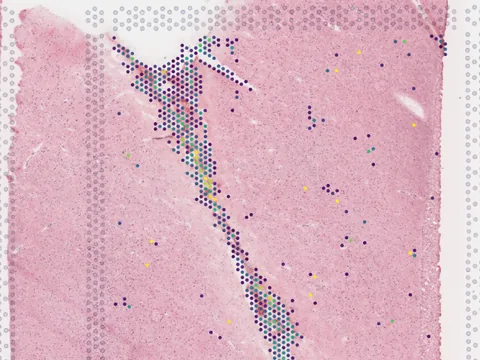
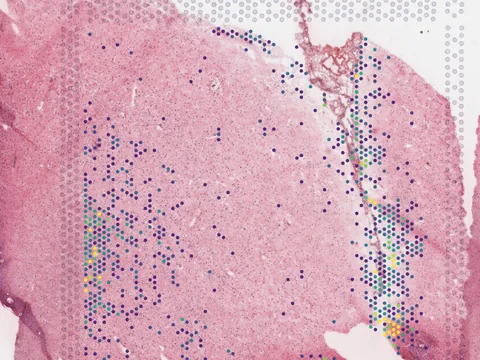
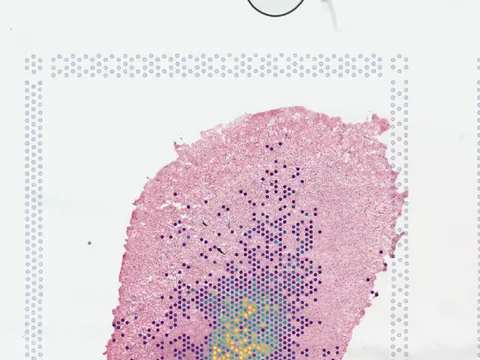
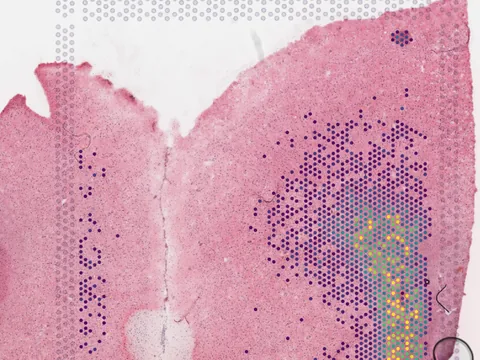
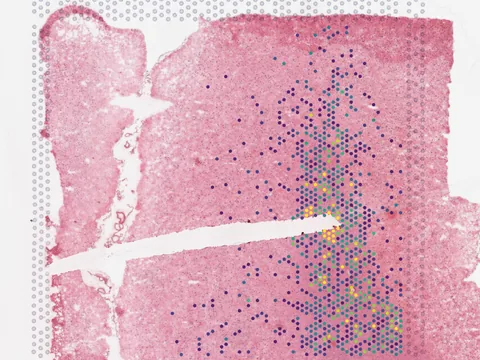
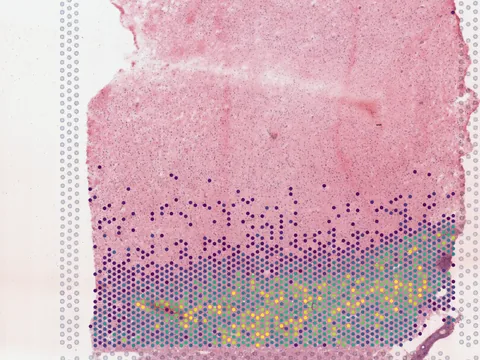
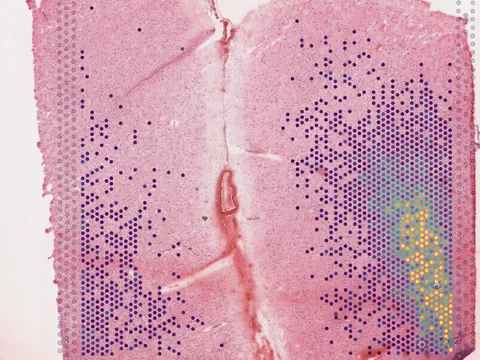
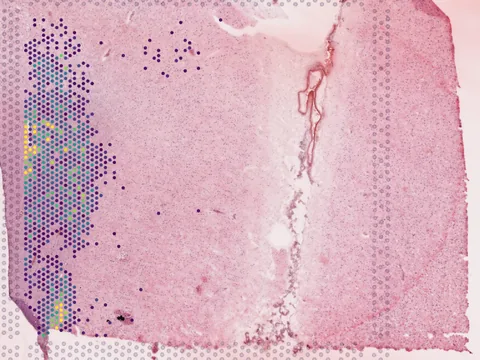
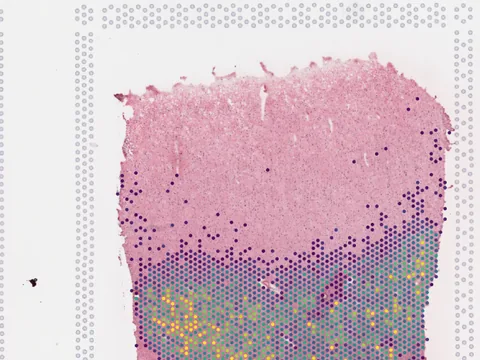
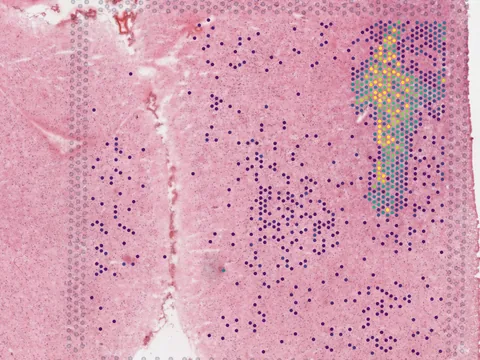
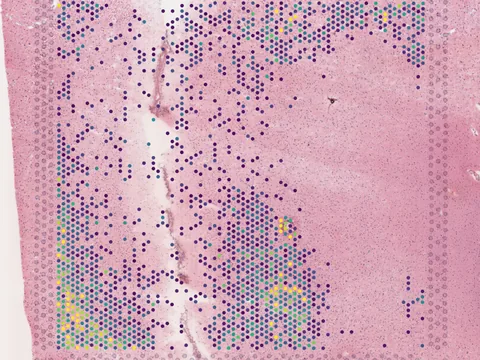
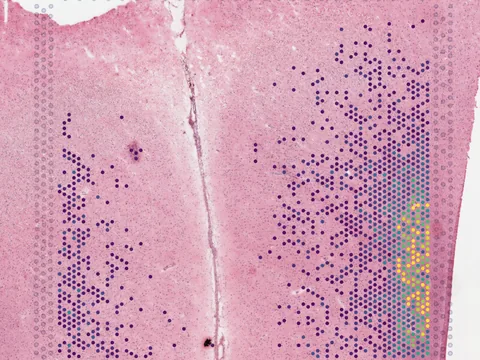
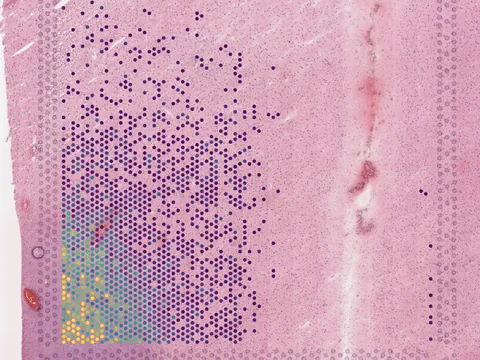
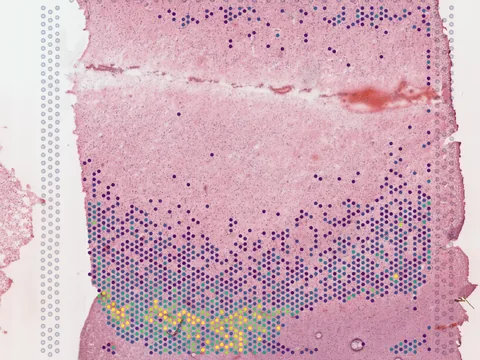
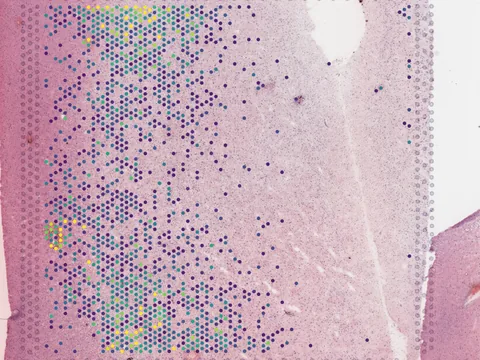
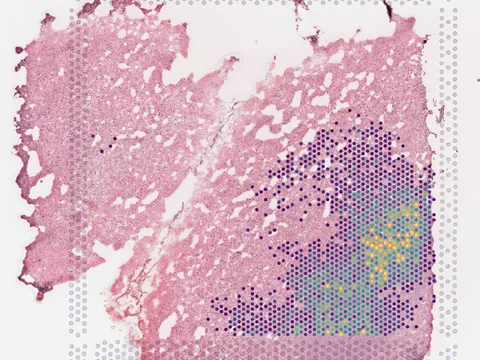
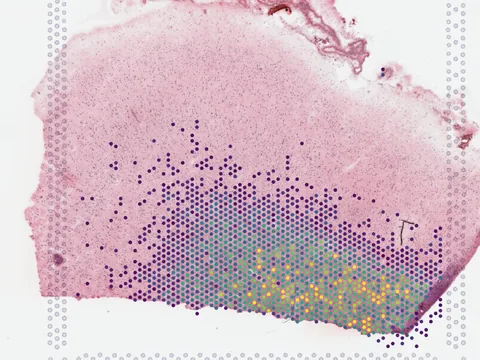
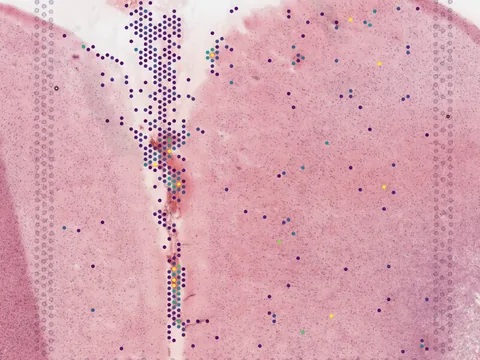
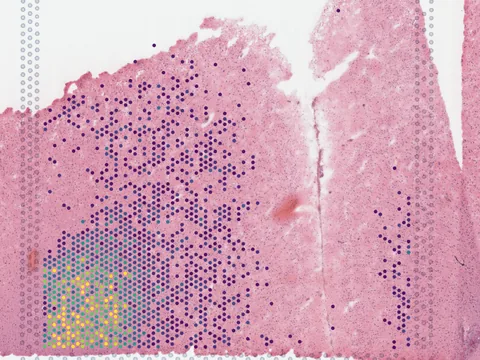
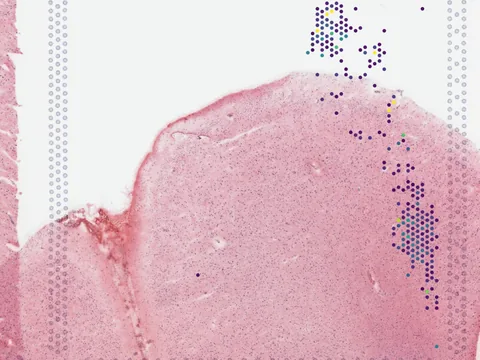
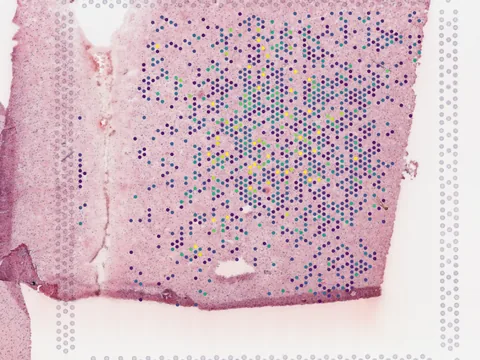
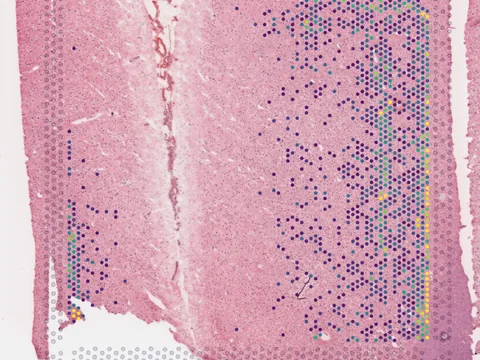
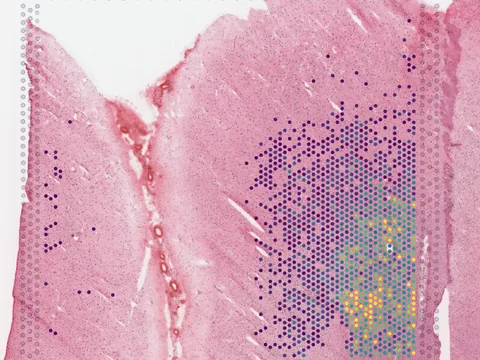
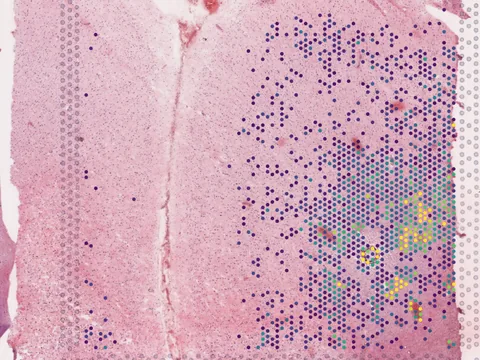
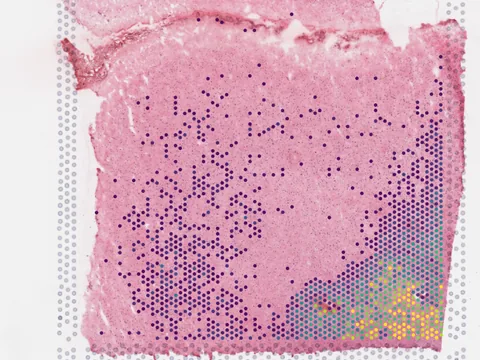
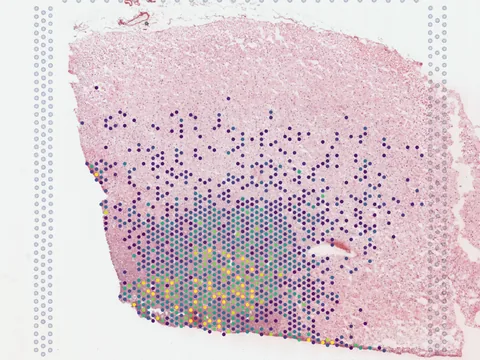
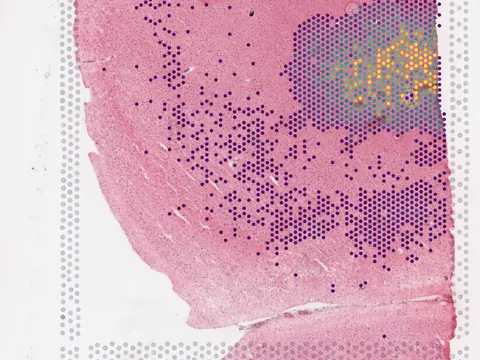
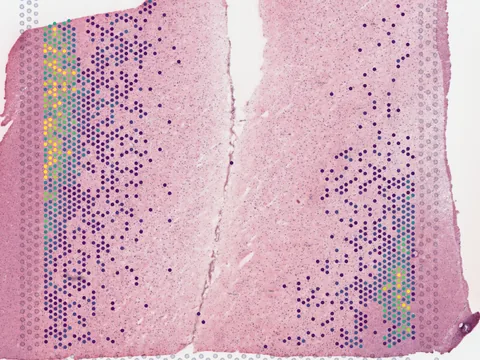
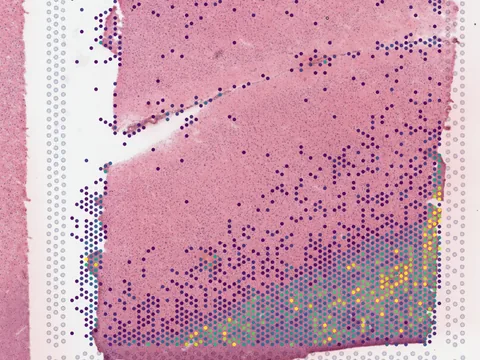
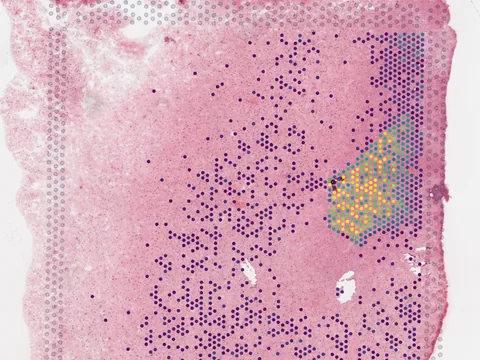
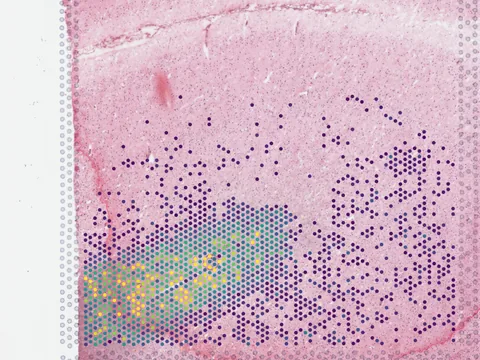
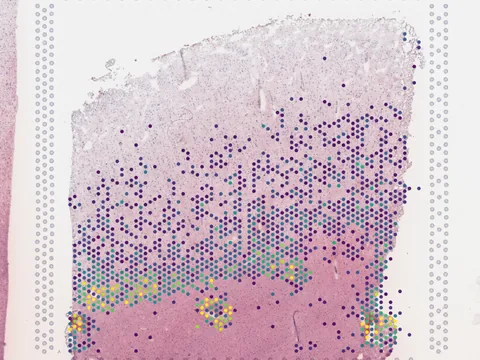
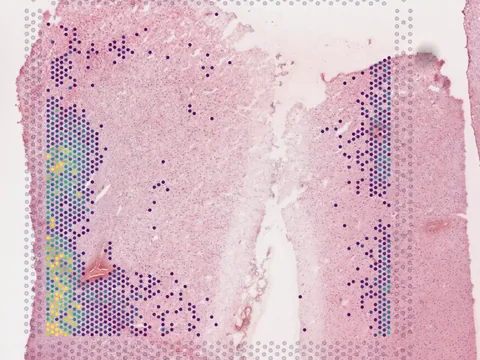
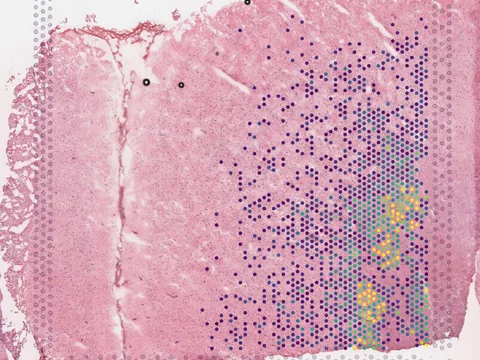
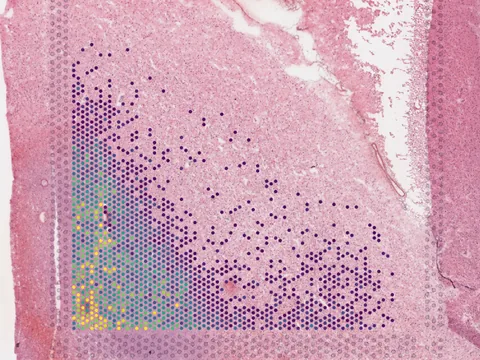
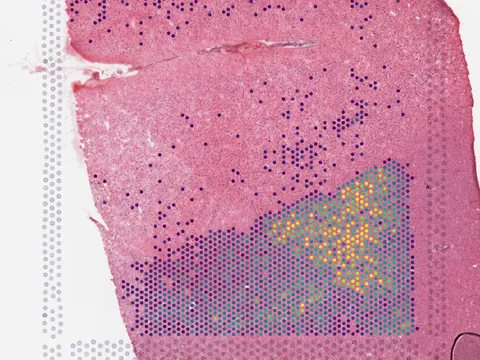
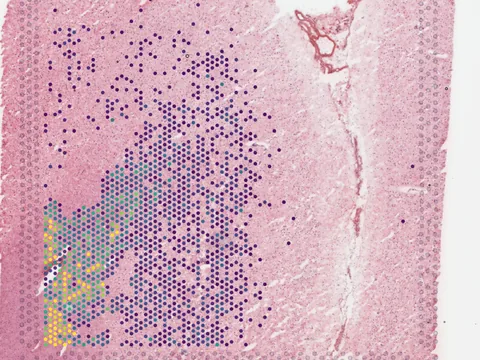
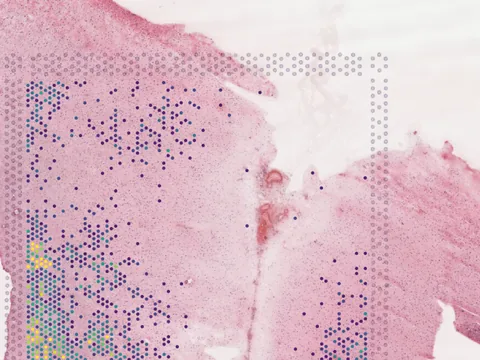
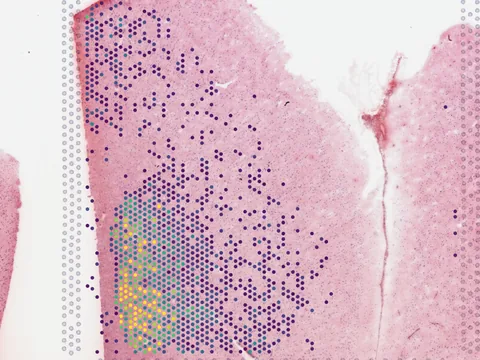
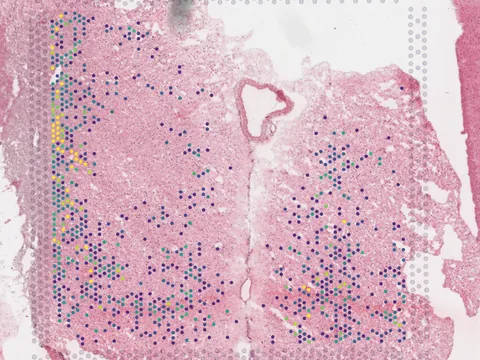
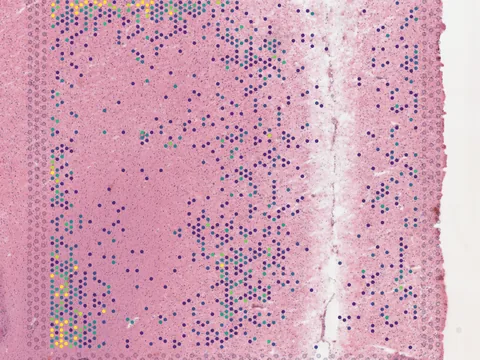
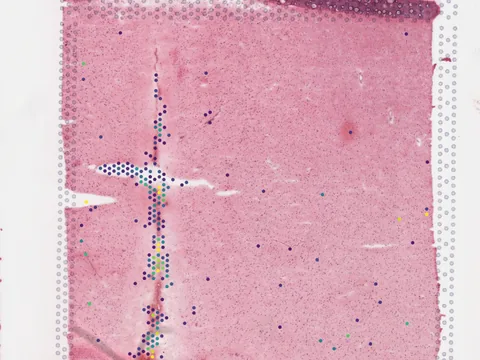
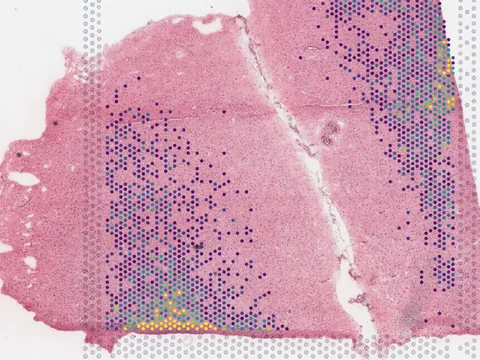
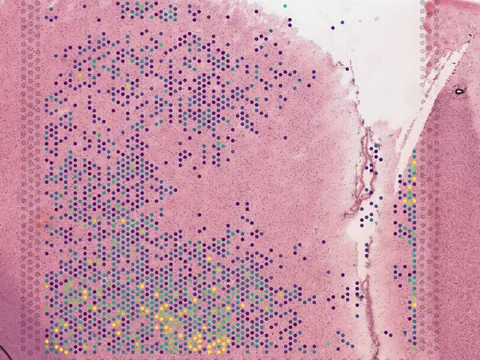
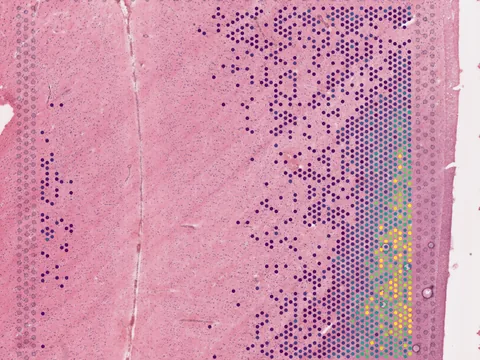
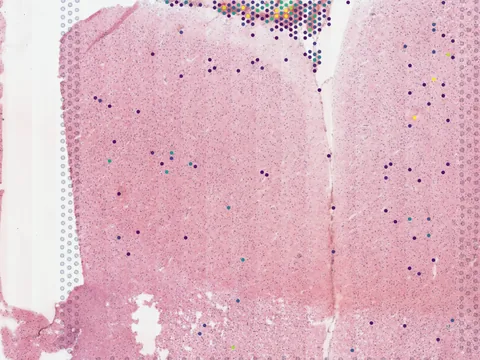
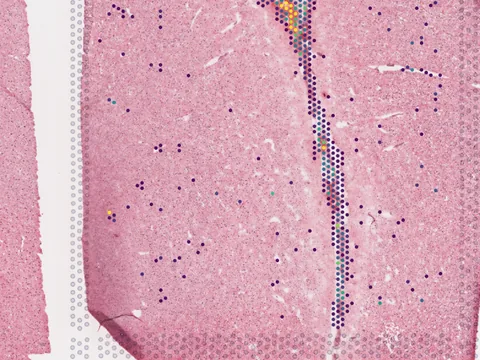
Major depressive disorder (MDD) and bipolar disorder (BD) are common neuropsychiatric conditions with complex etiology and heterogenous presentation. The cellular mechanisms underlying MDD and BD have expanded beyond the monoamine hypothesis and abundant evidence links dysregulated circuit activity in the dorsolateral prefrontal cortex (dlPFC) to both MDD and BD. The laminar organization of dlPFC circuits was captured in this study using the 10x Genomics Visium platform to generate spatial RNA-sequencing data in postmortem tissue from adult human brain donors (N=119). We investigated sex-specific gene expression changes associated with MDD and BD in the context of the dlPFC cortical layers to identify converging and unique molecular signatures of each disorder. In MDD females and BD males and females, we identified elevated expression of genes related to cellular responses to inflammation, hypoxia, and blood-brain-barrier integrity and decreased expression of neuropeptide modulators of neuronal activity. Domain-restricted comparisons confirmed that the increased pro-inflammatory signature was present throughout the dlPFC tissue section, and not limited to domains enriched in blood vessels, astrocytes, and microglia. Altogether, our findings support the importance of sex as a biological variable for the neurobiology of MDD/BD and provide evidence for the continued investigation of inflammatory response and inhibitory signaling as intervention points for MDD/BD.
import lamindb as ln
import spatialdata as sd
coll = ln.Collection.get(key="geo-gse333974")
coll.ordered_artifacts.df() # the 114 members, ordered
# download every member .zarr to the local cache:
paths = [a.cache() for a in coll.ordered_artifacts.all()]
# …or load each straight into memory as a SpatialData object:
sdatas = {a.key: sd.read_zarr(a.cache()) for a in coll.ordered_artifacts.all()} Cite this collection
No linked publication found — please cite the data source.