
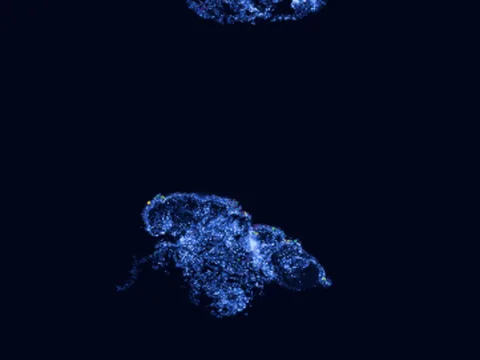
 10x Xenium
Human lung
GSM9525964
human lung acute myeloid leukemia 509 MB 43,810 obs silver NCBI GEO policy
Technology10x Xenium
Organismhuman
Tissuelung
Conditionacute myeloid leukemia
Obs43,810
silver NCBI GEO policy
Acute myeloid leukemia (AML) is a blood cancer with poor survival outcomes. In the acute setting, respiratory failure occurs frequently due to leukemia infiltration of the lungs. Underlying mechanisms remain unexplored and therapeutic interventions are only empiric. Here, we map the landscape of the AML lung microenvironment at both spatial and single-cell resolution. We show that inflammatory responses are triggered, as a part of an extensive remodeling of the lung stroma and immune microenvironment. Tumor cell infiltration impairs lung integrity and function; however, steroid treatment significantly slows down inflammation and lung infiltration and rapidly improves oxygenation and pulmonary function in AML patients with respiratory compromise attributed to leukemic infiltrates in the absence of infection. As a mechanistic correlate, we show that expression of the S-type lectin Lgals9 is triggered by inflammation and mediates cell-cell interactions within the infiltrated lungs. Also, we show that the cytokine IL-33 and its receptor are involved in cell-cell interactions within the leukemic lung microenvironment. Targeting of either the Lgals9 or IL33 axis significantly decreases levels of lung infiltration, by reshaping the immune landscape and AML cells. Our study is the first to characterize extra-medullary AML tumor microenvironments and to map pulmonary infiltration phenotypes in acute leukemia, opening the way for the design of novel treatment strategies.
import lamindb as ln
import spatialdata as sd

coll = ln.Collection.get(key="geo-gse319763")
coll.ordered_artifacts.df()                 # the 3 members, ordered

# download every member .zarr to the local cache:
paths = [a.cache() for a in coll.ordered_artifacts.all()]

# …or load each straight into memory as a SpatialData object:
sdatas = {a.key: sd.read_zarr(a.cache()) for a in coll.ordered_artifacts.all()} 10x Xenium
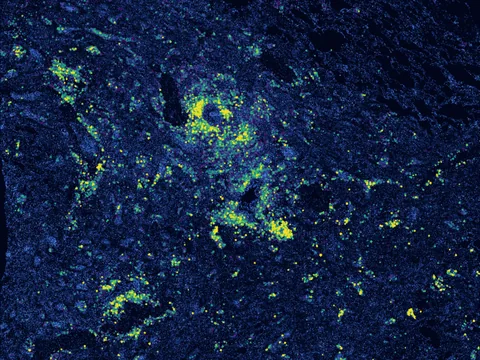 10x Xenium