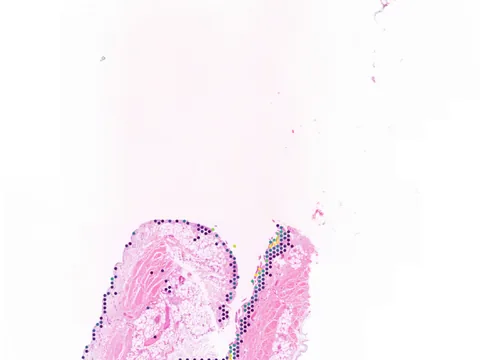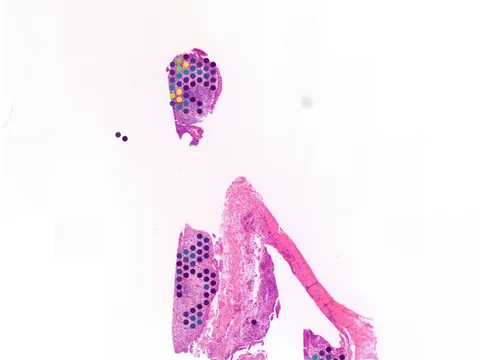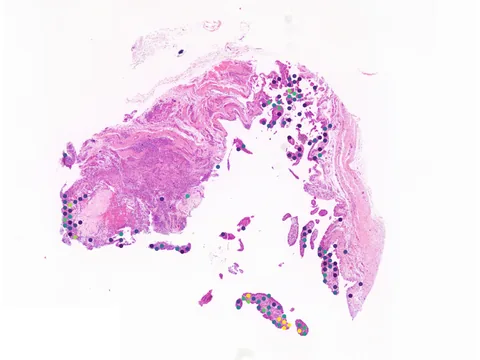
Spatial multi-omics identifies rheumatoid arthritis synovial niches and de-novo laminar histological patterns of fibroblasts subtypes
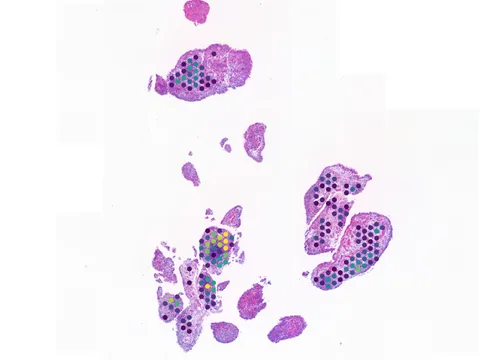
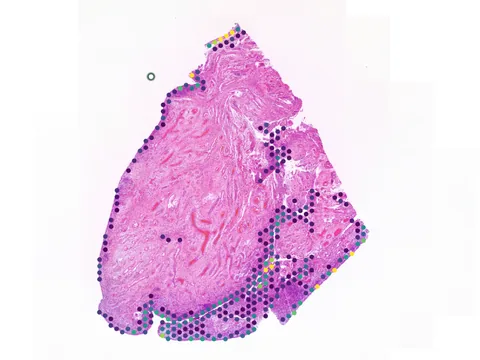
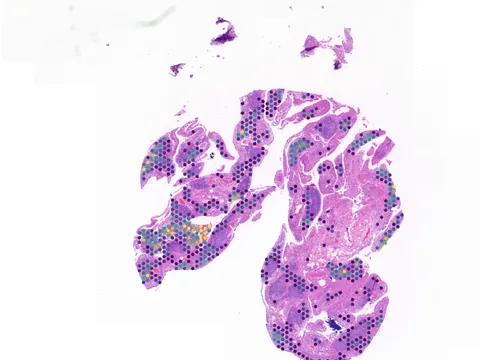
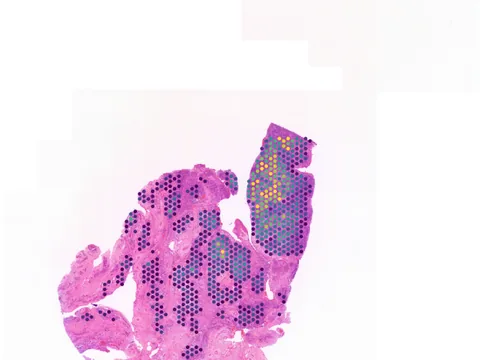
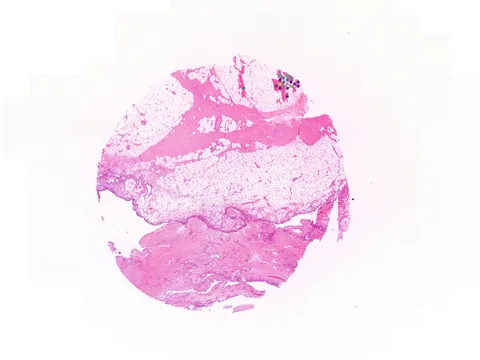
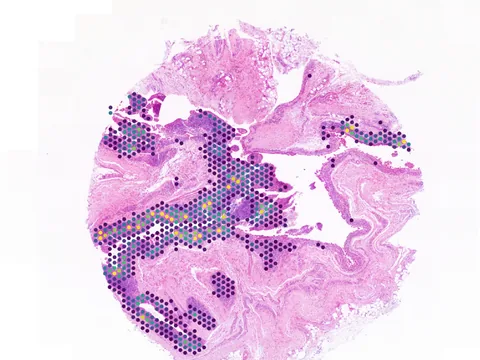
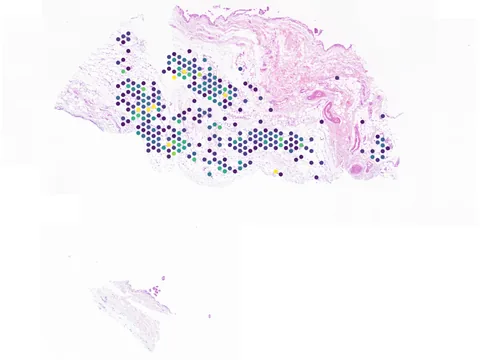
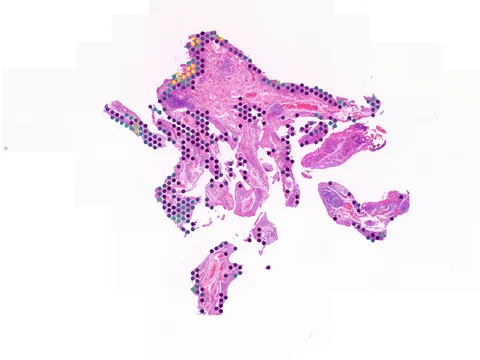
Introduction: Spatial-omic technologies provide insight into molecular and spatial cellular relationships within tissue. In rheumatoid arthritis (RA), significant advances have been made with single cell RNA sequencing and low-resolution spatial transcriptomics. However, few studies have attained single cell spatial resolution to understand the complex synovial environment. Methods: The present spatial-omics technical work integrates single cell and bulk spatial transcriptomics (CosMx and Xenium, and Visium, respectively) as well as spatial LC/MS proteomics and a four-plex immunohistochemical protein panel in the histological evaluation of a non-clinical cohort of six RA, three OA and three healthy (NH) synovial samples. Additionally, association of histopathological-based observations with Xenium-based spatial computational analyses in all RA arthroscopic synovial biopsies advance the understanding of spatial relationships of fibroblasts in RA compared to healthy synovium (NH). Results: Comparisons across technologies demonstrated a prominent level of concordance for cellular composition and microanatomical localization, and highlighted limitations and advantages of single cell spatial analysis with less molecular depth but higher cellular resolution, respectively. A striking finding in the RA synovium is the distinct laminar histological conFigureuration of up to nine fibroblast subtypes encompassing lining and sublining fibroblasts and organization compared to the NH synovium. Additionally in RA, CD74+ and CXCL12+, NOTCH3+ and mural, and POSTN+, DKK3+ and CD34+ fibroblast cluster within lymphoid, vascular, and stromal neighborhoods, respectively. Moreover, ontology pathway analyses implicate specific biological roles to each fibroblast subtype. Conclusion: Altogether this spatial molecular pathology work suggests that in RA, fibroblast subsets expand, transition, and support organized spatially-unique cellular niches with distinct pathophysiological roles.
import lamindb as ln
import spatialdata as sd
coll = ln.Collection.get(key="geo-gse347797")
coll.ordered_artifacts.df() # the 11 members, ordered
# download every member .zarr to the local cache:
paths = [a.cache() for a in coll.ordered_artifacts.all()]
# …or load each straight into memory as a SpatialData object:
sdatas = {a.key: sd.read_zarr(a.cache()) for a in coll.ordered_artifacts.all()} Cite this collection
No linked publication found — please cite the data source.