
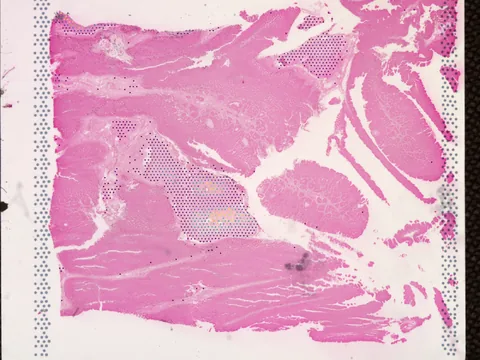
 Visium
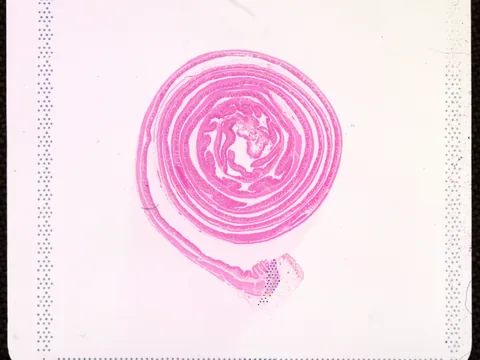
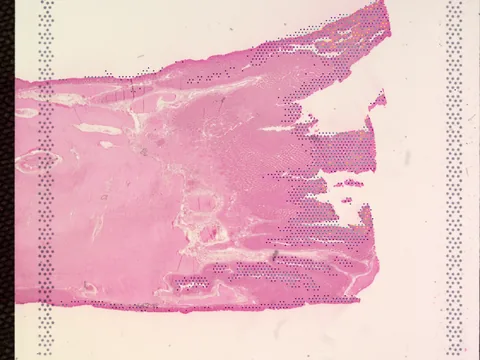
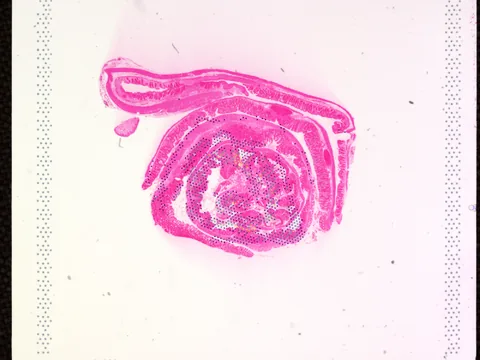
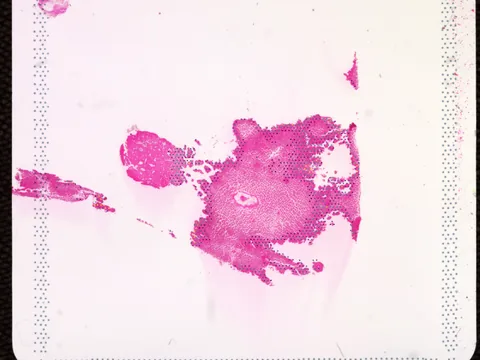
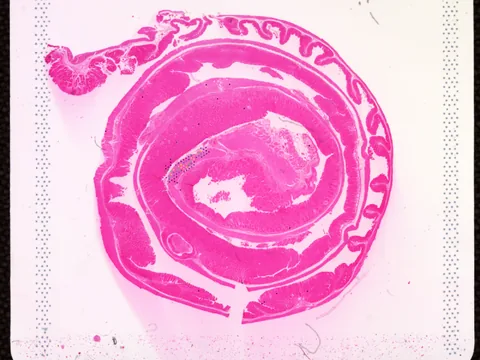
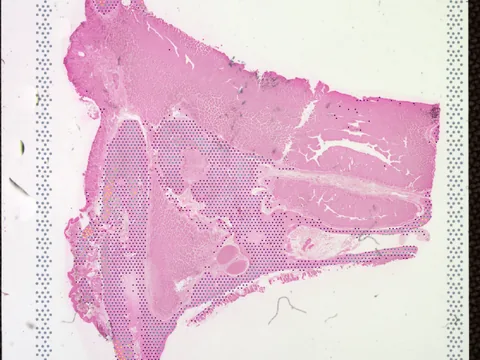
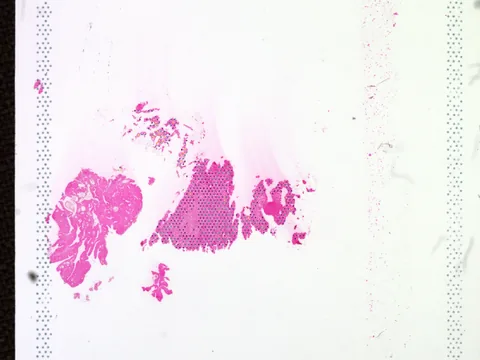
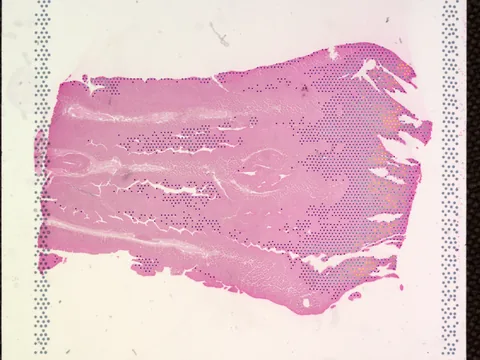
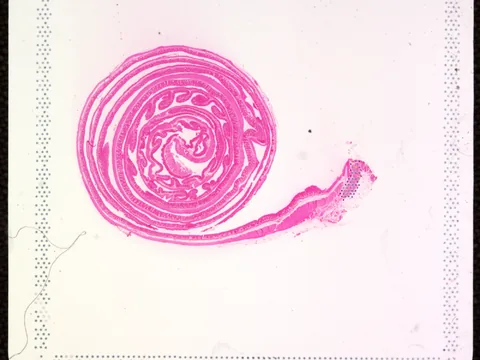
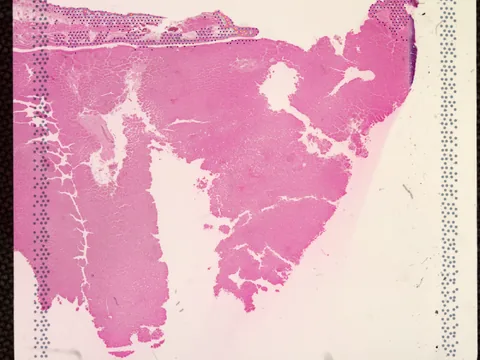
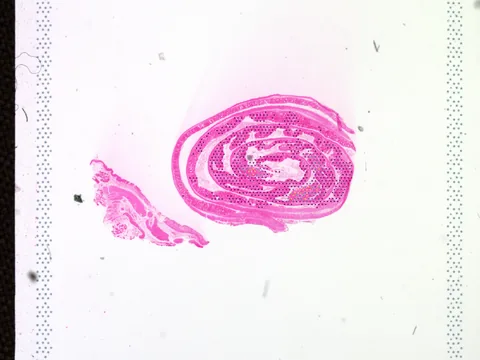
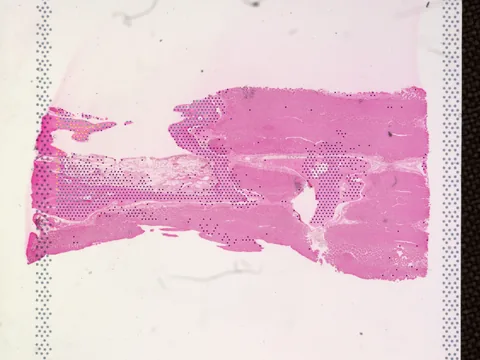
Mouse colon
GSM9779880
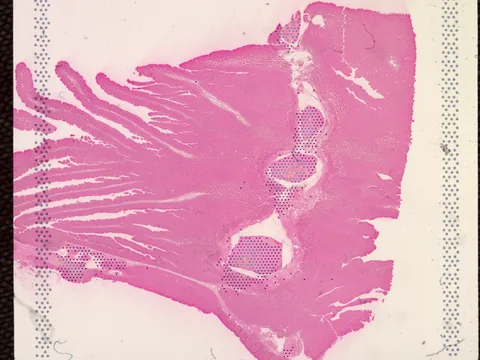
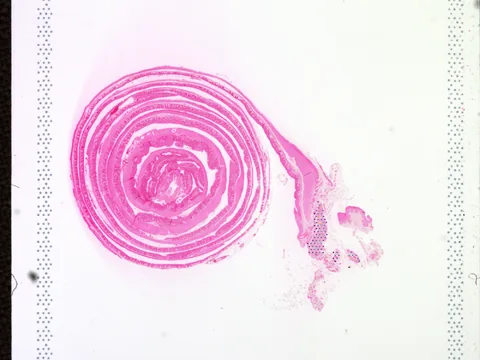
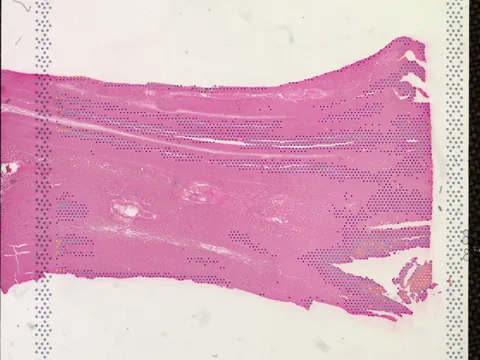
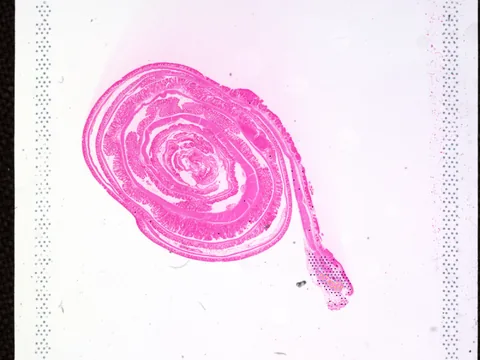
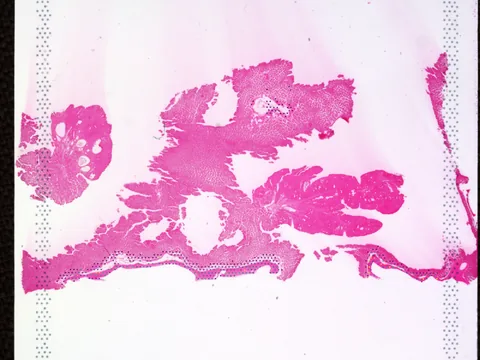
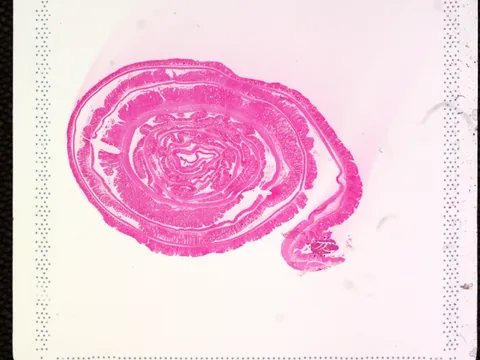
mouse colon colitis 195 MB 9,695 obs silver H&E
TechnologyVisium
Organismmouse
Tissuecolon
Conditioncolitis
Obs9,695
silver H&E
In the progression from Inflammatory Bowel Disease to associated cancer, the clonal mutational landscape shifts from selection of mutations in inflammatory genes to selection for cancer-driver mutations. How prevalence and expansion of either type of mutant clones could be impacted by the cellular environments in which they arise, and how this affects the neoplastic outcome of colitis, remains unknown. Here, we combine in vivo lineage tracing, in silico modelling, mutational profiling and spatial transcriptomics in a mouse model of colitis-associated tumorigenesis to capture clone fates associated with chronic inflammation. We identify epithelial- and immune-enriched neighbourhoods and propose a model in which establishment of a reparative tissue environment facilitates tumour initiation by promoting the selection and expansion of pro-oncogenic clones, reducing the span of inflammation-resistant neighbourhoods containing non-oncogenic clones.
import lamindb as ln
import spatialdata as sd

coll = ln.Collection.get(key="geo-gse334067")
coll.ordered_artifacts.df()                 # the 32 members, ordered

# download every member .zarr to the local cache:
paths = [a.cache() for a in coll.ordered_artifacts.all()]

# …or load each straight into memory as a SpatialData object:
sdatas = {a.key: sd.read_zarr(a.cache()) for a in coll.ordered_artifacts.all()}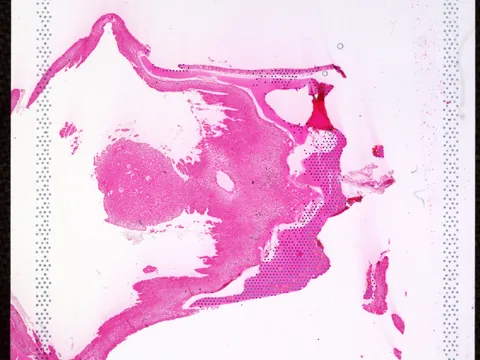 Visium
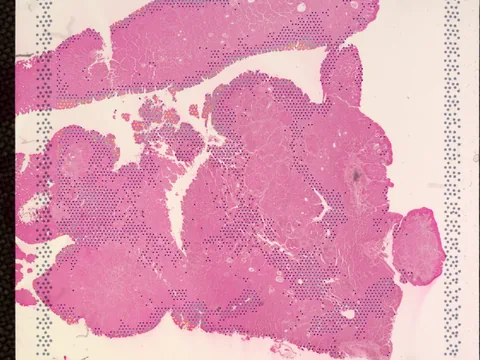 Visium
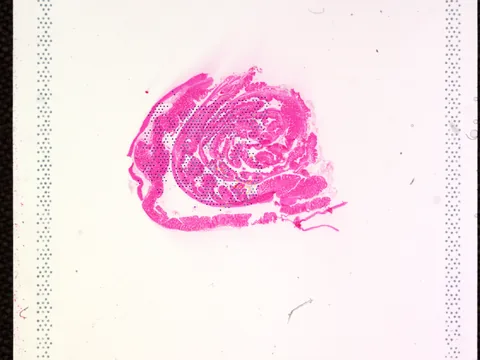 Visium
 Visium
 Visium
 Visium
 Visium
 Visium
 Visium
 Visium
 Visium
 Visium
 Visium
 Visium
 Visium
 Visium
 Visium
 Visium
 Visium
 Visium
 Visium
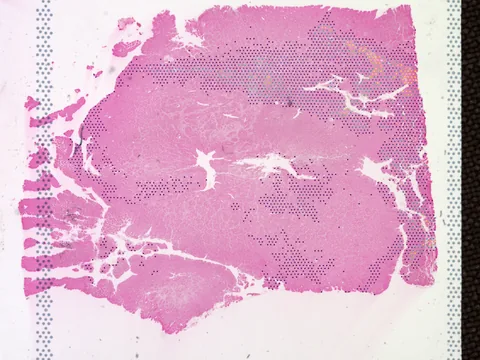 Visium
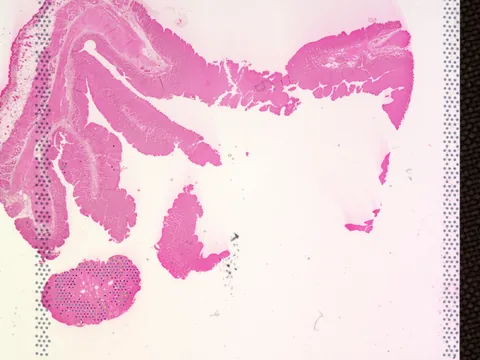 Visium
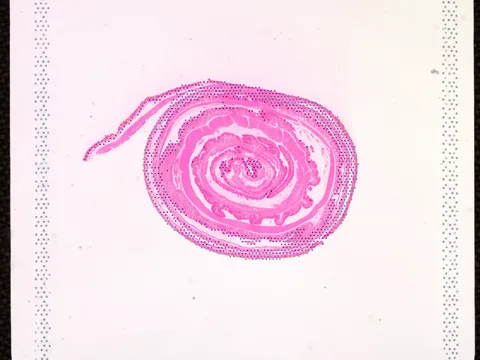 Visium
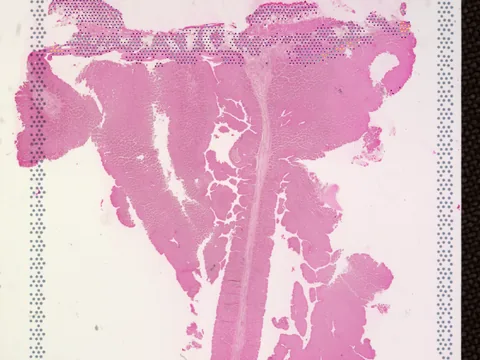 Visium
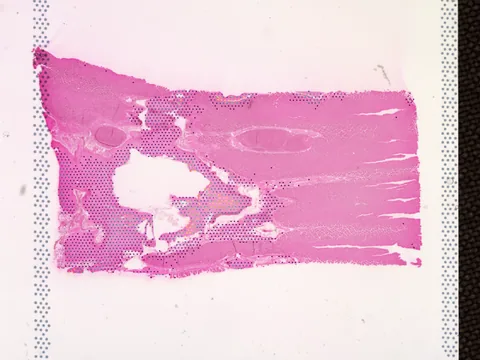 Visium
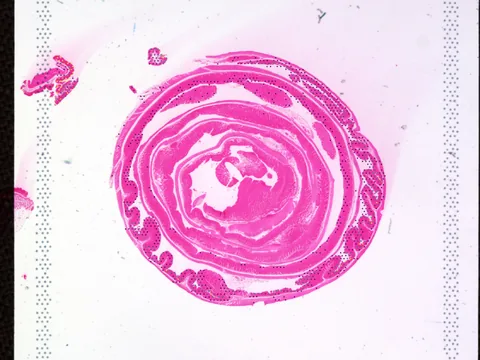 Visium
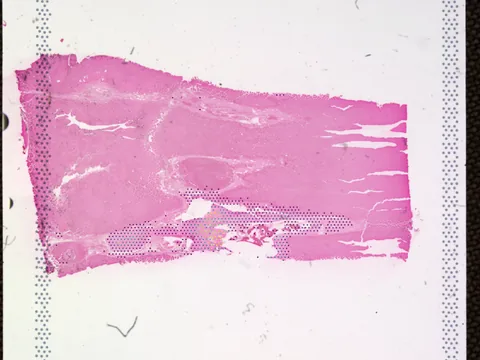 Visium
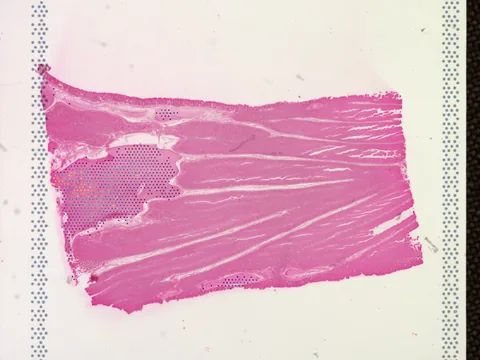 Visium
 Visium
 Visium
No linked publication found — please cite the data source.