Targeting JAK1/3-STAT1 signaling attenuates cytotoxic T lymphocytes activation for the treatment in Stevens-Johnson syndrome and toxic epidermal necrolysis
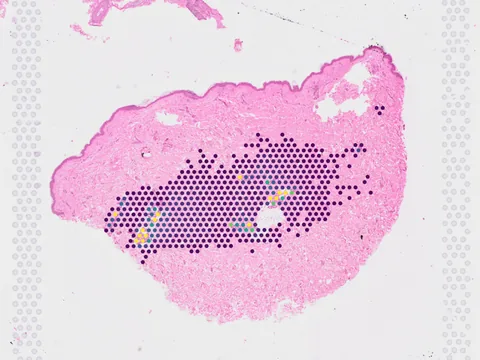
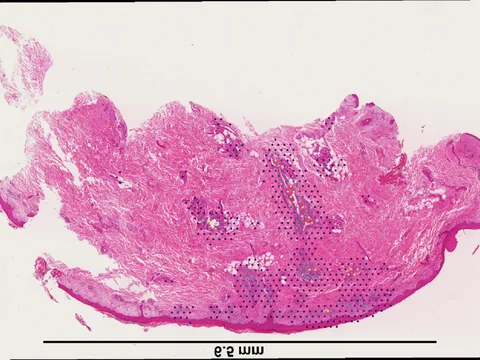
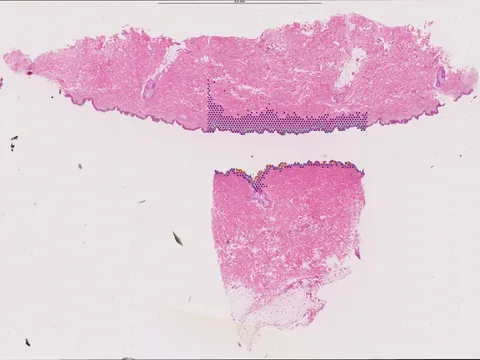
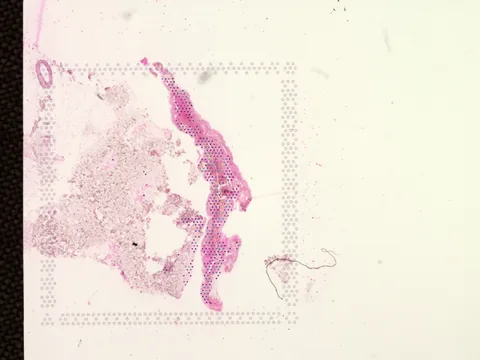
Stevens-Johnson syndrome (SJS) and toxic epidermal necrolysis (TEN) are life-threatening severe cutaneous adverse reactions (SCARs). We integrate single-cell and spatial transcriptomic analyses on blood, blisters, and lesional skin from SJS/TEN patients, revealing IFN-γ and JAK/STAT signaling as the key pathways responsible for driving epidermal necrolysis. We identify JAK1/3–STAT1 signaling as a primary driver of the activation of CD8+ cytotoxic T lymphocytes (CTLs), natural killer (NK)/NKT cells, macrophages and conventional dendritic cells in skin lesions. The high proportion of cytotoxic protein (granulysin and granzyme B)–expressing CD8+ CTLs in SJS/TEN blisters is associated with STAT1 phosphorylation. Immunostaining and ex vivo blocking assays further confirm the potential for the JAK1/3 inhibitor to attenuate CD8+ CTL activation in SJS/TEN. We conduct a proof-of-concept clinical trial in 20 patients with SJS/TEN (ClinicalTrials.gov: NCT06474078), and find that the JAK1/3 inhibitor tofacitinib improves clinical outcomes by reducing skin-healing time with no observed mortality. Our study provides an effective and alternative mechanism-based therapeutic approach for SJS/TEN.
import lamindb as ln
import spatialdata as sd
coll = ln.Collection.get(key="geo-gse333617")
coll.ordered_artifacts.df() # the 4 members, ordered
# download every member .zarr to the local cache:
paths = [a.cache() for a in coll.ordered_artifacts.all()]
# …or load each straight into memory as a SpatialData object:
sdatas = {a.key: sd.read_zarr(a.cache()) for a in coll.ordered_artifacts.all()} Cite this collection
No linked publication found — please cite the data source.