
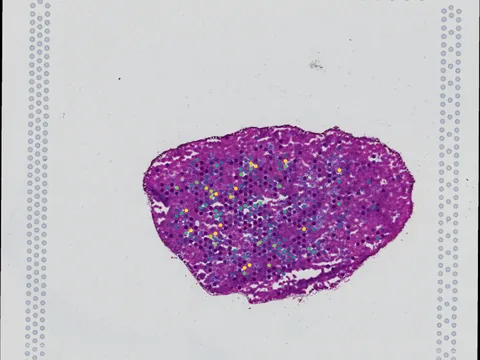
 Visium
Mouse kidney
GSM9580200
mouse kidney diabetic kidney disease 20 MB 1,306 obs bronze H&E
TechnologyVisium
Organismmouse
Tissuekidney
Conditiondiabetic kidney disease
Obs1,306
bronze H&E
Diabetic kidney disease (DKD) is driven by complex pathological mechanisms including lipid accumulation, chronic inflammation, and fibrosis, contributing to progressive renal dysfunction. Macrophages are key contributors to DKD pathogenesis, yet their functional heterogeneity in the diabetic kidney remains poorly defined. While TREM2+ macrophages have been identified within the diabetic microenvironment, the relationship between their developmental origin, anatomical localization, and functional specialization remains unclear. In this study, we integrated single cell-RNA sequencing, spatial transcriptomic in the diabetic OVE26 model, and reciprocal bone marrow transplantation in a high-fat diet/streptozotocin-induced diabetic model to dissect the lineage-specific roles of TREM2. Global TREM2 deficiency markedly exacerbated tubulointerstitial injury and glomerular hypertrophy in DKD, establishing TREM2 as a protective factor. Single-cell RNA sequencing and spatial mapping revealed that TREM2 induction in diabetic kidneys occurs in two spatially distinct macrophage populations: Mrc1⁺ kidney-resident macrophages (KRM) localized to the periglomerular niche, and Ccr2⁺ monocyte-derived macrophages (MDM) infiltrating the tubulointerstitium. Mechanistically, TREM2 acts as a key transcriptional regulator of phagocytic function. Its loss led to the downregulation of phagosome and endocytic pathways, resulting in failed clearance of apoptotic debris and lipid aggregates, which was particularly pronounced in the tubulointerstitium. Reciprocal bone marrow transplant experiments demonstrated that TREM2 in KRMs was more involved in maintaining normal glomerular structure, whereas TREM2 in MDM was required to limit tubular lipid accumulation and clear apoptotic tubular epithelial cells. These findings suggest that the ontogeny of TREM2 macrophages dictates their specific anatomical sites of action and functional roles for conferring renoprotection in DKD.
import lamindb as ln
import spatialdata as sd

coll = ln.Collection.get(key="geo-gse324612")
coll.ordered_artifacts.df()                 # the 4 members, ordered

# download every member .zarr to the local cache:
paths = [a.cache() for a in coll.ordered_artifacts.all()]

# …or load each straight into memory as a SpatialData object:
sdatas = {a.key: sd.read_zarr(a.cache()) for a in coll.ordered_artifacts.all()}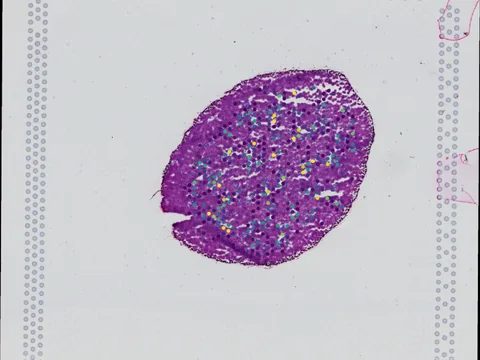 Visium
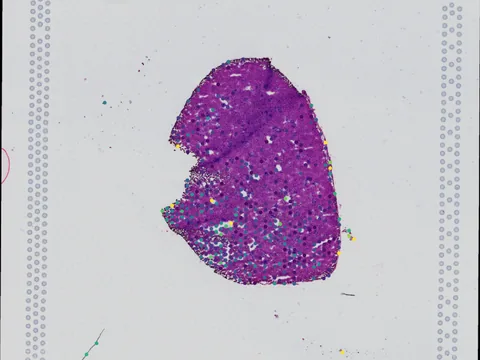 Visium
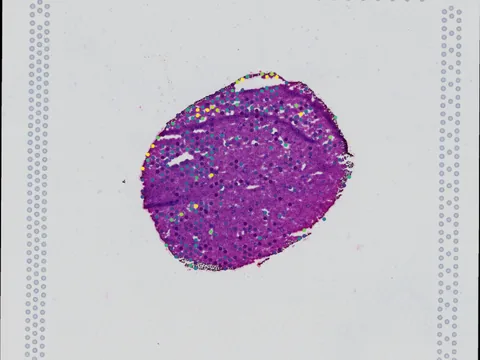 Visium
No linked publication found — please cite the data source.