Collections / Neoadjuvant modified FOLFIRINOX plus nivolumab in borderline-resectable pancreatic ductal adenocarcinoma: a pilot phase 1 trial
Neoadjuvant modified FOLFIRINOX plus nivolumab in borderline-resectable pancreatic ductal adenocarcinoma: a pilot phase 1 trial
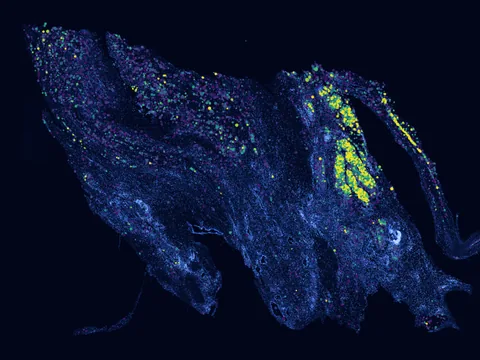
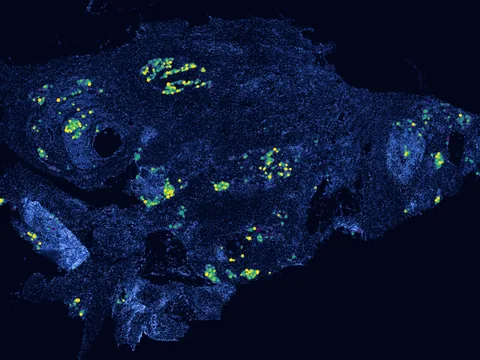
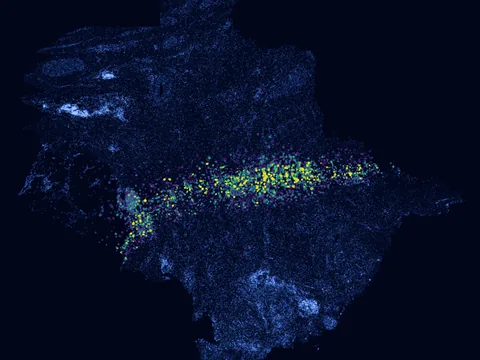
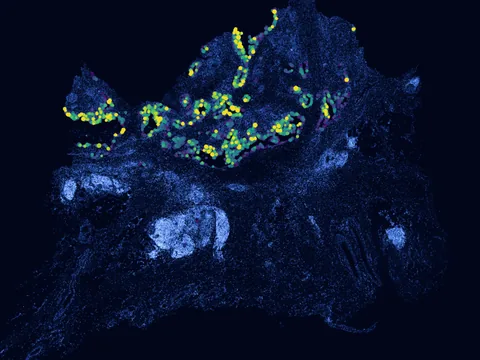
Combination therapies of chemotherapy and immune checkpoint inhibitors have failed to improve survival in pancreatic ductal adenocarcinoma (PDAC), except in rare MSI-H cases, despite their success in other solid tumors. Most prior studies have been conducted in advanced disease. Here, we present clinical, pathologic, and translational results from a phase 1b/2 investigator-initiated study evaluating neoadjuvant modified FOLFIRINOX (mFFX) plus nivolumab in patients with borderline-resectable (BR) PDAC. Among 28 patients enrolled, 22 (79%) proceeded to surgery. Treatment was well tolerated with no significant delays or surgical complications, meeting the primary endpoint. Among patients who underwent surgical resection, median disease-free survival was 19.7 months, median progression-free survival was 26 months (95% CI: 14.7-34.3) and median overall survival was 38 months (95% CI: 27.9-not reached). The regimen demonstrated an acceptable safety profile, with all Grade 3-4 treatment-related adverse events due to chemotherapy and no Grade 3 immune related adverse events observed. Treatment effects were assessed using paired pre- and post-treatment samples and by comparing post-treatment tumors from the nivolumab cohort to historical BR mFFX-only controls. In paired analyses, intra-tumoral CD8 T cells and plasma cells increased together; in between-group comparisons, plasma cells were significantly higher in the nivolumab cohort, with a modest CD8 T cell increase. Immunohistochemistry revealed that plasma cell abundance correlated with dense intra-tumoral lymphoid aggregates lacking germinal center-like morphology, a pattern consistent with extrafollicular B cell differentiation. Single-cell spatial transcriptomics identified irregular lymphoid aggregates with high plasma cell to B cell ratios that were enriched for terminally exhausted CD8 T cells and de-enriched for progenitor exhausted CD8 T cells and central memory CD4 T cells. Together, these findings implicate intra-tumoral LA disorganization and skewed T cell subsets as complementary features associated with limited efficacy of PD-1-based chemoimmunotherapy in PDAC. (Clinicaltrials.gov identifier: NCT03970252).
import lamindb as ln
import spatialdata as sd

coll = ln.Collection.get(key="geo-gse313662")
coll.ordered_artifacts.df()                 # the 6 members, ordered

# download every member .zarr to the local cache:
paths = [a.cache() for a in coll.ordered_artifacts.all()]

# …or load each straight into memory as a SpatialData object:
sdatas = {a.key: sd.read_zarr(a.cache()) for a in coll.ordered_artifacts.all()}
About the study
Neoadjuvant modified FOLFIRINOX plus nivolumab in borderline-resectable pancreatic ductal adenocarcinoma: a pilot phase 1 trial.
Chemotherapy and immune checkpoint inhibitor combinations have failed to improve survival in pancreatic ductal adenocarcinoma (PDAC), except in rare microsatellite instability-high cases; most studies focused on advanced disease. Here, we present clinical and translational results from a single-arm, prospective phase 1b/2 investigator-initiated study (NCT03970252) evaluating neoadjuvant modified FOLFIRINOX (mFFX) plus nivolumab in patients with borderline-resectable PDAC. The co-primary endpoints of safety and pathological response rate were met, with 22 (79%) of 28 patients proceeding to surgery and no grade ≥3 immune-related adverse events. All grade 3-4 treatment-related adverse events were chemotherapy-related. By CAP scoring, 9% of patients achieved a complete pathologic response, 9% a near-complete response, and 72% a partial response. Secondary endpoints included CA 19-9 response rate, R0 resection rate, objective response rate, and disease-free survival (median 19.7 months, 95% CI: 7.3-30.8). In post-hoc analyses, median progression-free survival was 26 months (95% CI: 14.7-34.3), and median overall survival was 38 months (95% CI: 27.9-not reached). Exploratory gene expression, immunohistochemistry and spatial transcriptomics showed increased intratumoral plasma cells and CD8 T cells in treated patients versus mFFX-only controls, and lymphoid aggregates with high plasma-cell-to-B cell ratios enriched for terminally exhausted CD8 T cells with fewer progenitor exhausted CD8 T cells and central memory CD4 T cells.

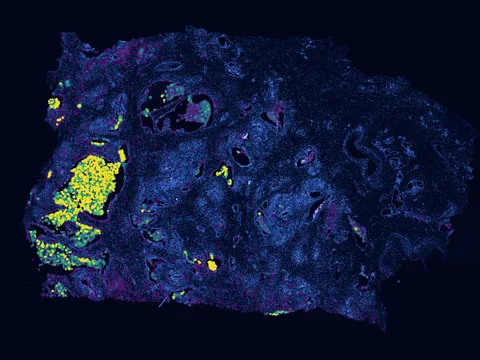 10x Xenium