
 Visium
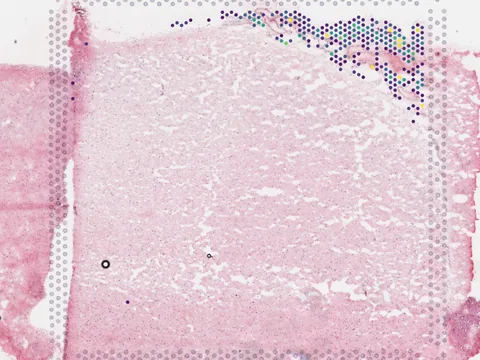
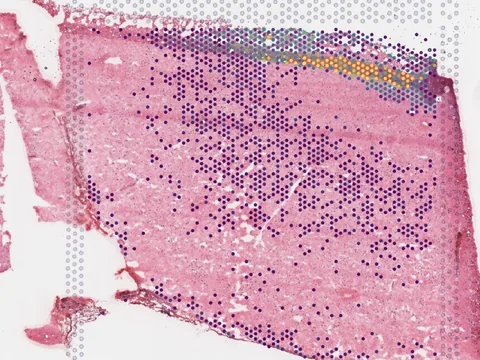
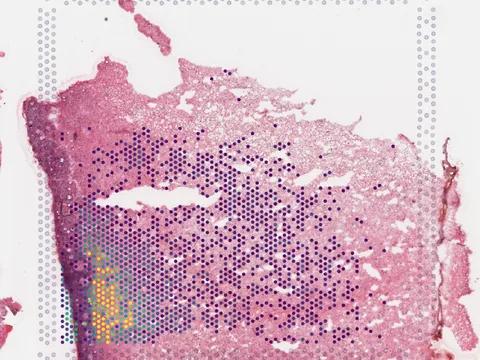
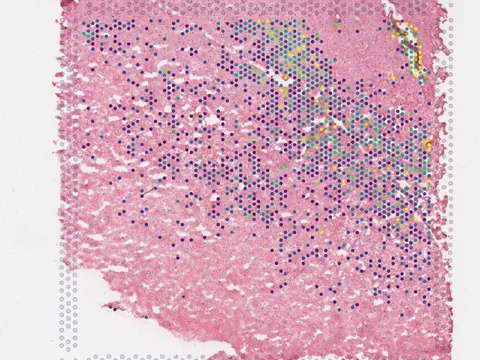
Human entorhinal cortex
GSM9235051
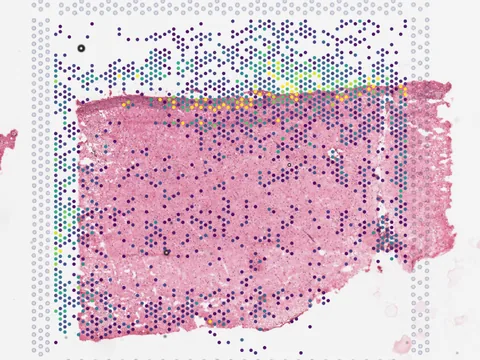
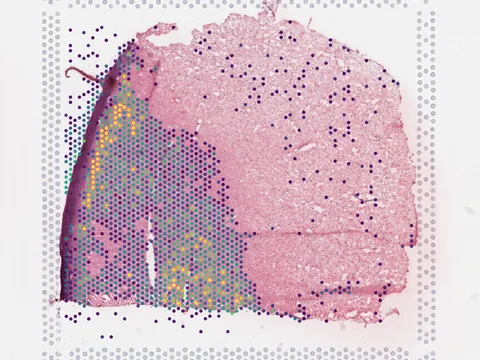
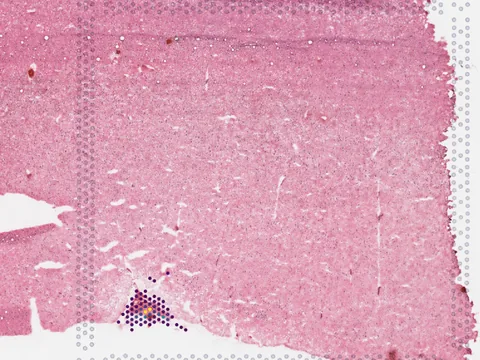
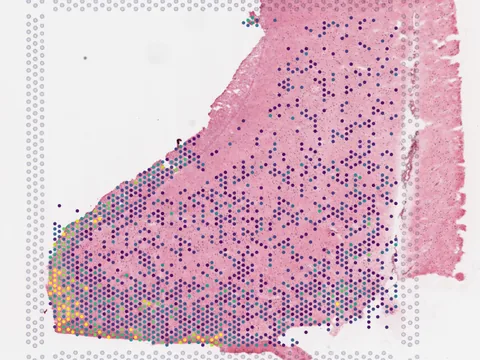
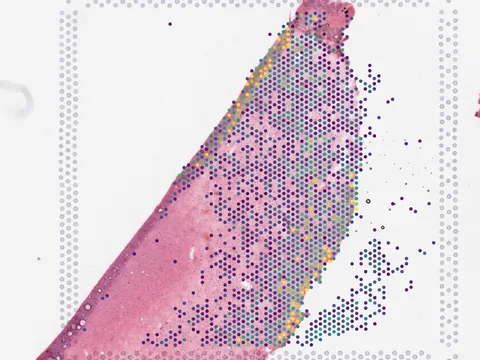
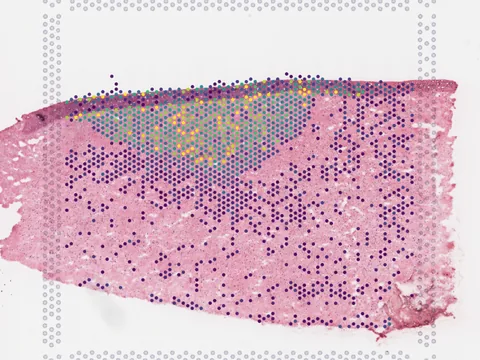
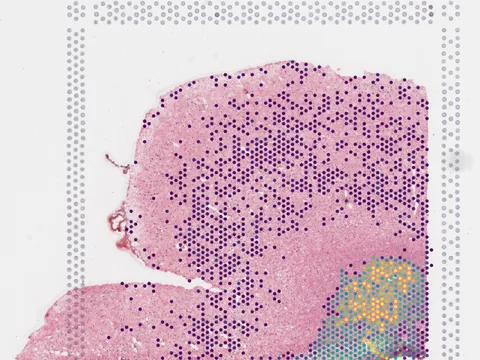
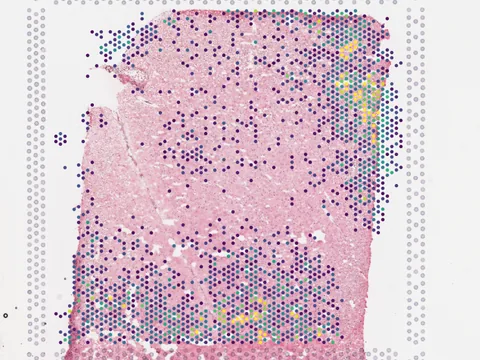
human entorhinal cortex 40 MB 4,992 obs bronze H&E
TechnologyVisium
Organismhuman
Tissueentorhinal cortex
Obs4,992
Magnificationother · 4.186 µm/px
bronze H&E
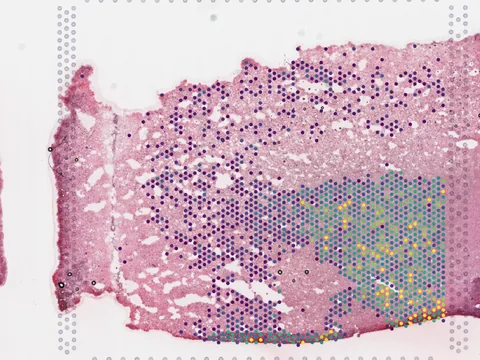
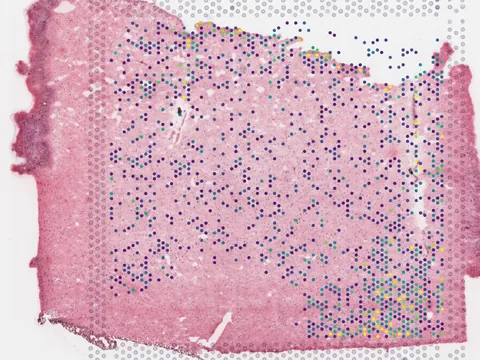
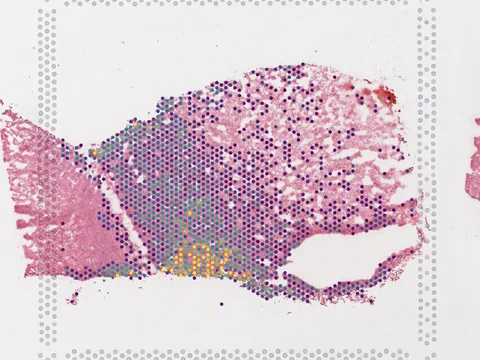
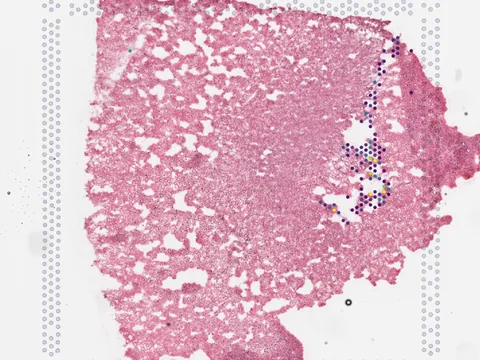
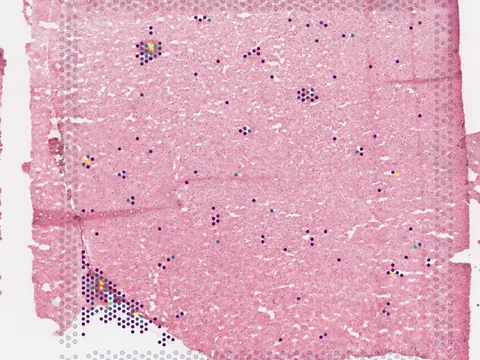
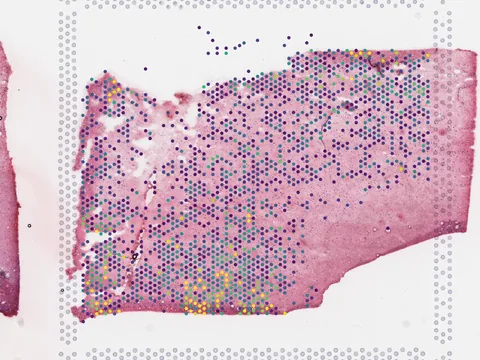
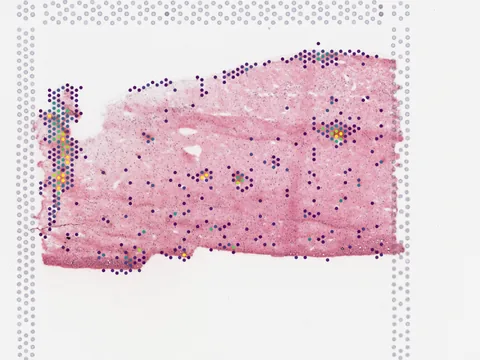
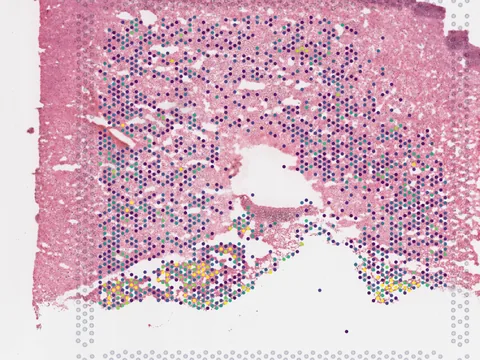
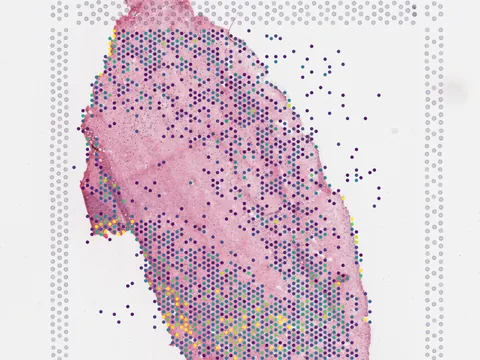
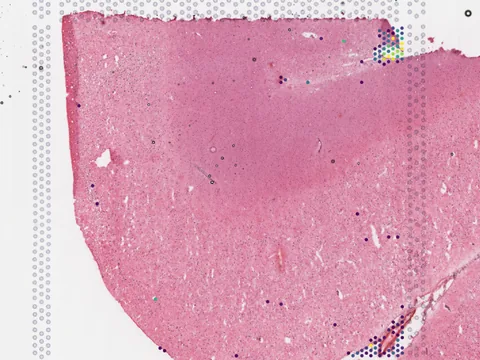
We present the first spatially-resolved transcriptomics and single-nucleus RNA-sequencing integrated dataset from the entorhinal cortex (ERC) of postmortem human brain donors. ERC is implicated in early progression of Alzheimer’s Disease (AD) and we chose this brain region to study gene expression changes associated with AD risk by comparing APOE E2 and E4 allele carriers. Donors with no AD diagnosis or widespread neurodegeneration were exclusively selected. As AD risk is increased in African Ancestry in contrast to European Ancestry backgrounds, and AD risk is also increased in women compared to men, our dataset included donors from these different backgrounds. We identified a pre-myleinating oligodendrocyte sub-cluster with transcriptomic changes strongly associated with APOE E4 carriers. These changes were present in both ancestry backgrounds, although they were more pronounced in African Ancestry donors. To facilitate future studies based on this dataset, we provided the raw and processed data, and created interactive web applications.
import lamindb as ln
import spatialdata as sd

coll = ln.Collection.get(key="geo-gse307990")
coll.ordered_artifacts.df()                 # the 31 members, ordered

# download every member .zarr to the local cache:
paths = [a.cache() for a in coll.ordered_artifacts.all()]

# …or load each straight into memory as a SpatialData object:
sdatas = {a.key: sd.read_zarr(a.cache()) for a in coll.ordered_artifacts.all()}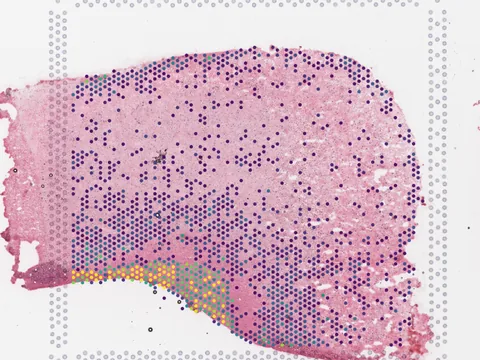 Visium
 Visium
 Visium
 Visium
 Visium
 Visium
 Visium
 Visium
 Visium
 Visium
 Visium
 Visium
 Visium
 Visium
 Visium
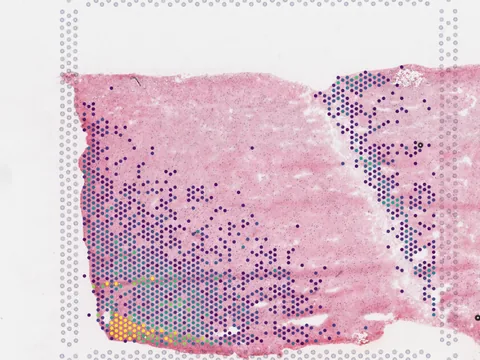 Visium
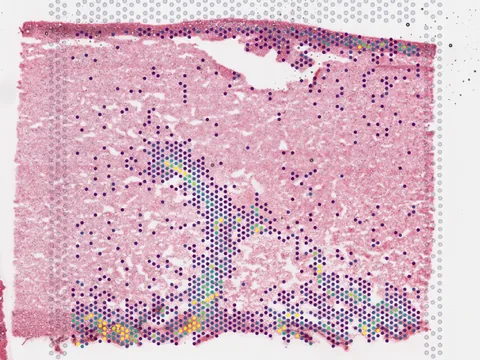 Visium
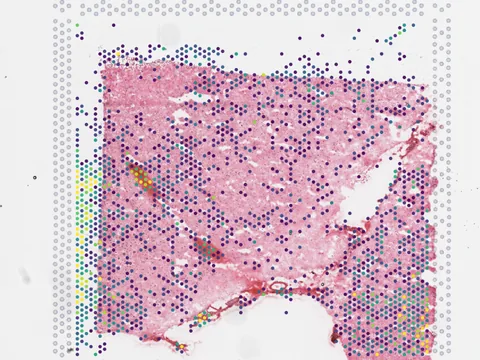 Visium
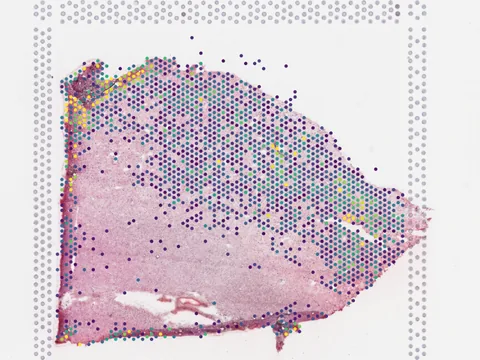 Visium
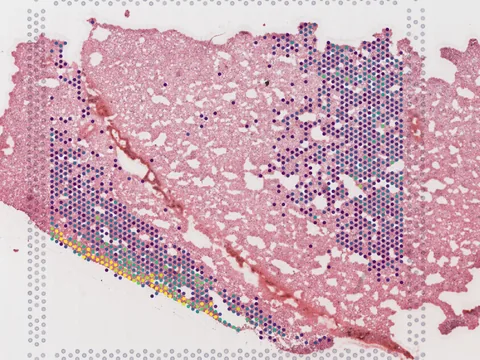 Visium
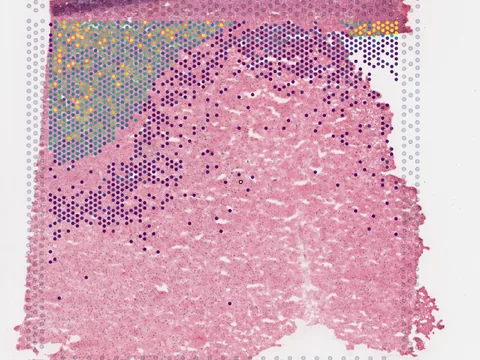 Visium
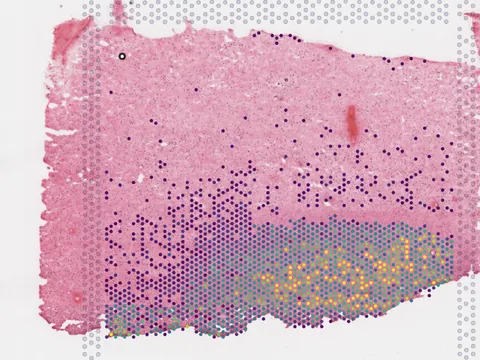 Visium
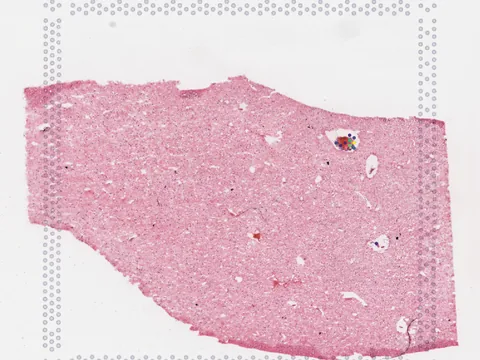 Visium
 Visium
 Visium
 Visium
 Visium
 Visium
 Visium
 Visium
No linked publication found — please cite the data source.