
 Visium HD
Mouse ovary
GSM9229332
mouse ovary 772 MB 178,952 obs silver
TechnologyVisium HD
Organismmouse
Tissueovary
Obs178,952
silver
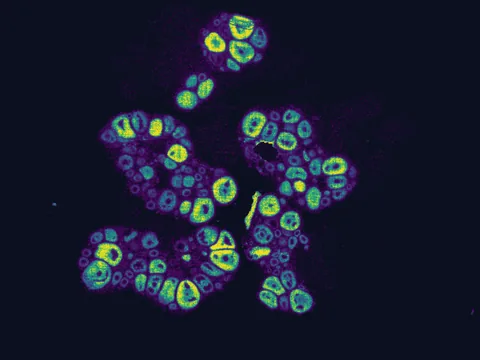
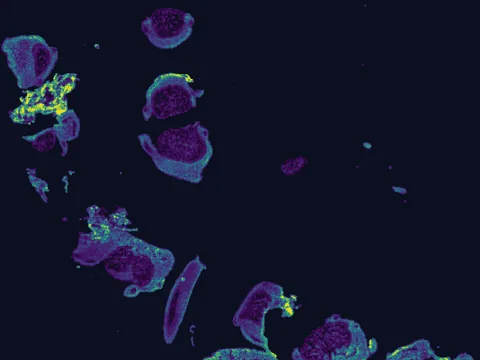
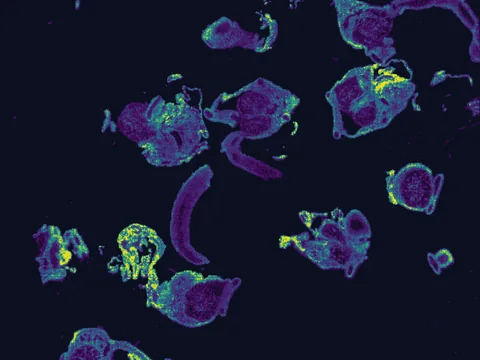
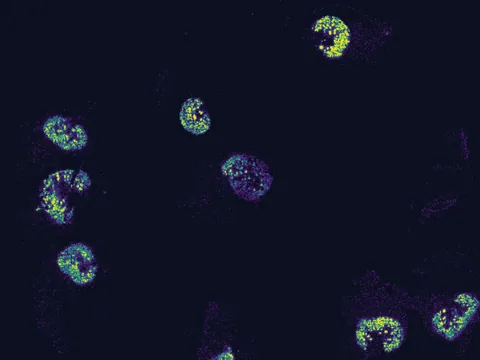
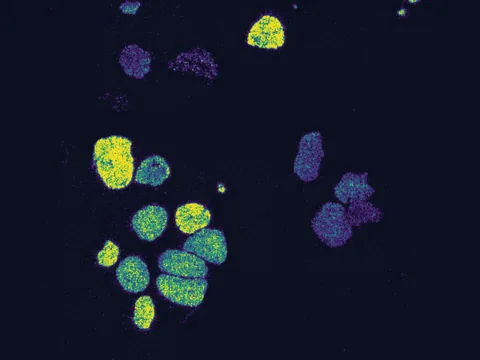
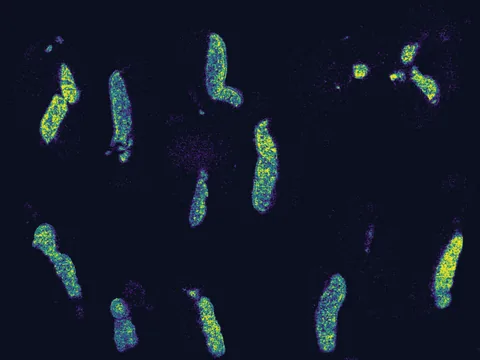
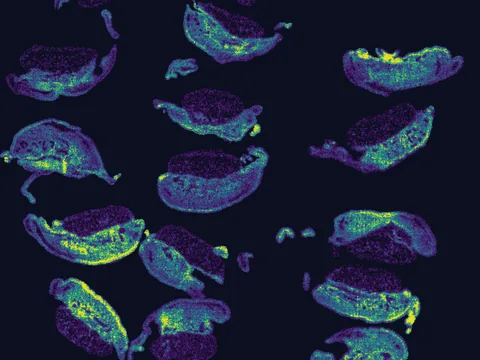
Mammalian ovary development is essential for female fertility, involving the complex spatial patterning of diverse cell types to establish the finite reserve of ovarian follicles. While single-cell transcriptome analyses have provided important insights into the mechanisms driving specification and developmental trajectories of ovarian cells, they disrupt this crucial spatial context. To overcome this limitation, we used 10X Genomics Visium HD spatial transcriptomics to analyze the developing mouse ovary while maintaining its native cellular architecture. We captured all ovarian cell types at eight key fetal and postnatal timepoints, generating a near single cell resolution library of spatial gene expression across ovarian development. This comprehensive dataset allows analysis of dynamic transcriptional signatures associated with unique spatial patterning throughout development, including the establishment of cortex and medulla and assembly of ovarian follicles in each region. This dataset represents a fundamental resource for the investigation of regulatory mechanisms driving spatial patterning of the ovary, and opens new avenues to explore the spatial determinants of female fertility and reproductive longevity.
import lamindb as ln
import spatialdata as sd

coll = ln.Collection.get(key="geo-gse307688")
coll.ordered_artifacts.df()                 # the 8 members, ordered

# download every member .zarr to the local cache:
paths = [a.cache() for a in coll.ordered_artifacts.all()]

# …or load each straight into memory as a SpatialData object:
sdatas = {a.key: sd.read_zarr(a.cache()) for a in coll.ordered_artifacts.all()}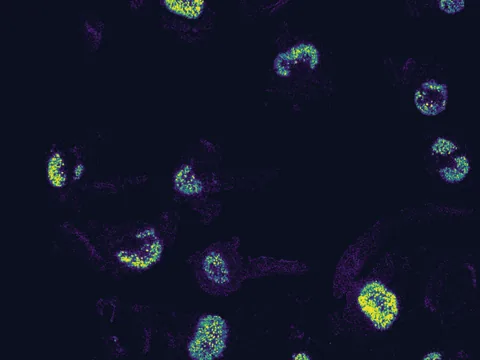 Visium HD
 Visium HD
 Visium HD
 Visium HD
 Visium HD
 Visium HD
 Visium HD
No linked publication found — please cite the data source.