
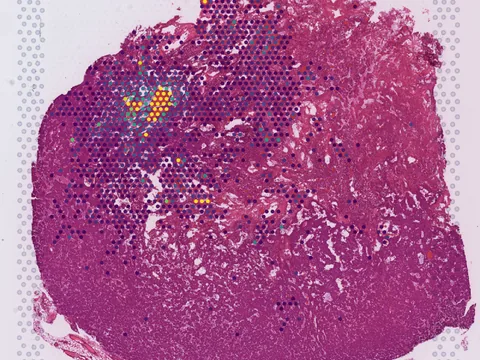
 Visium
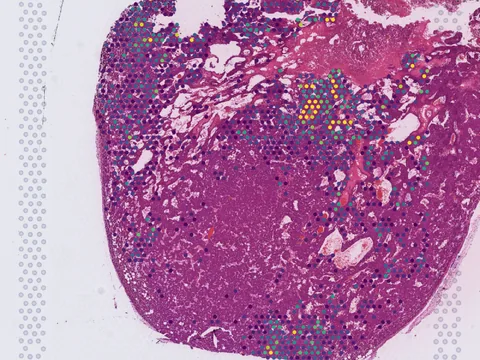
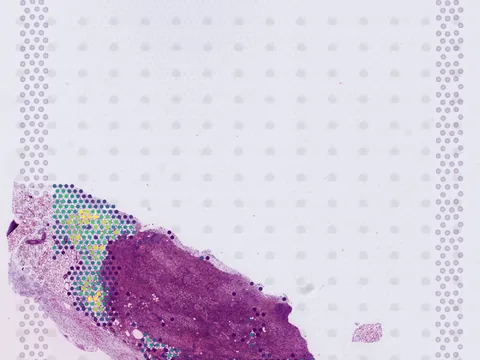
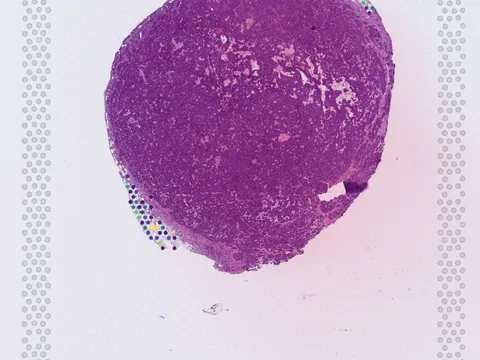
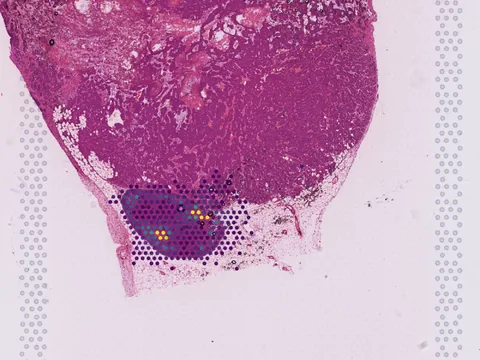
Mouse breast
GSM9042332
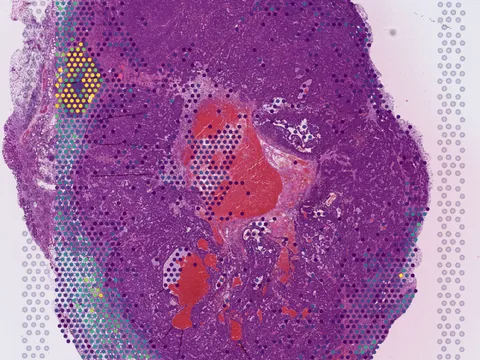
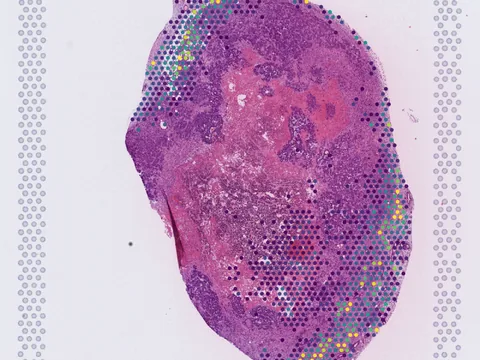
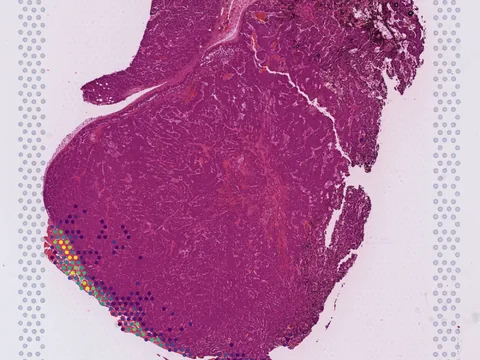
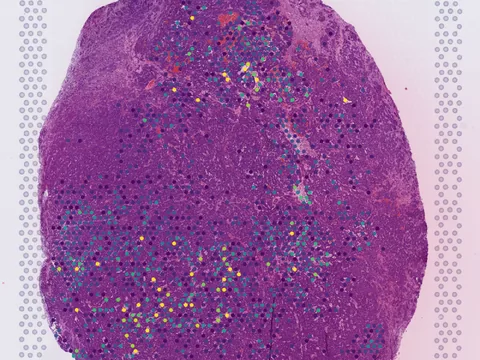
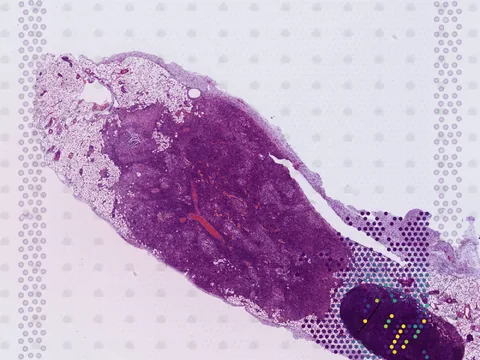
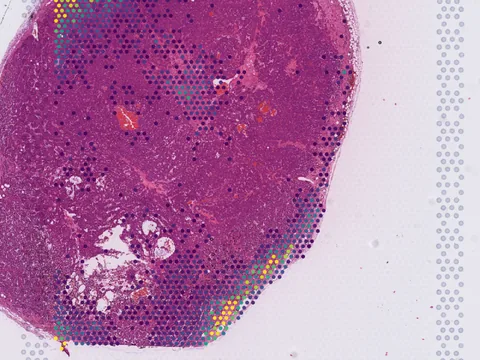
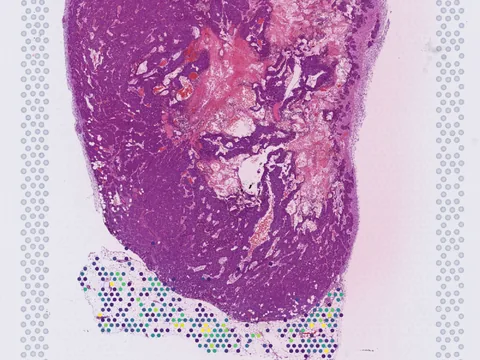
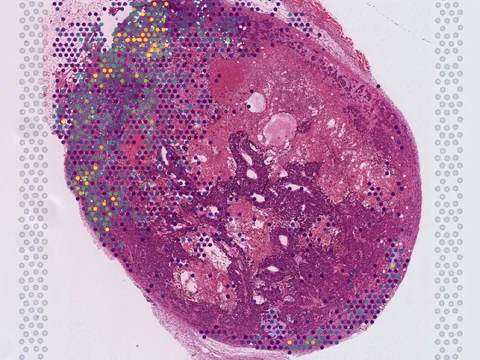
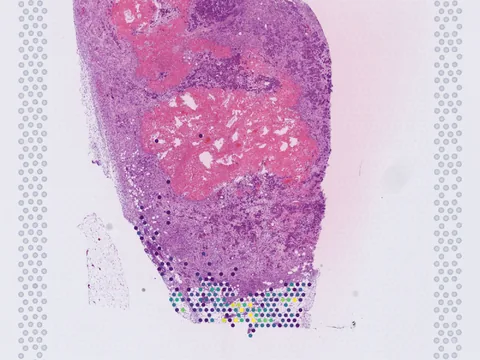
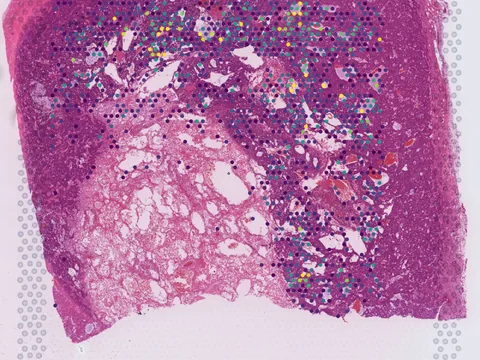
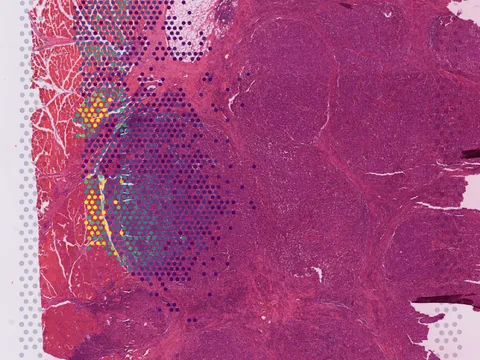
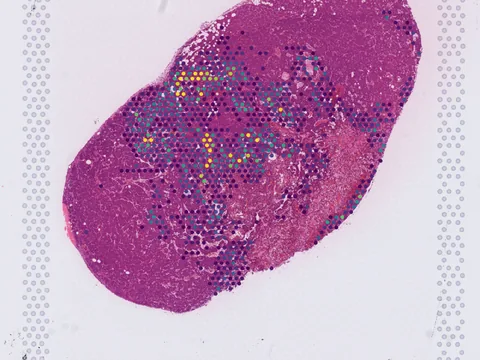
mouse breast breast carcinoma 71 MB 4,382 obs silver H&E
TechnologyVisium
Organismmouse
Tissuebreast
Conditionbreast carcinoma
Obs4,382
Magnificationother · 3.448 µm/px
silver H&E
Breast cancer remains one of the prominent causes of death worldwide. Although chemotherapeutic agents often result in substantial reduction of primary or metastatic tumors, remaining drug-tolerant tumor cell populations, known as minimal residual disease (MRD), pose a significant risk of recurrence and therapy resistance. In this study, we describe the spatiotemporal organisation of therapy response and MRD in BRCA1;p53-deficient mouse mammary tumors and human clinical samples using a multimodal approach. By integrating single-cell RNA sequencing, spatial transcriptomics, and imaging mass cytometry across multiple treatment timepoints, we characterise dynamic interactions between tumor cell subpopulations and their surrounding microenvironment. Our analysis identifies a distinct, drug-tolerant epithelial-mesenchymal transition (EMT) cancer cell population, which exhibits a conserved expression program in human BRCA1-deficient tumors and significantly correlates with adverse clinical outcomes. We further reveal the spatial distribution of residual EMT-like tumor cells within specific anatomical niches, providing a framework for understanding the persistence of MRD and potential therapeutic vulnerabilities. These findings yield a comprehensive molecular roadmap of MRD, opening new avenues for therapeutic strategies targeting EMT-driven drug tolerance and tumor relapse.
import lamindb as ln
import spatialdata as sd

coll = ln.Collection.get(key="geo-gse299631")
coll.ordered_artifacts.df()                 # the 36 members, ordered

# download every member .zarr to the local cache:
paths = [a.cache() for a in coll.ordered_artifacts.all()]

# …or load each straight into memory as a SpatialData object:
sdatas = {a.key: sd.read_zarr(a.cache()) for a in coll.ordered_artifacts.all()}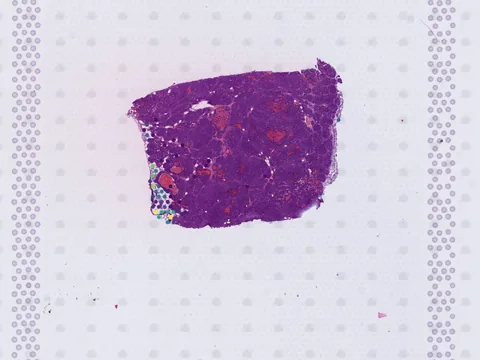 Visium
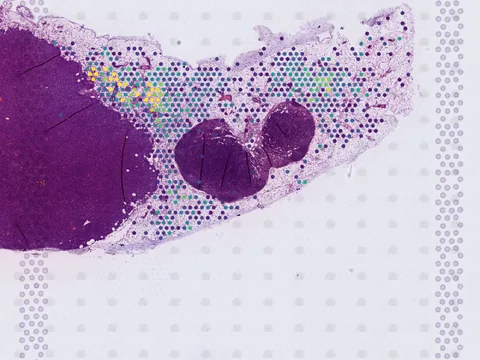 Visium
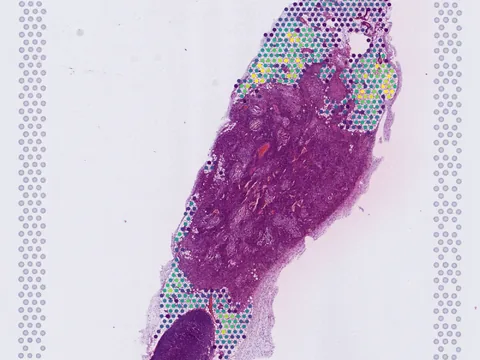 Visium
 Visium
 Visium
 Visium
 Visium
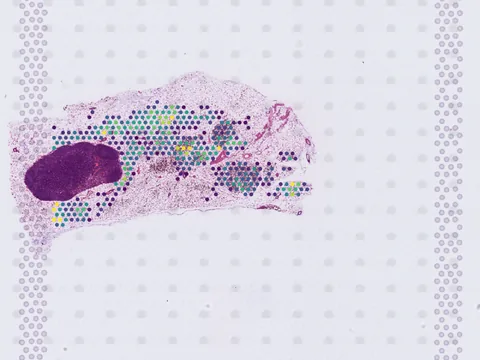 Visium
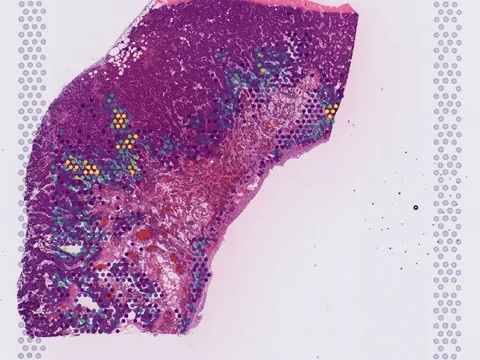 Visium
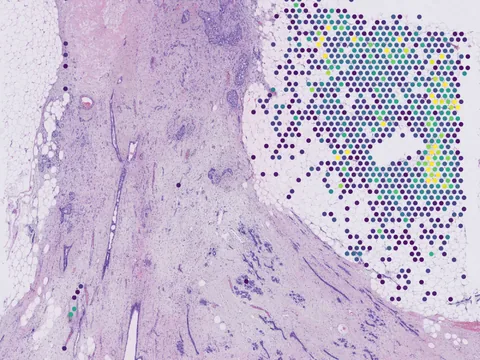 Visium
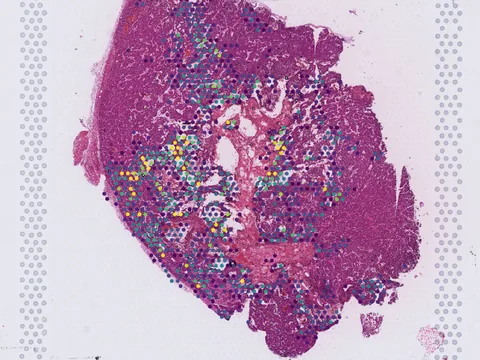 Visium
 Visium
 Visium
 Visium
 Visium
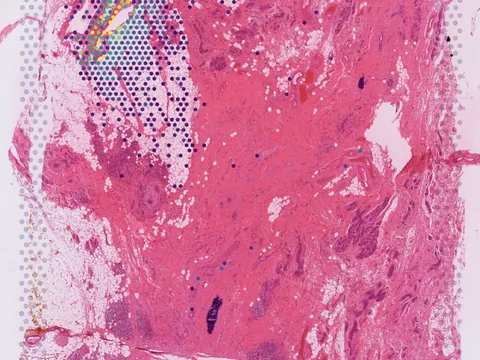 Visium
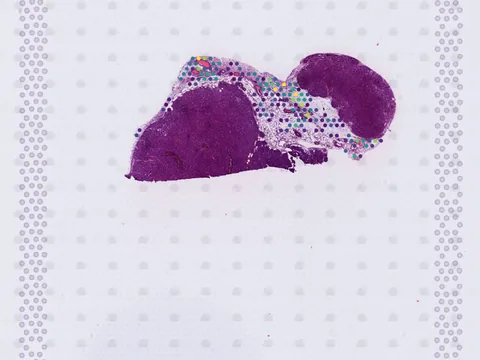 Visium
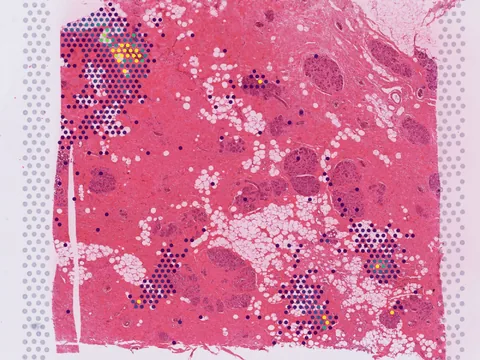 Visium
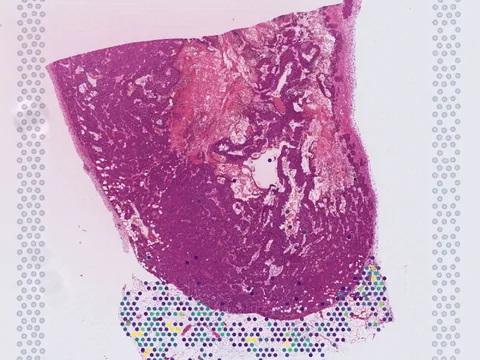 Visium
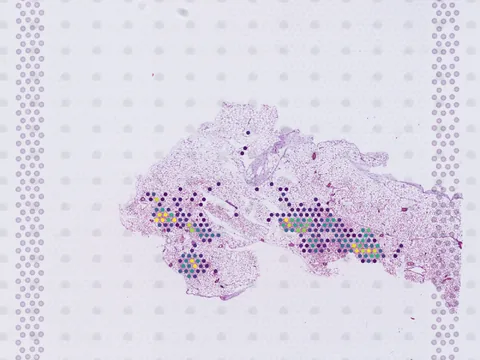 Visium
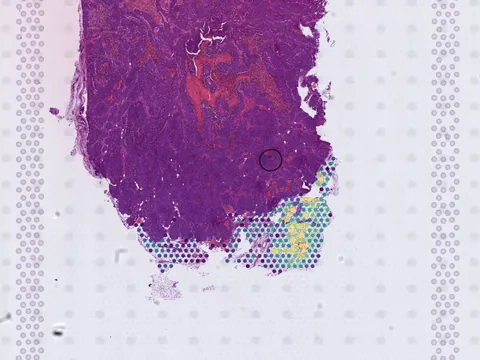 Visium
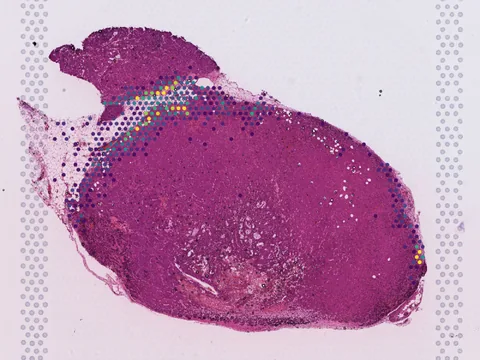 Visium
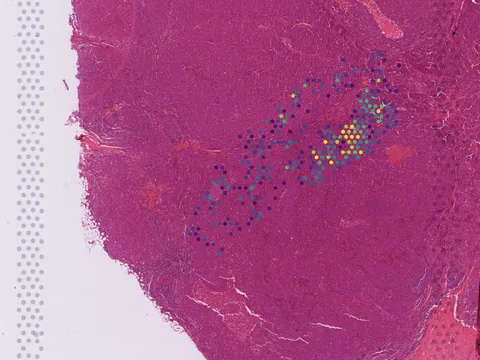 Visium
 Visium
 Visium
 Visium
 Visium
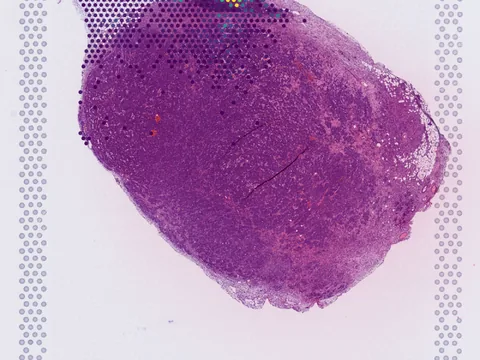 Visium
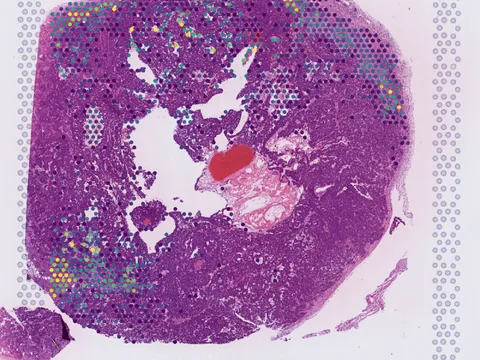 Visium
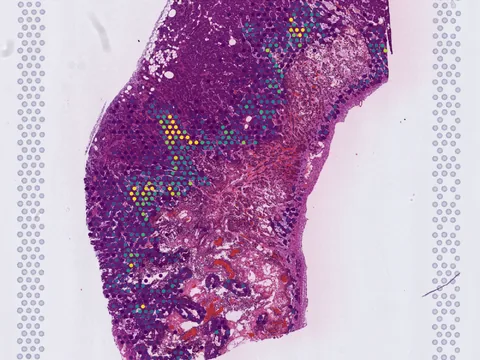 Visium
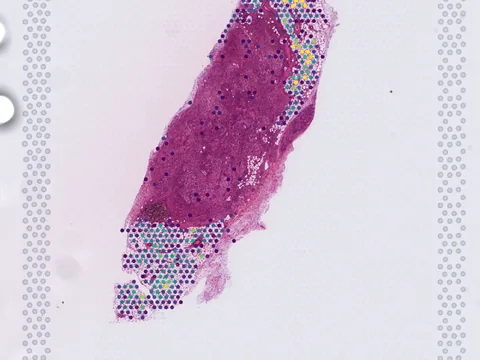 Visium
 Visium
 Visium
 Visium
 Visium
No linked publication found — please cite the data source.