In silico reconstruction of primary and metastatic tumor architecture using GIS-augmented spatial transcriptomics
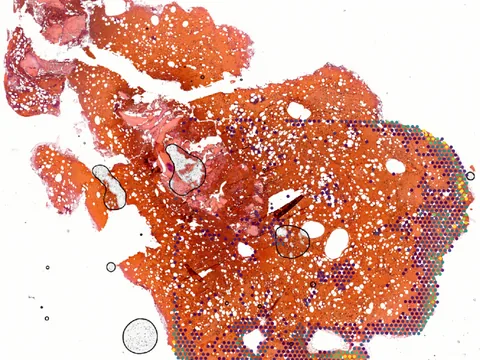
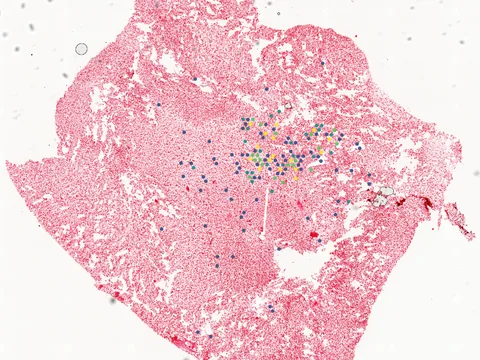
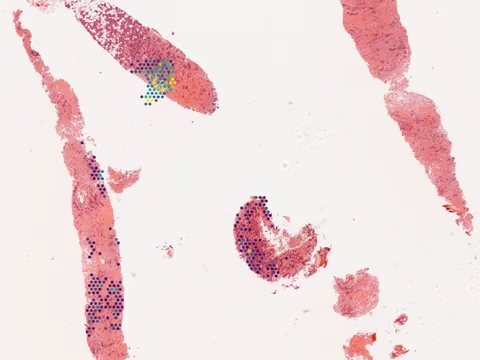
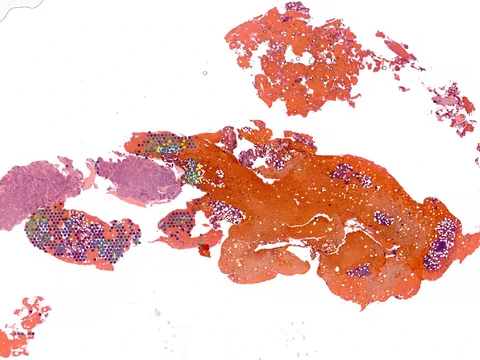
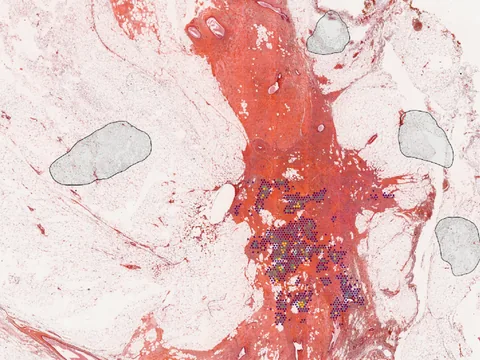
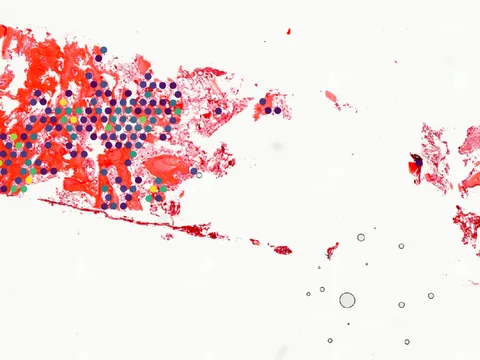
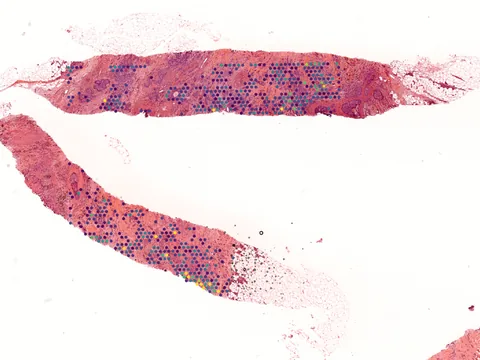
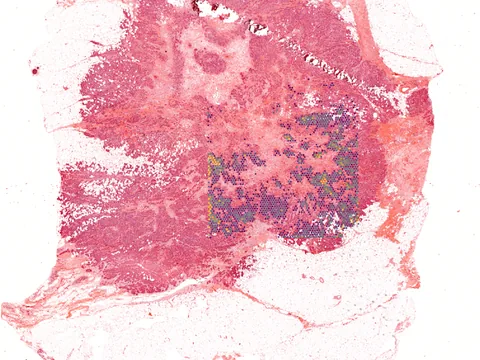
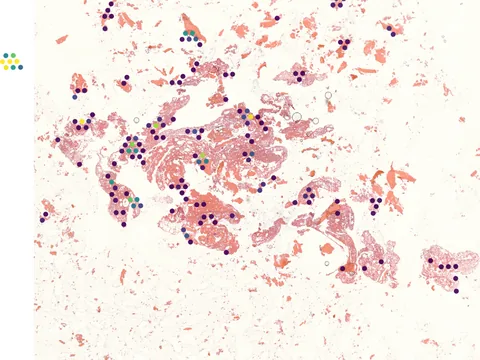
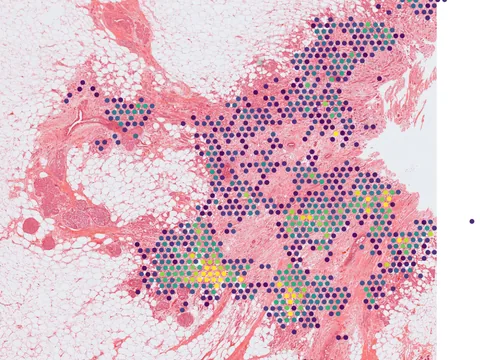
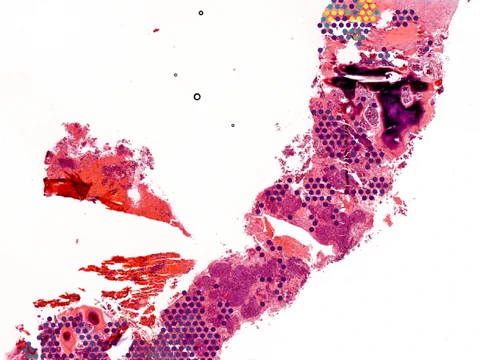
Tumor microenvironment (TME) consists of different cell populations, whose interactions contribute to tumor heterogeneity and therapy response. Spatial transcriptomics (ST) offers valuable insights into spatial complexity and heterogeneity of TME. We established a Python package, Geographic Information System (GIS)-augmented In-Silico Reconstruction of Tumor Architecture (GIS-ROTA), based on application of GIS methods to ST data to examine/explore spatial heterogeneity of co-regulated gene sets, such as pathways and cell types within the TME. In our Visium dataset of primary and metastatic estrogen receptor positive breast tumor samples, GIS-ROTA revealed extensive co-localization of estrogen response with metabolic pathway gene sets and mutual exclusivity with metastasis-related and specific immune-related pathway gene sets. Our findings demonstrate the robustness of GIS-ROTA in quantitating tumor heterogeneity and identifying spatially significant regions while minimizing the subjectivity involved in interpreting the clusters from conventional statistical methods. Thus, GIS-ROTA enables the development of therapeutic strategies that target multiple cell populations.
import lamindb as ln
import spatialdata as sd
coll = ln.Collection.get(key="geo-gse298286")
coll.ordered_artifacts.df() # the 12 members, ordered
# download every member .zarr to the local cache:
paths = [a.cache() for a in coll.ordered_artifacts.all()]
# …or load each straight into memory as a SpatialData object:
sdatas = {a.key: sd.read_zarr(a.cache()) for a in coll.ordered_artifacts.all()} Cite this collection
No linked publication found — please cite the data source.