
 Visium
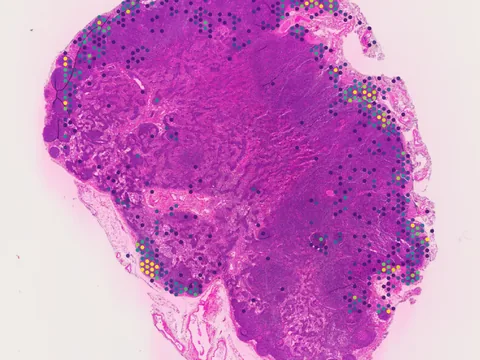
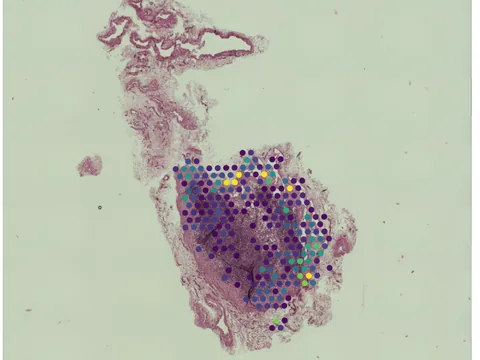
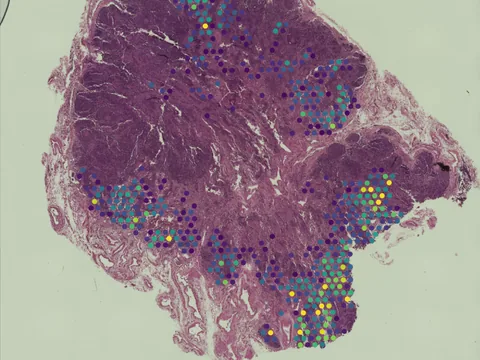
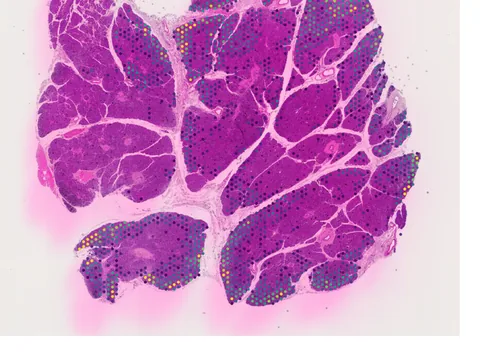
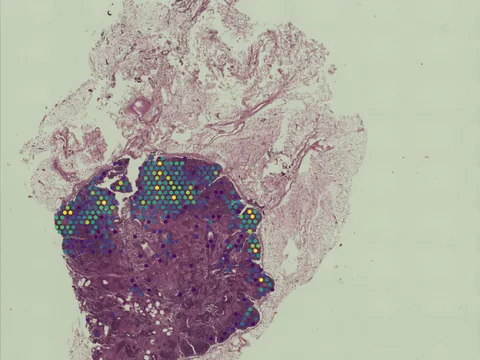
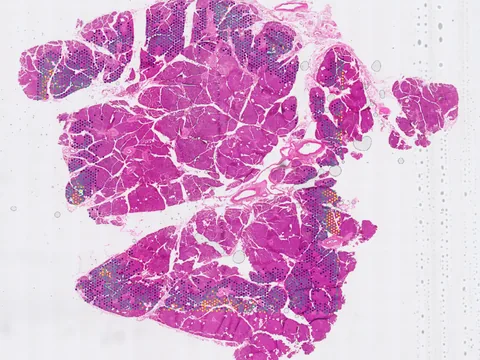
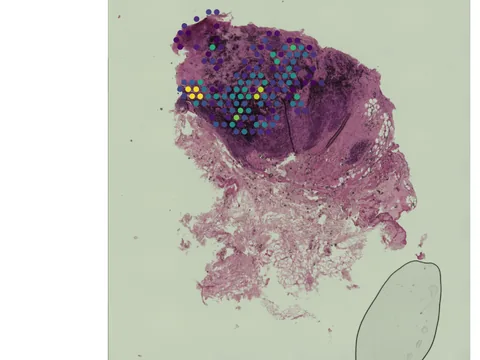
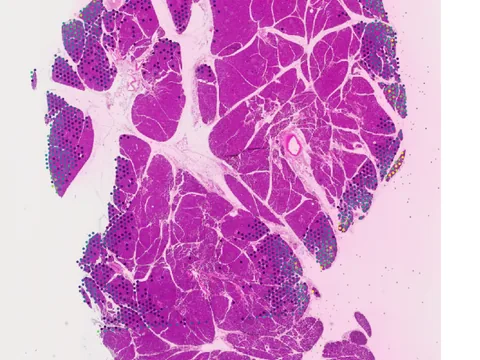
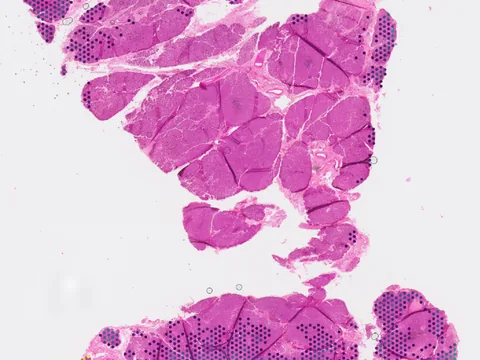
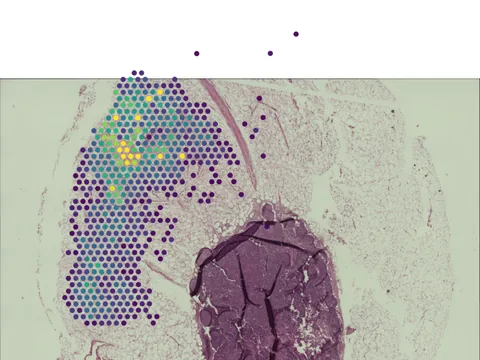
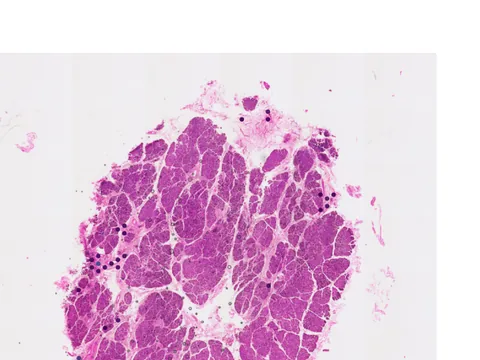
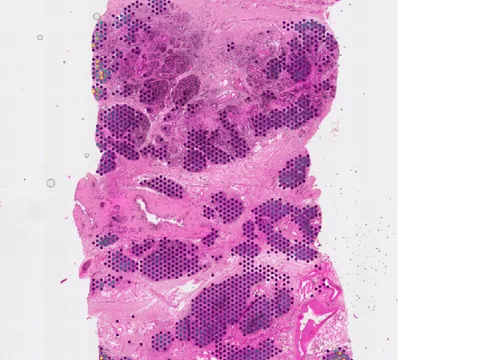
Human pancreatic lymph node
GSM8973773
human pancreatic lymph node 27 MB 3,648 obs bronze
TechnologyVisium
Organismhuman
Tissuepancreatic lymph node
Obs3,648
bronze
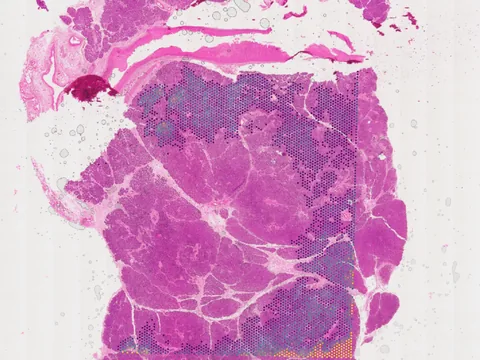
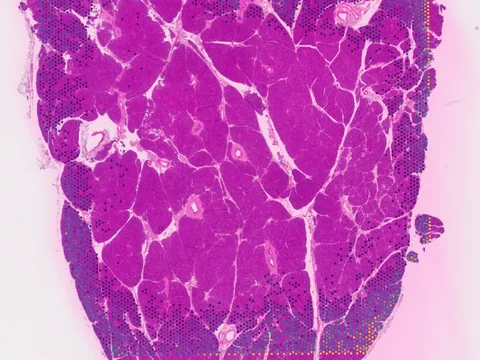
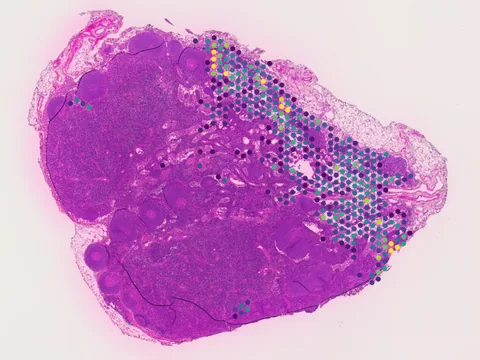
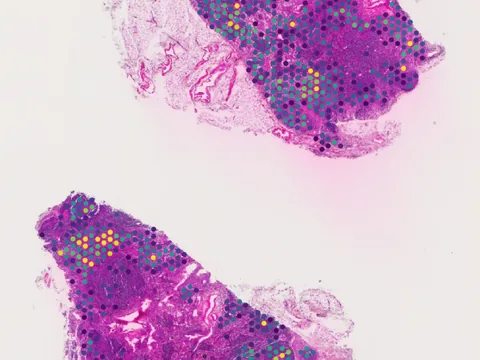
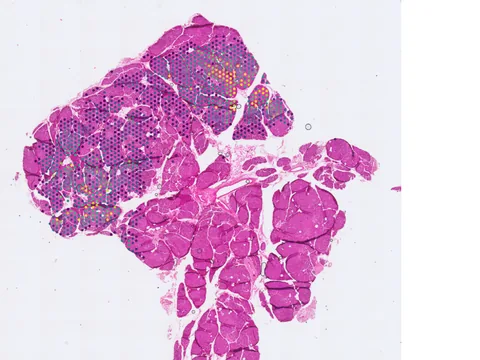
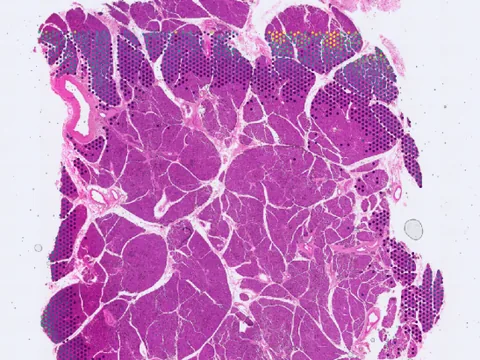
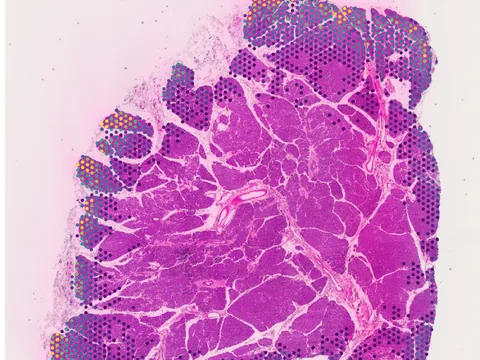
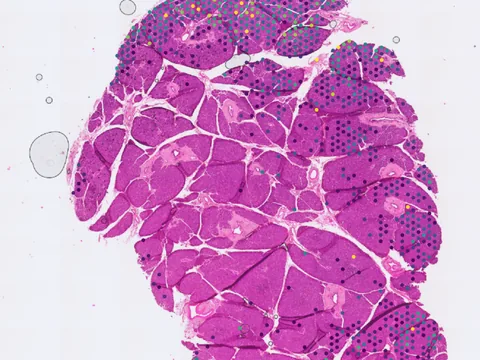
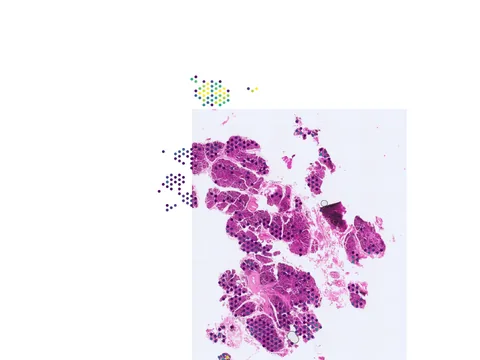
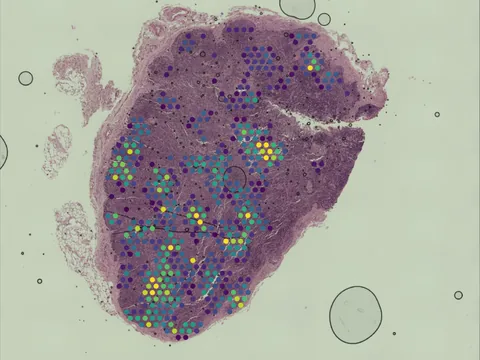
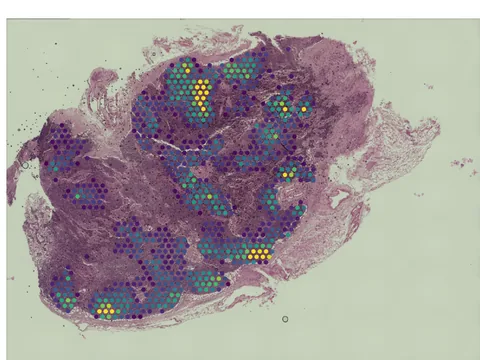
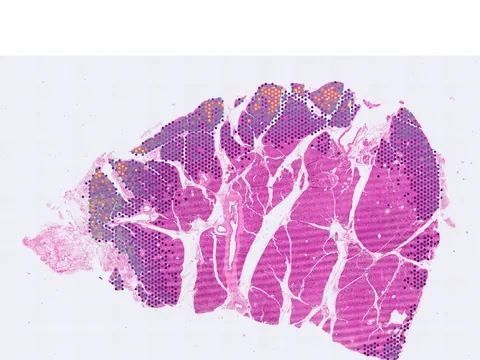
This study explores the inflammatory response involved in type 1 diabetes (T1D) using multi-cell resolution spatial transcriptomics (ST) to assay paired pancreas and pancreatic lymph node (pLN) samples from human donors across the natural history of T1D. Integration of ST with public single-cell RNA sequencing data enabled interrogation of transcriptional alterations in T1D across both tissues at the cellular scale. In the T1D pancreas, we identified global upregulation of inflammation-associated transcripts, including multiple regenerating islet-derived (REG) family genes, complement factor 3 (C3), SOD2, and OLFM4, and highlighted cellular candidates potentially contributing to these signatures. Within the T1D pLN, we observed spatially restricted upregulation of lymphotoxin- (LTB) alongside follicular dendritic cell (FDC)-associated transcripts including FDCSP, CLU, and FCER2. Collectively, these findings highlight a distinct inflammation signature in the pancreas and evidence of enhanced follicular activity in the associated pLN.
import lamindb as ln
import spatialdata as sd

coll = ln.Collection.get(key="geo-gse296626")
coll.ordered_artifacts.df()                 # the 35 members, ordered

# download every member .zarr to the local cache:
paths = [a.cache() for a in coll.ordered_artifacts.all()]

# …or load each straight into memory as a SpatialData object:
sdatas = {a.key: sd.read_zarr(a.cache()) for a in coll.ordered_artifacts.all()} Visium
 Visium
 Visium
 Visium
 Visium
 Visium
 Visium
 Visium
 Visium
 Visium
 Visium
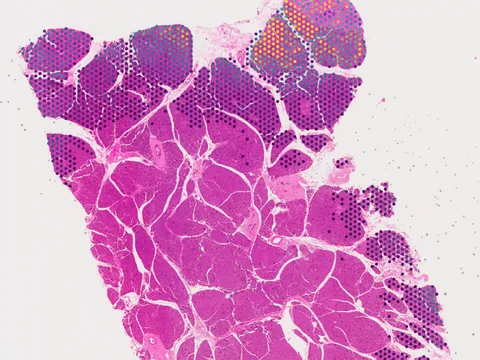 Visium
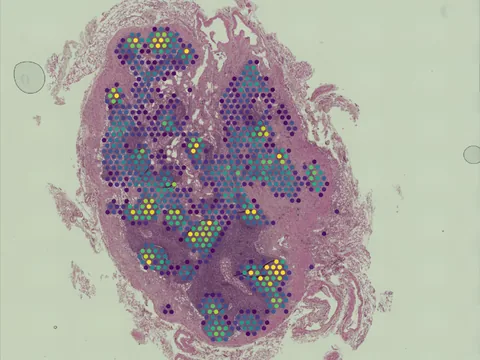 Visium
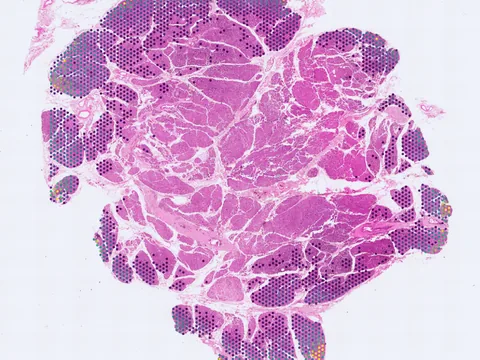 Visium
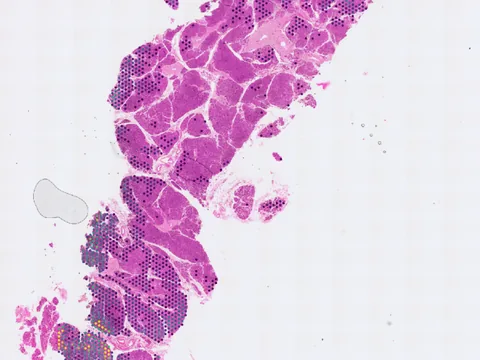 Visium
 Visium
 Visium
 Visium
 Visium
 Visium
 Visium
 Visium
 Visium
 Visium
 Visium
 Visium
 Visium
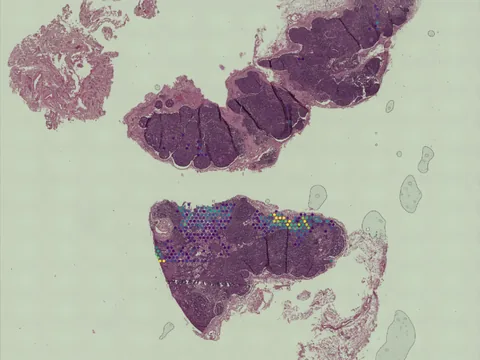 Visium
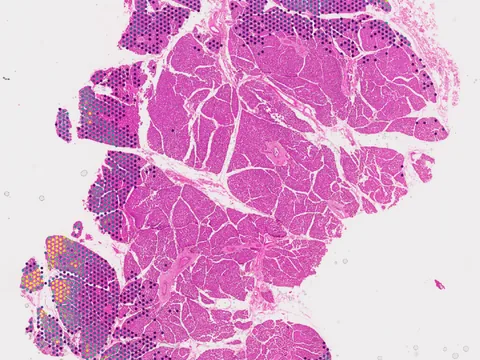 Visium
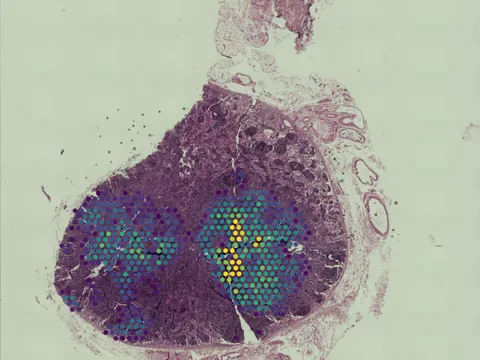 Visium
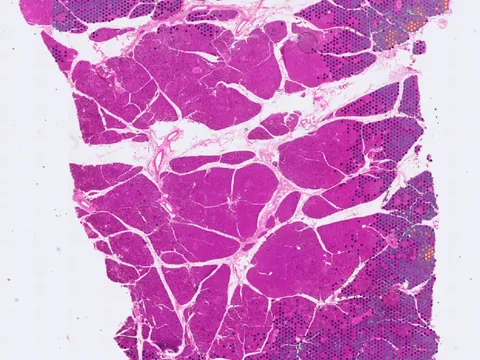 Visium
 Visium
 Visium
 Visium
No linked publication found — please cite the data source.