
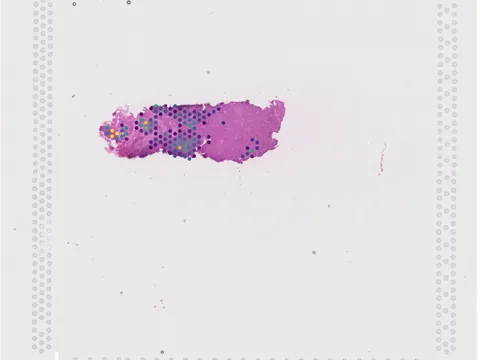
 Visium
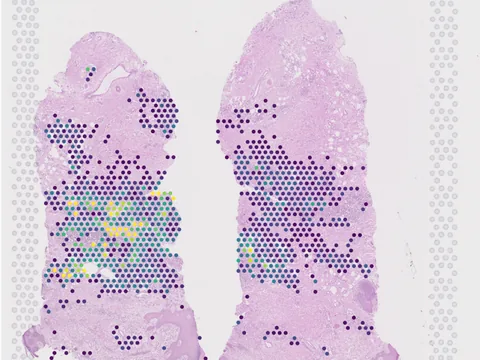
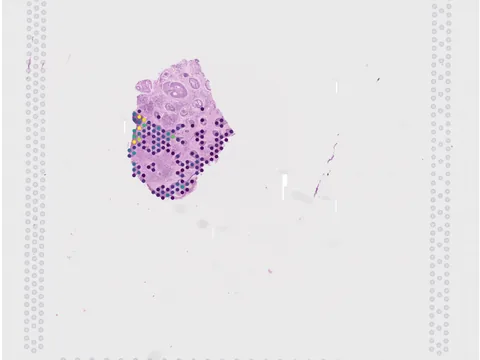
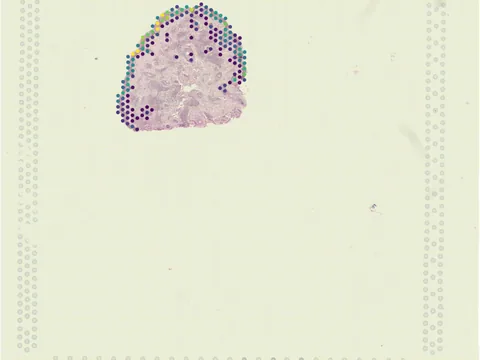
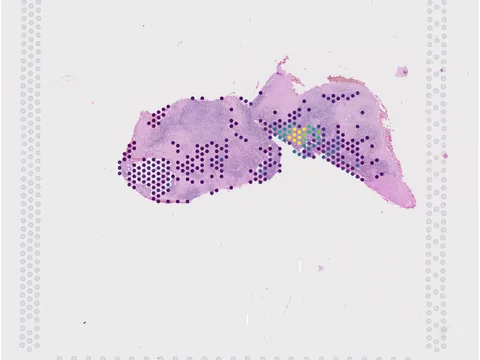
Human skin of body
GSM8804028
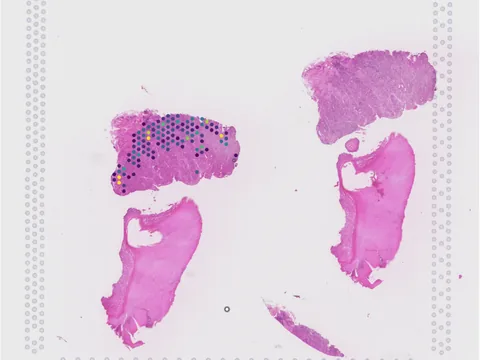
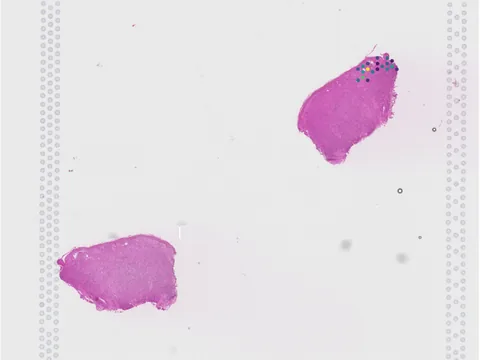
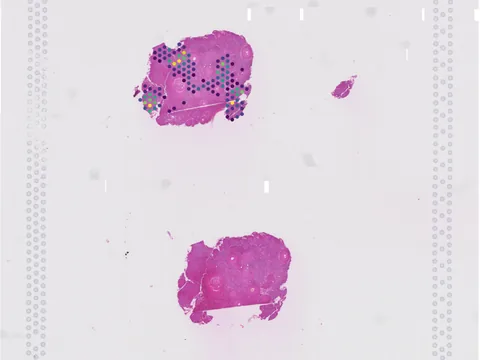
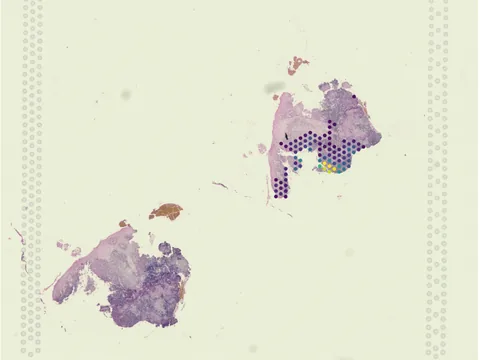
human skin of body cutaneous leishmaniasis 9.3 MB 343 obs silver H&E
TechnologyVisium
Organismhuman
Tissueskin of body
Conditioncutaneous leishmaniasis
Obs343
silver H&E
Human cutaneous leishmaniasis (CL) is characterised by chronic skin pathology. Experimental and clinical data suggest that immune checkpoints (ICs) play a crucial role in disease outcome but the cellular and molecular niches that facilitate IC expression during leishmaniasis are ill-defined. We previously showed that in Sri Lankan patients with CL, indoleamine 2,3-dioxygenase 1 (IDO1) and programmed death-ligand 1 (PD-L1) are enriched in lesion skin and that reduced PD-L1 expression early after treatment onset predicted cure rate following antimonial therapy. Here, we use spatial cell interaction mapping to identify IL-32-expressing CD8+ memory cells and regulatory T cells as key components of the IDO1 / PD-L1 niche in Sri Lankan CL patients and in patients with distinct forms of dermal leishmaniasis in Brazil and India. Furthermore, the abundance of IL-32+ cells and IL-32+CD8+ T cells at treatment onset was prognostic for rate of cure in Sri Lankan patients. This study provides a unique spatial perspective on the mechanisms underpinning IC expression during CL and a novel route to identify additional biomarkers of treatment response.
import lamindb as ln
import spatialdata as sd

coll = ln.Collection.get(key="geo-gse290027")
coll.ordered_artifacts.df()                 # the 12 members, ordered

# download every member .zarr to the local cache:
paths = [a.cache() for a in coll.ordered_artifacts.all()]

# …or load each straight into memory as a SpatialData object:
sdatas = {a.key: sd.read_zarr(a.cache()) for a in coll.ordered_artifacts.all()}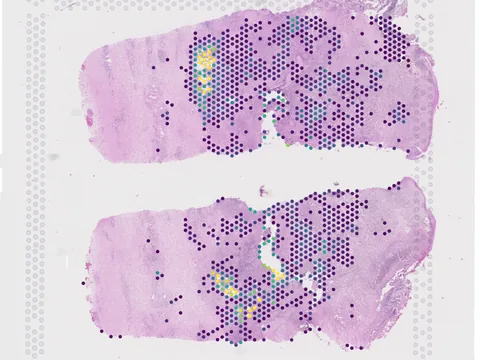 Visium
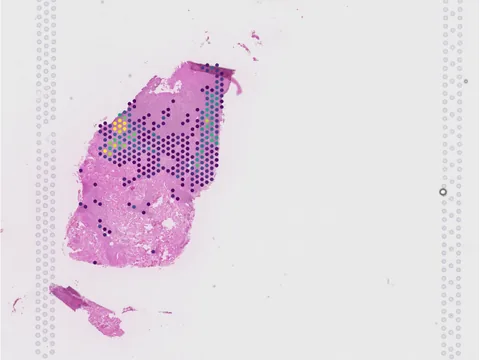 Visium
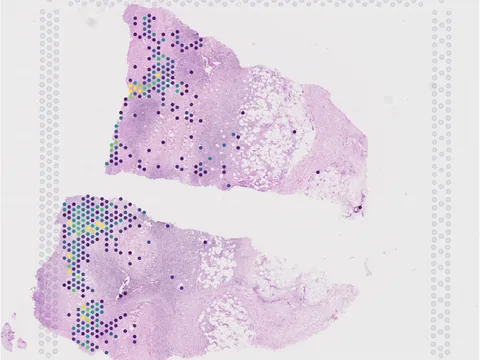 Visium
 Visium
 Visium
 Visium
 Visium
 Visium
 Visium
 Visium
 Visium
No linked publication found — please cite the data source.