
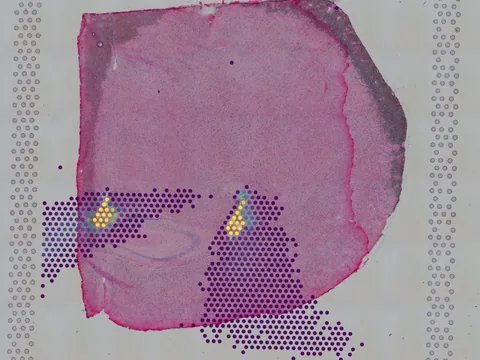
 Visium
Mouse brain
GSM7779849
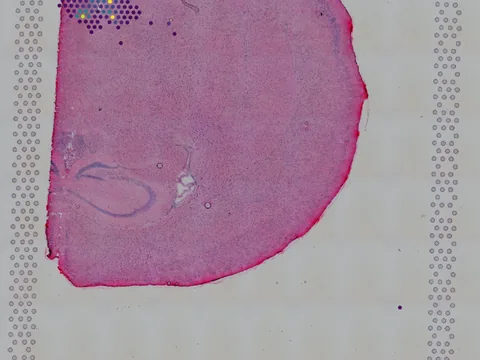
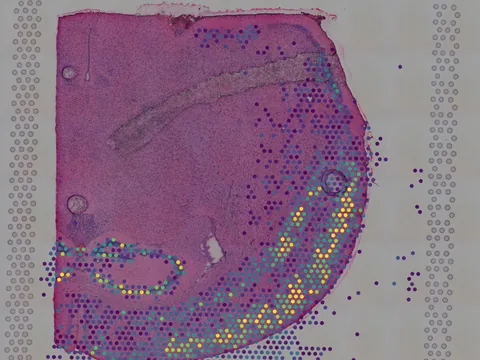
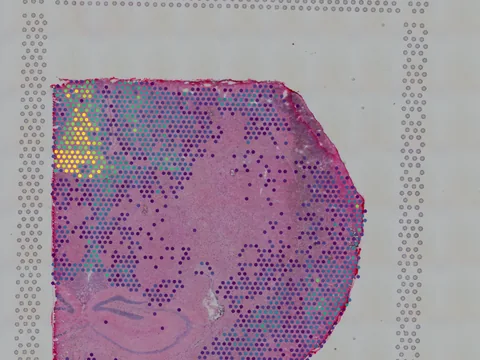
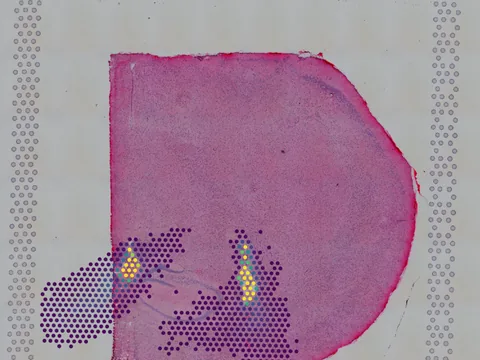
mouse brain 59 MB 4,992 obs silver H&E
TechnologyVisium
Organismmouse
Tissuebrain
Obs4,992
silver H&E
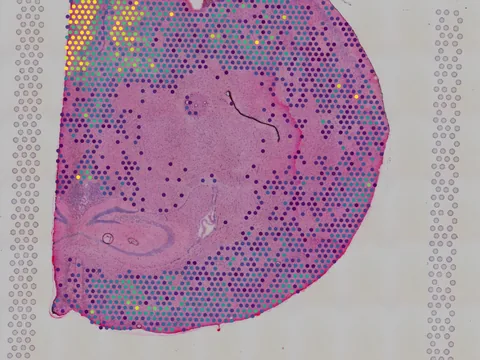
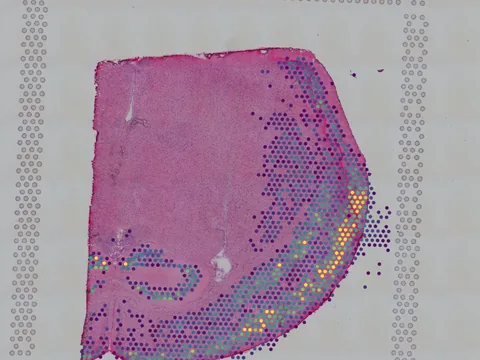
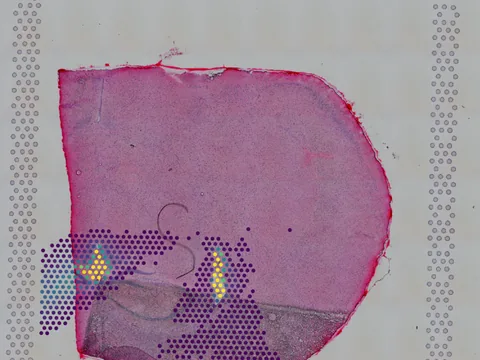
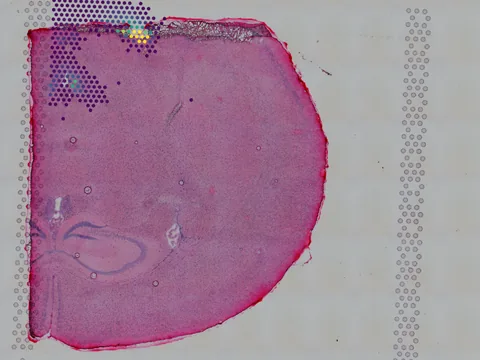
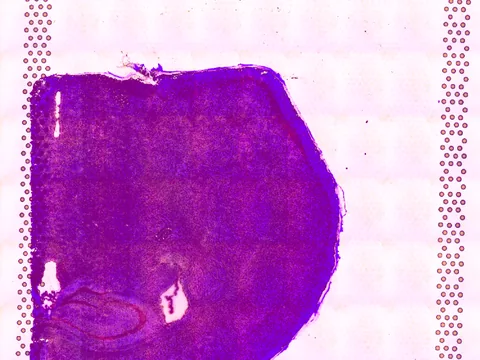
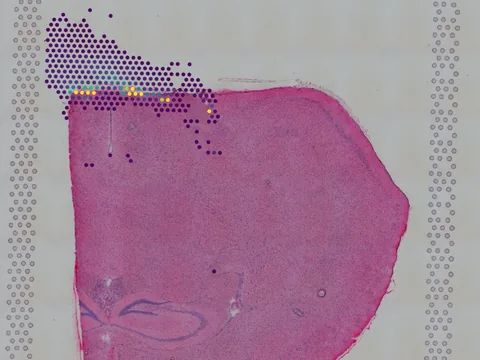
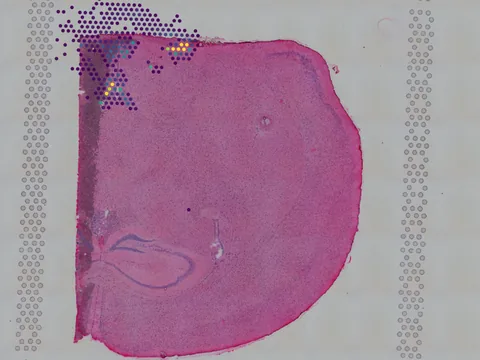
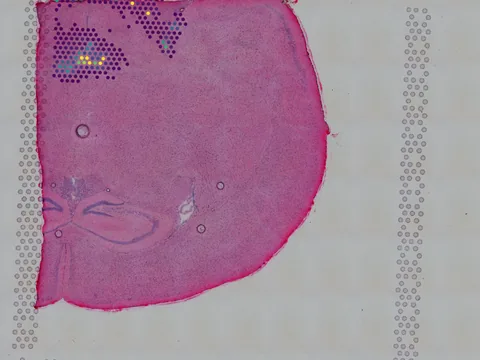
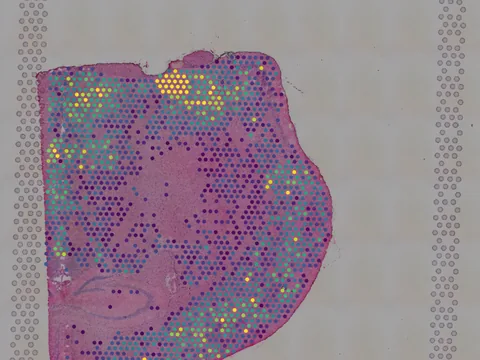
Prior research has demonstrated genome-wide transcriptional changes related to fear and anxiety across species, often focusing on individual brain regions or cell types. However, the extent of gene expression differences across brain regions and how these changes interact at the level of transcriptional connectivity remains unclear. To address this, we performed spatial transcriptomics RNAseq analyses in an auditory threat conditioning paradigm in mice. We generated a spatial transcriptomic atlas of a coronal mouse brain section covering cortical and subcortical regions, corresponding to histologically defined regions. Our finding revealed widespread transcriptional responses across all brain regions examined, particularly in the medial and lateral habenula, and the choroid plexus. Network analyses highlighted altered transcriptional connectivity between cortical and subcortical regions, emphasizing the role of steroidogenic factor 1. These results provide new insights into the transcriptional networks involved in auditory threat conditioning, enhancing our understanding of molecular and neural mechanisms underlying fear and anxiety disorders.
import lamindb as ln
import spatialdata as sd

coll = ln.Collection.get(key="geo-gse243140")
coll.ordered_artifacts.df()                 # the 15 members, ordered

# download every member .zarr to the local cache:
paths = [a.cache() for a in coll.ordered_artifacts.all()]

# …or load each straight into memory as a SpatialData object:
sdatas = {a.key: sd.read_zarr(a.cache()) for a in coll.ordered_artifacts.all()}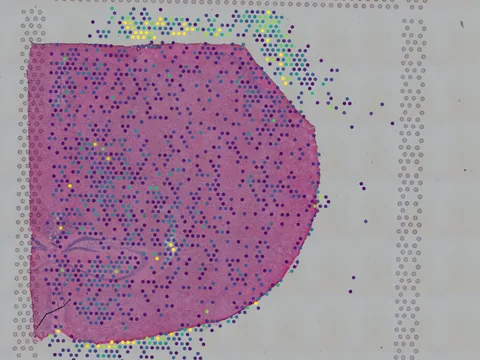 Visium
 Visium
 Visium
 Visium
 Visium
 Visium
 Visium
 Visium
 Visium
 Visium
 Visium
 Visium
 Visium
 Visium
No linked publication found — please cite the data source.