
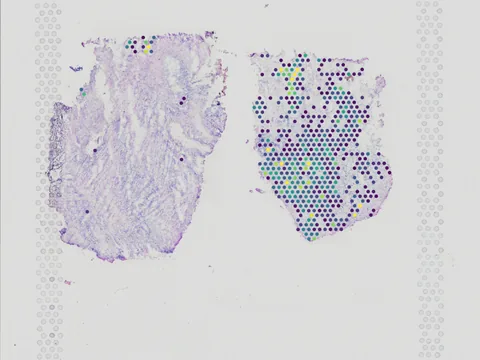
 Visium
Human brain
GSM7507326
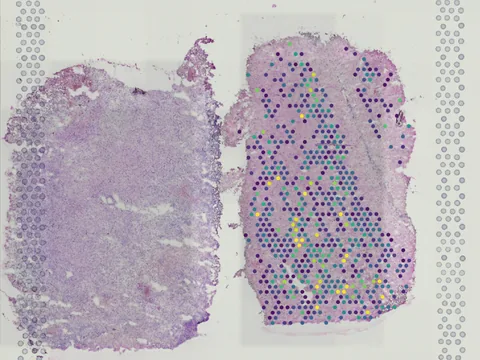
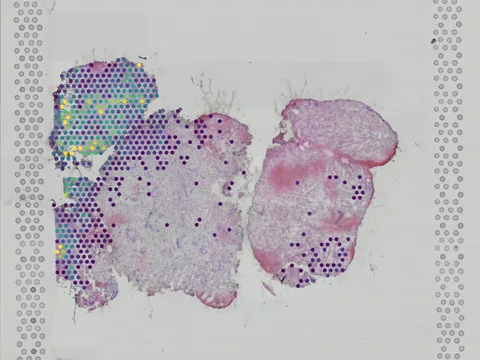
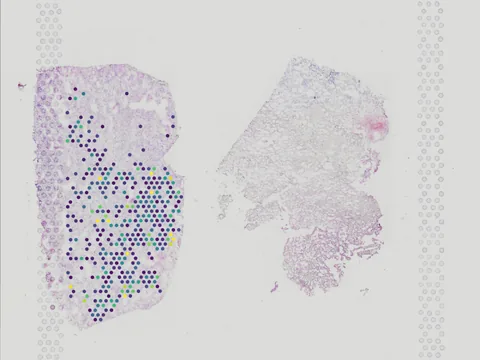
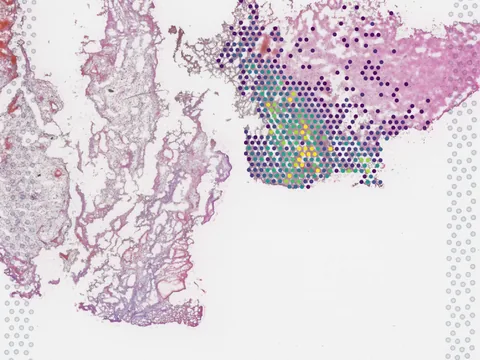
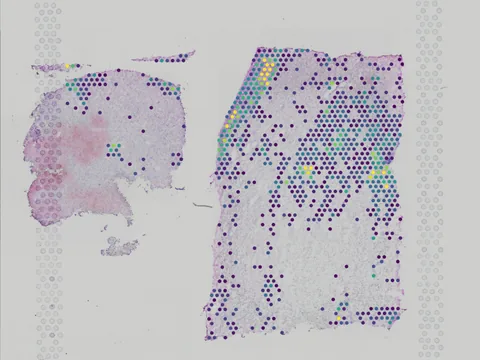
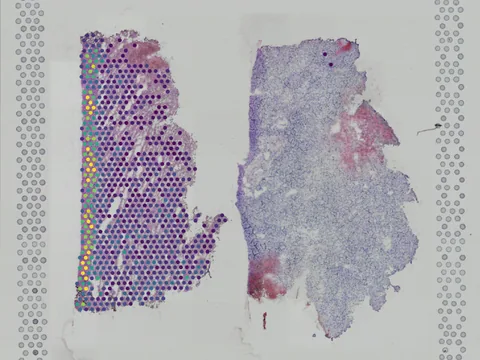
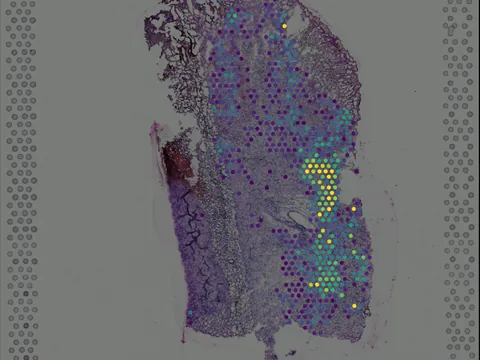
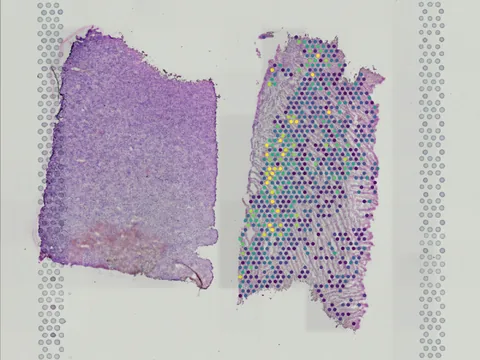
human brain glioblastoma 25 MB 1,948 obs bronze H&E
TechnologyVisium
Organismhuman
Tissuebrain
Conditionglioblastoma
Obs1,948
bronze H&E
The neoadjuvant immune checkpoint blockade therapy only benefits a limited fraction of glioblastoma multiforme (GBM) patients. Thus, targeting other immunomodulators on myeloid cells is an attractive therapeutic option. Here, we performed single-cell RNA sequencing and spatial transcriptomics of GBM patients treated with neoadjuvant anti-PD-1 therapy. We identified unique monocyte-derived tumor-associated macrophage (TAM) subpopulations with functional plasticity that highly expressed the immunosuppressive SIGLEC9 gene and preferentially accumulated in the non-responders to anti-PD-1 treatment. Deletion of Siglece (murine homologue) resulted in significantly restrained tumor development and prolonged survival in mouse models. Mechanistically, targeting Siglece directly activated both CD4+ T cells and CD8+ T cells through antigen presentation, secreted chemokines and co-stimulatory factor interactions. Furthermore, Siglece deletion synergized with anti-PD-1/PD-L1 treatment to improve antitumor efficacy. Our data demonstrated that Siglec-9 is an immune checkpoint molecule on macrophages that can be targeted to enhance anti-PD-1/PD-L1 therapeutic efficacy for GBM treatment.
import lamindb as ln
import spatialdata as sd

coll = ln.Collection.get(key="geo-gse235672")
coll.ordered_artifacts.df()                 # the 20 members, ordered

# download every member .zarr to the local cache:
paths = [a.cache() for a in coll.ordered_artifacts.all()]

# …or load each straight into memory as a SpatialData object:
sdatas = {a.key: sd.read_zarr(a.cache()) for a in coll.ordered_artifacts.all()} Visium
 Visium
 Visium
 Visium
 Visium
 Visium
 Visium
 Visium
 Visium
 Visium
 Visium
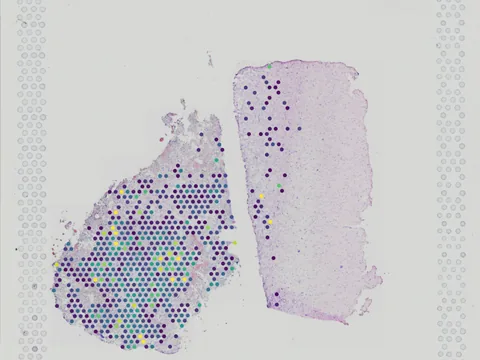 Visium
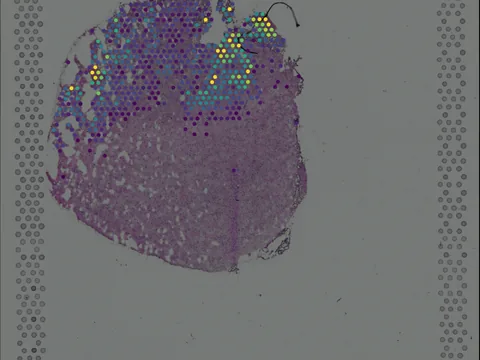 Visium
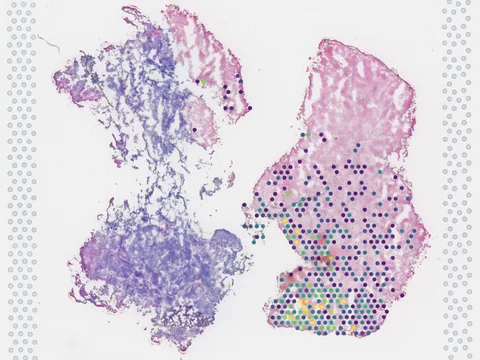 Visium
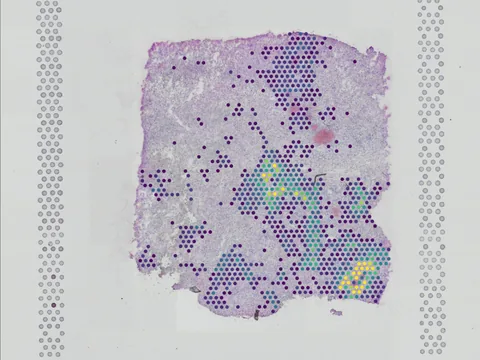 Visium
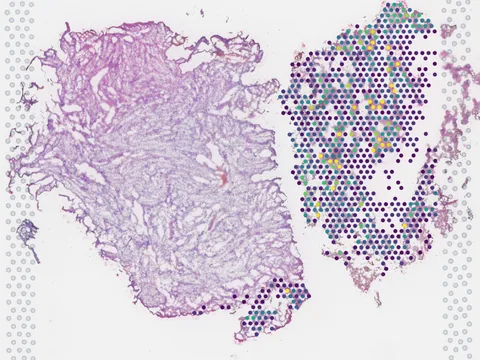 Visium
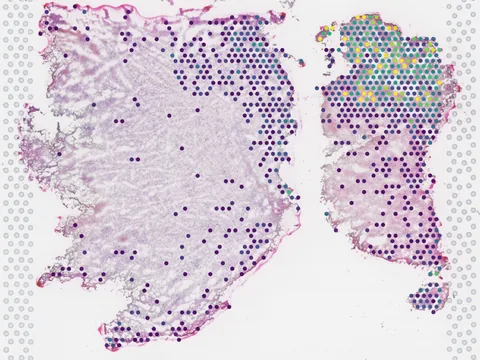 Visium
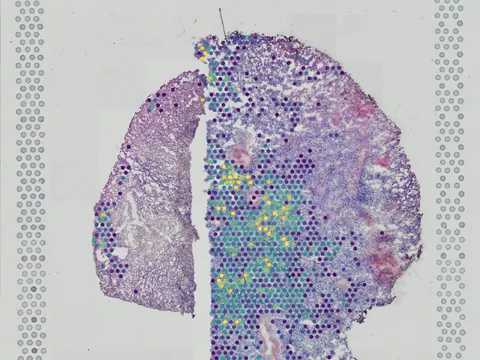 Visium
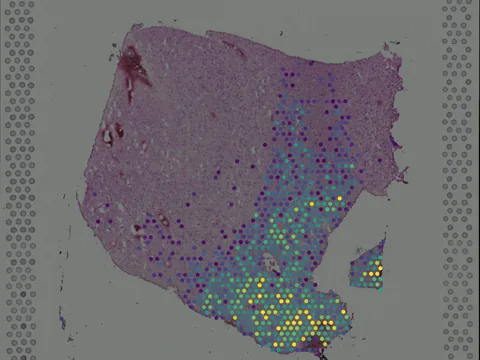 Visium
No linked publication found — please cite the data source.