
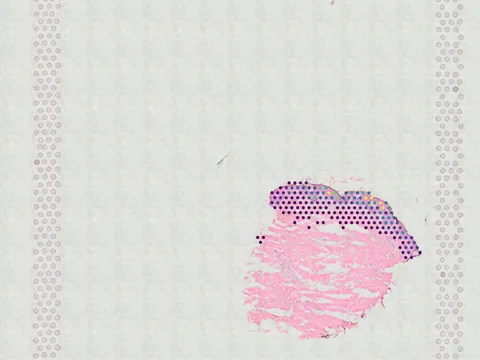
 Visium
Human skin of body
NCBI522
human skin of body atopic eczema 493 MB H&E
TechnologyVisium
Organismhuman
Tissueskin of body
Conditionatopic eczema
Magnification20x · 0.527 µm/px
H&E
import lamindb as ln
import spatialdata as sd

coll = ln.Collection.get(key="doi-10.1038/s41467-022-35319-w")
coll.ordered_artifacts.df()                 # the 59 members, ordered

# download every member .zarr to the local cache:
paths = [a.cache() for a in coll.ordered_artifacts.all()]

# …or load each straight into memory as a SpatialData object:
sdatas = {a.key: sd.read_zarr(a.cache()) for a in coll.ordered_artifacts.all()}Abundant heterogeneous immune cells infiltrate lesions in chronic inflammatory diseases and characterization of these cells is needed to distinguish disease-promoting from bystander immune cells. Here, we investigate the landscape of non-communicable inflammatory skin diseases (ncISD) by spatial transcriptomics resulting in a large repository of 62,000 spatially defined human cutaneous transcriptomes from 31 patients. Despite the expected immune cell infiltration, we observe rather low numbers of pathogenic disease promoting cytokine transcripts (IFNG, IL13 and IL17A), i.e. >125 times less compared to the mean expression of all other genes over lesional skin sections. Nevertheless, cytokine expression is limited to lesional skin and presented in a disease-specific pattern. Leveraging a density-based spatial clustering method, we identify specific responder gene signatures in direct proximity of cytokines, and confirm that detected cytokine transcripts initiate amplification cascades of up to thousands of specific responder transcripts forming localized epidermal clusters. Thus, within the abundant and heterogeneous infiltrates of ncISD, only a low number of cytokine transcripts and their translated proteins promote disease by initiating an inflammatory amplification cascade in their local microenvironment.
Visium 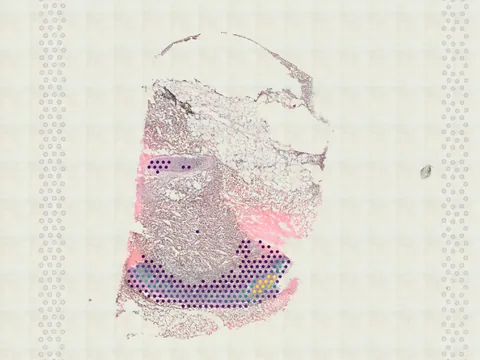 Visium
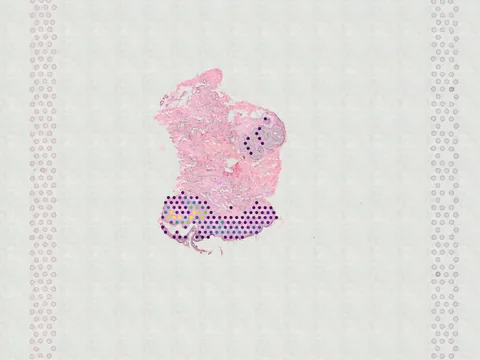 Visium
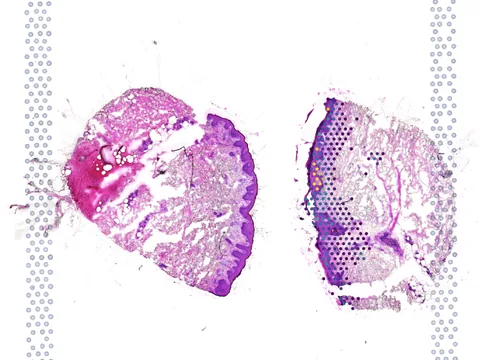 Visium
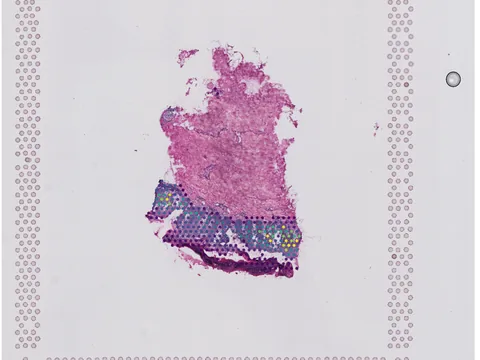 Visium
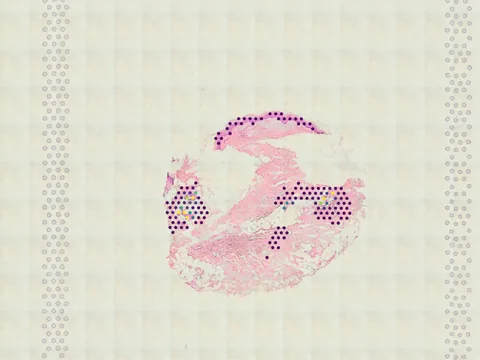 Visium
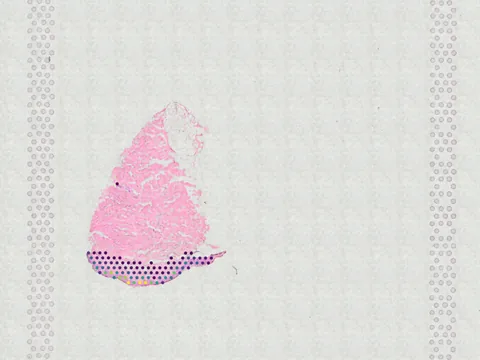 Visium
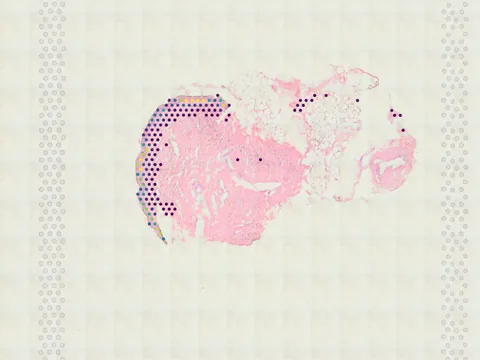 Visium
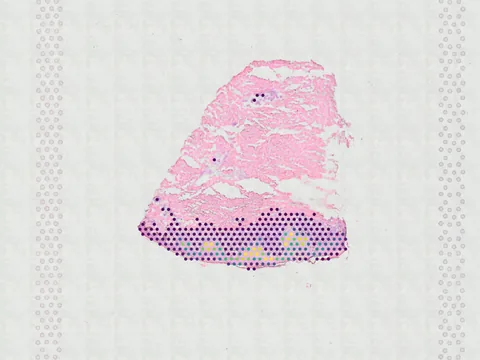 Visium
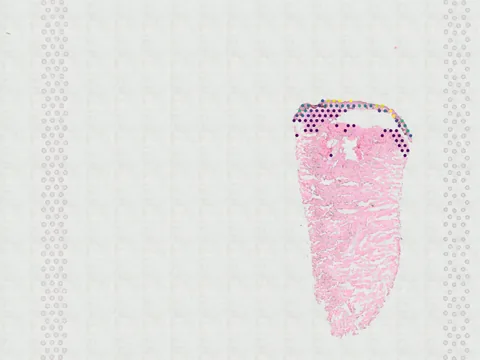 Visium
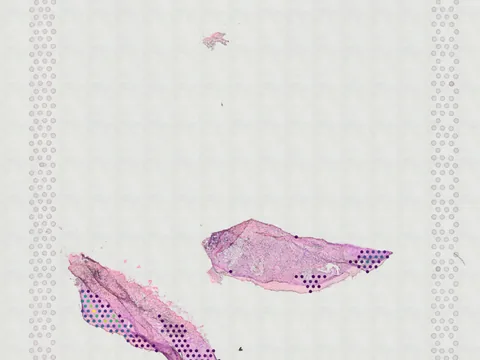 Visium
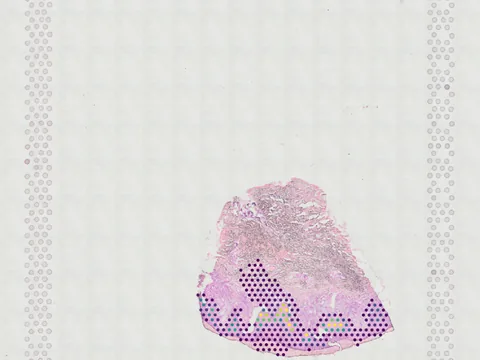 Visium
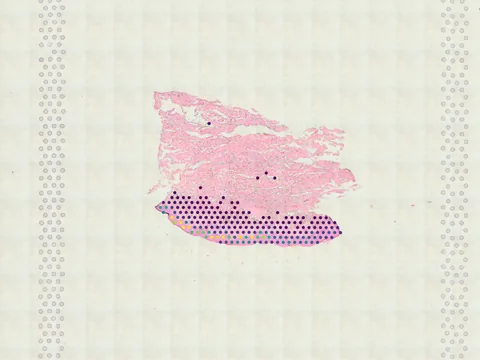 Visium
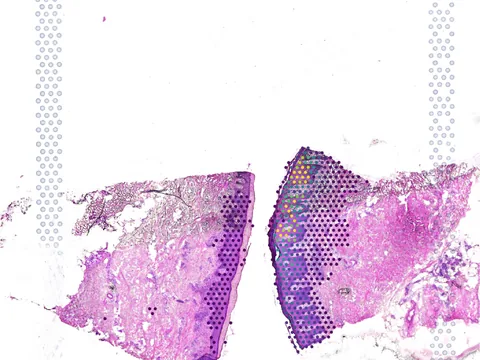 Visium
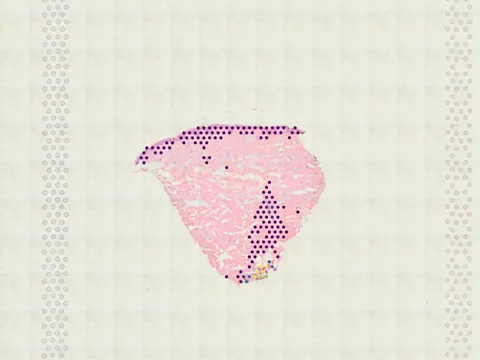 Visium
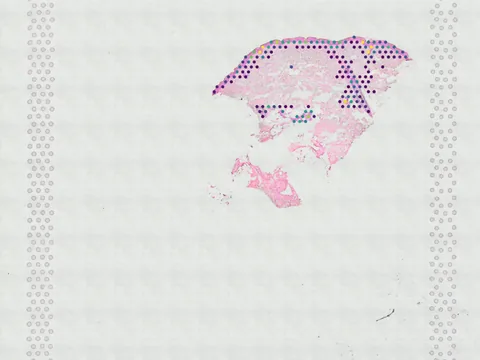 Visium
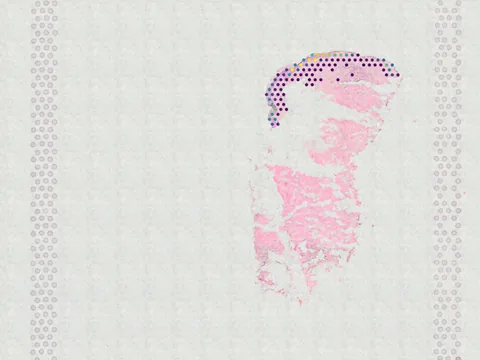 Visium
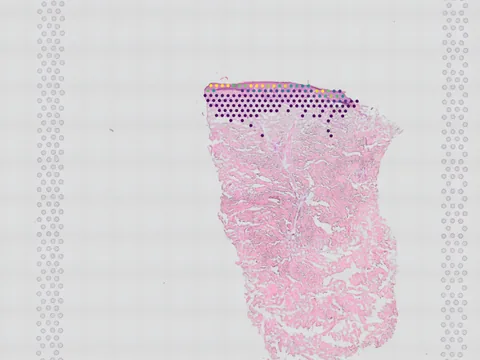 Visium
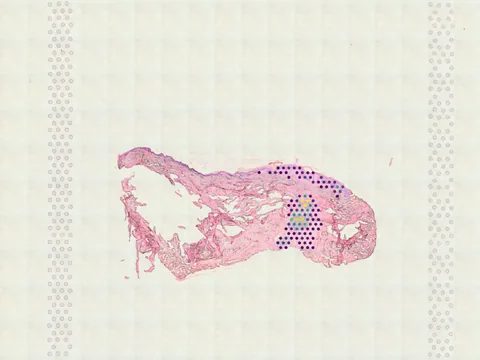 Visium
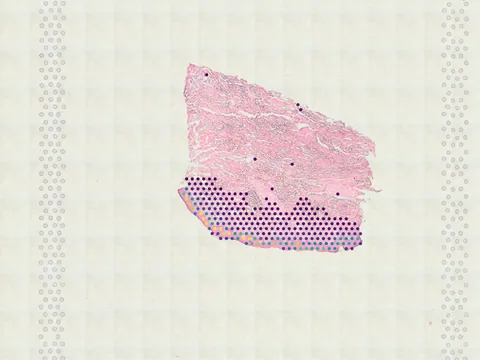 Visium
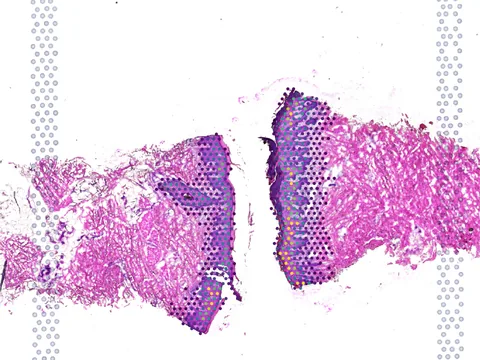 Visium
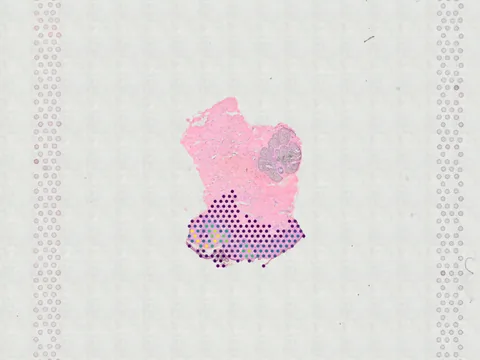 Visium
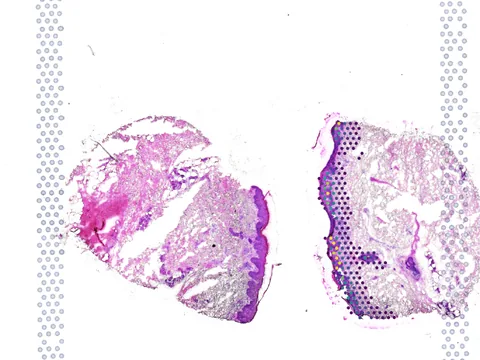 Visium
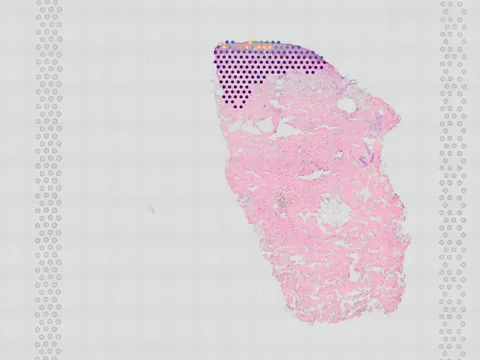 Visium
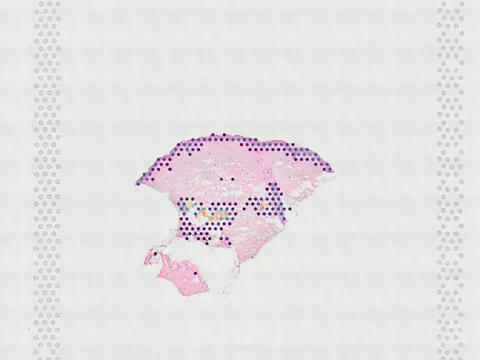 Visium
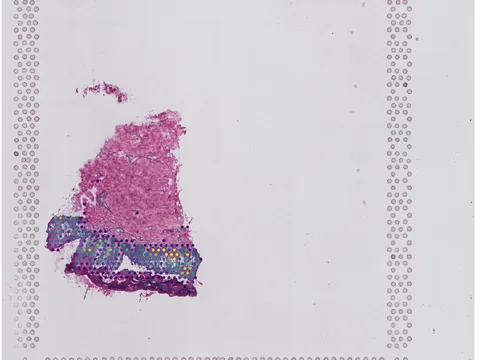 Visium
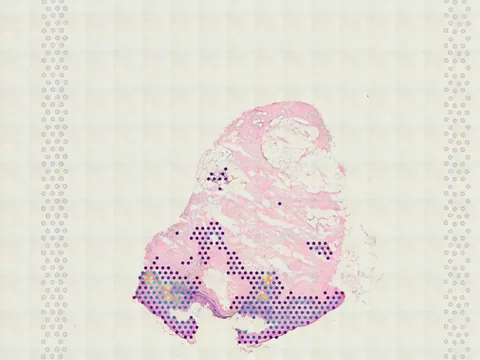 Visium
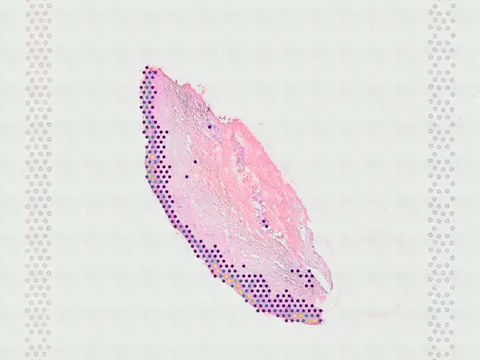 Visium
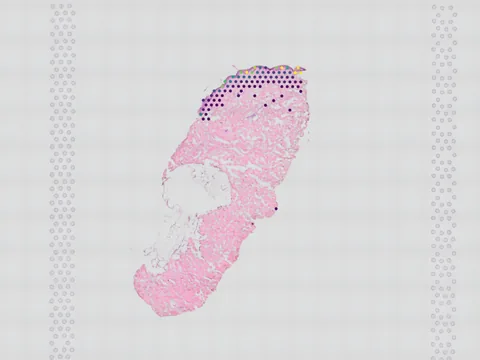 Visium
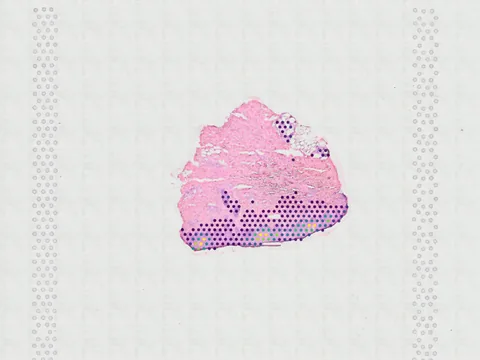 Visium
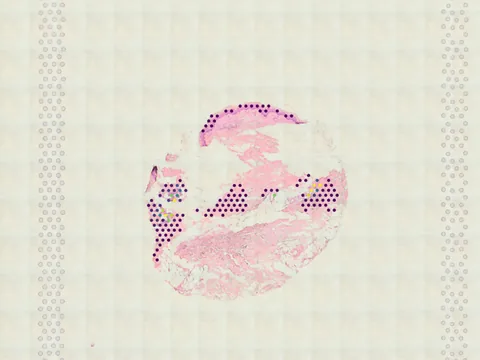 Visium
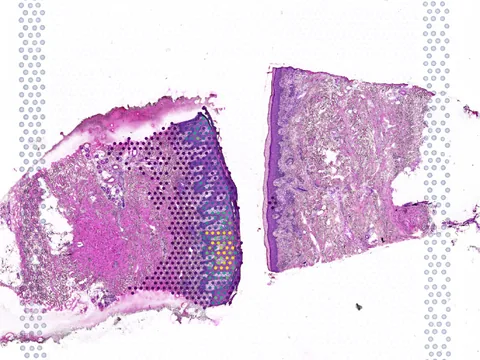 Visium
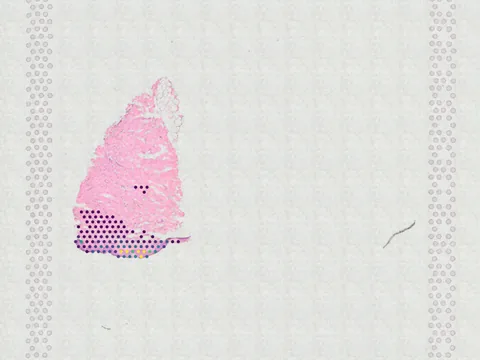 Visium
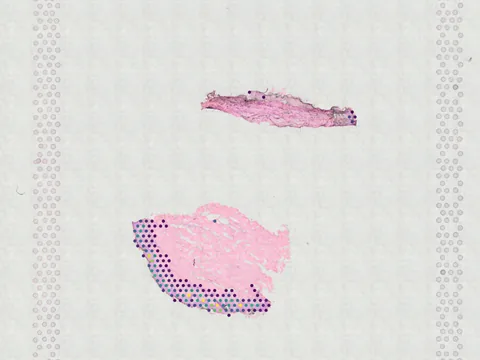 Visium
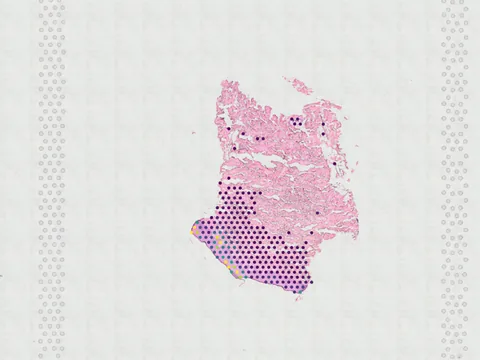 Visium
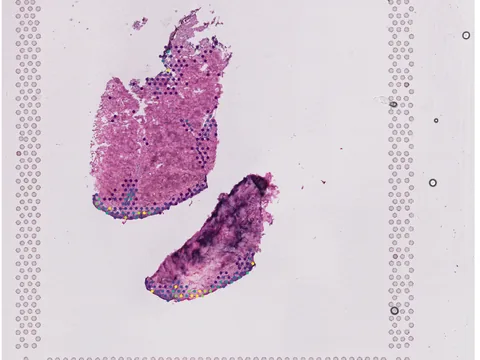 Visium
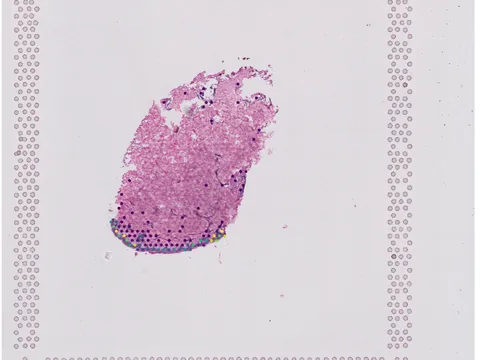 Visium
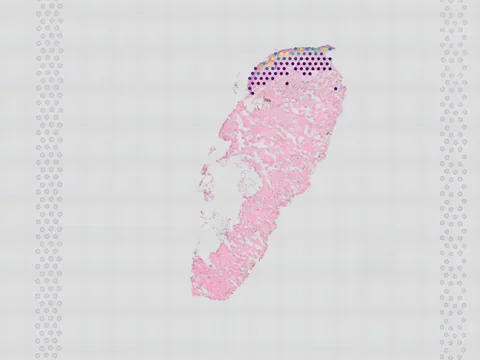 Visium
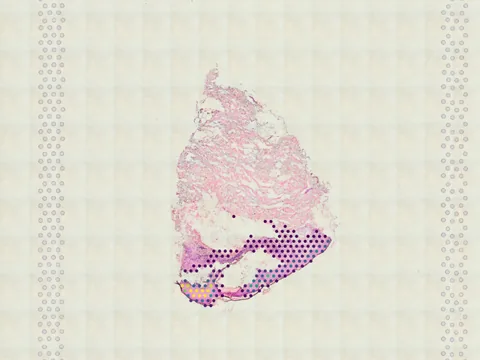 Visium
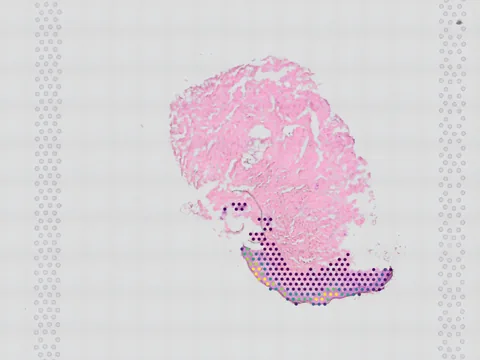 Visium
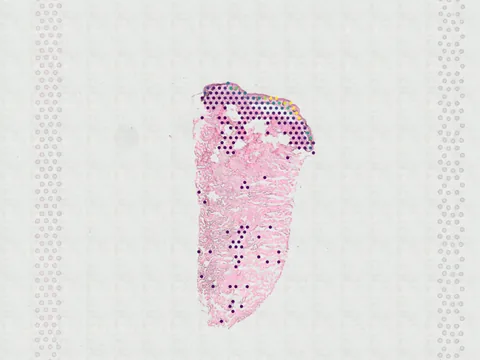 Visium
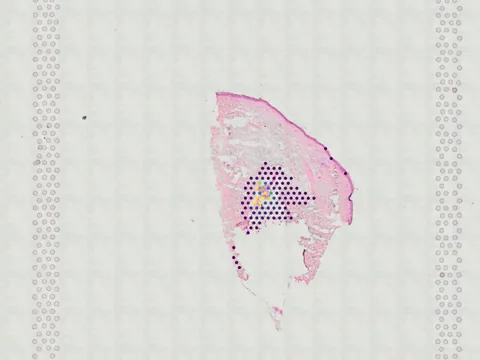 Visium
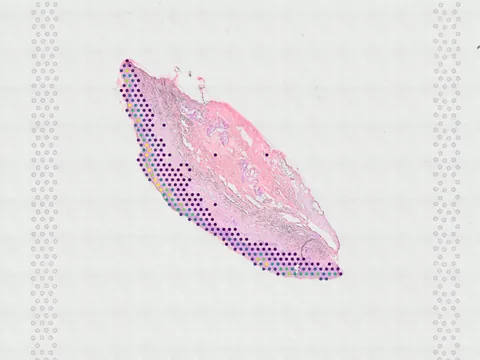 Visium
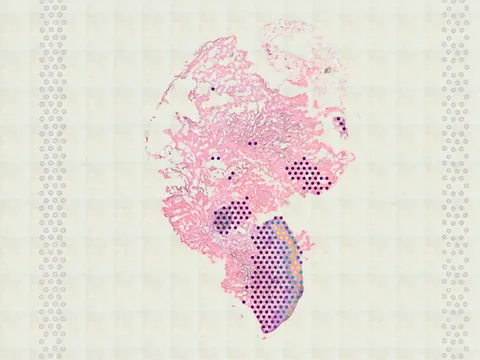 Visium
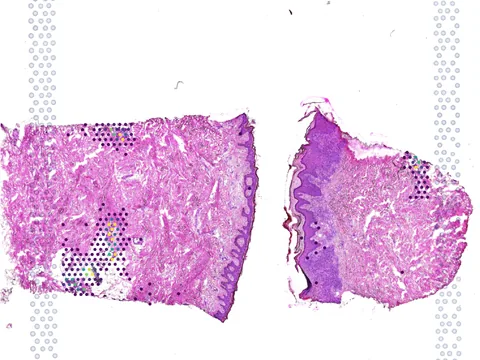 Visium
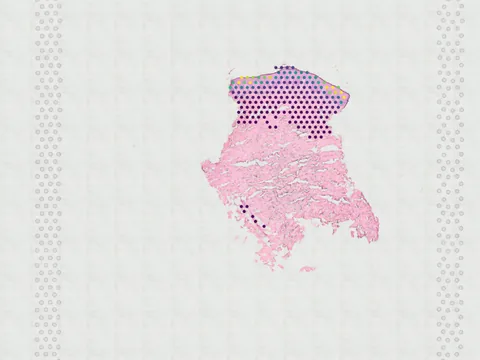 Visium
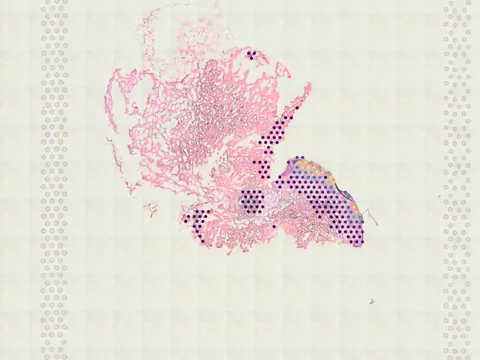 Visium
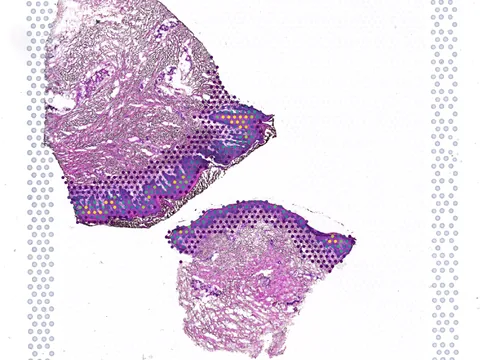 Visium
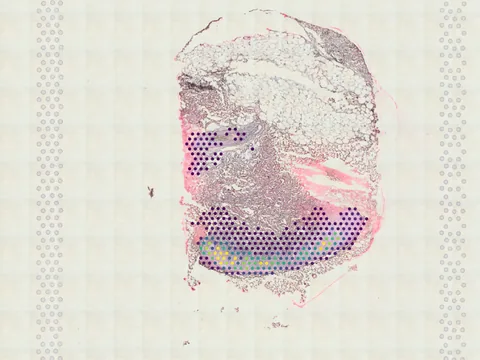 Visium
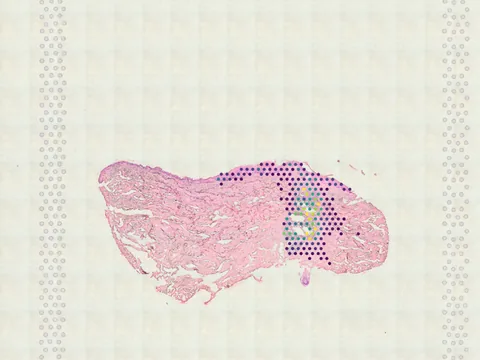 Visium
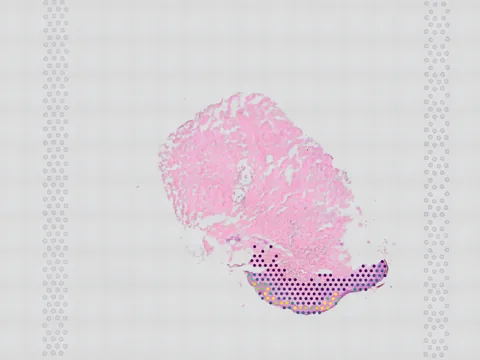 Visium
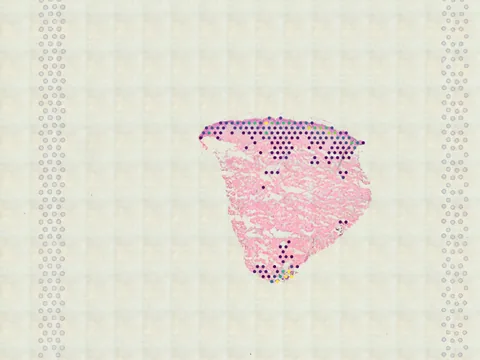 Visium
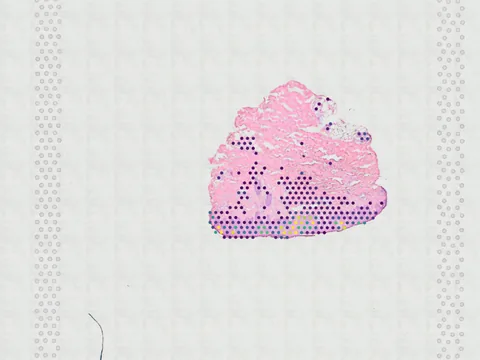 Visium
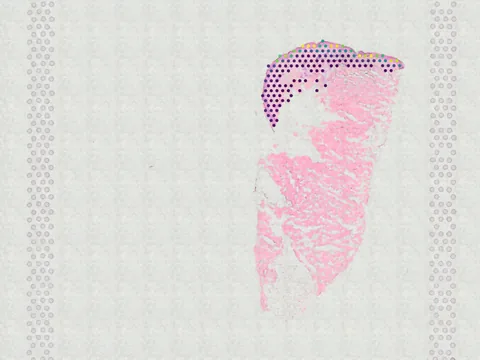 Visium
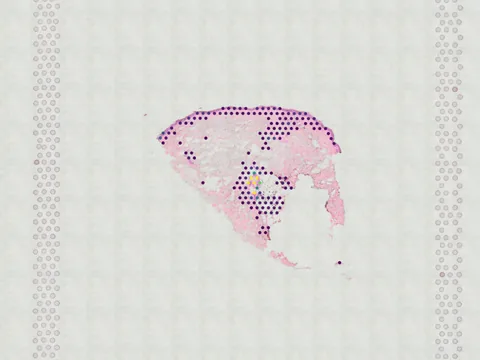 Visium
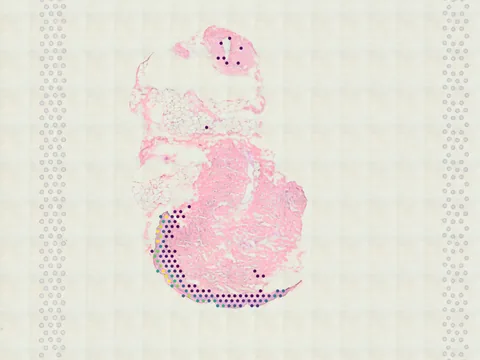 Visium
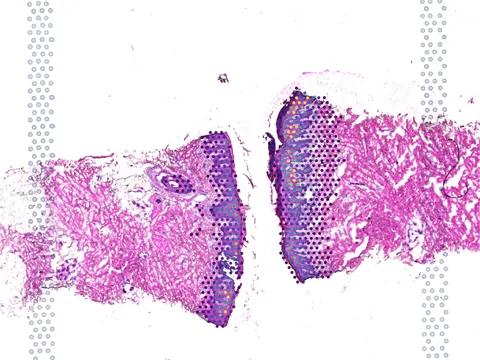 Visium
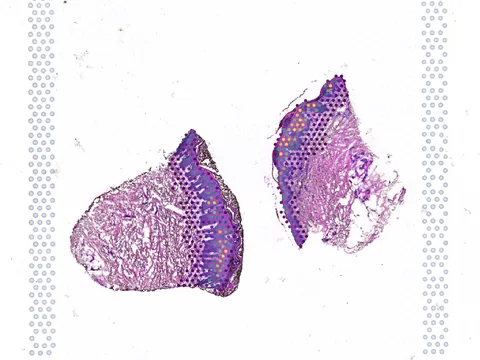 Visium
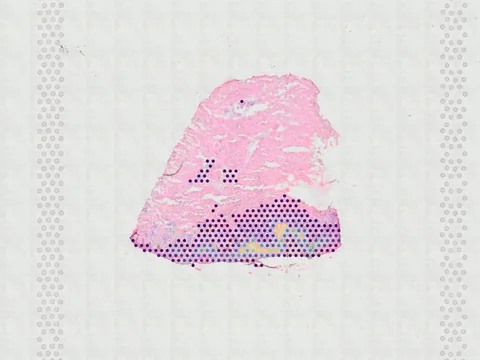 Visium
@article{Sch_bitz_2022,
  title = {Spatial transcriptomics landscape of lesions from non-communicable inflammatory skin diseases},
  volume = {13},
  ISSN = {2041-1723},
  url = {http://dx.doi.org/10.1038/s41467-022-35319-w},
  DOI = {10.1038/s41467-022-35319-w},
  number = {1},
  journal = {Nature Communications},
  publisher = {Springer Science and Business Media LLC},
  author = {Schäbitz, A. and Hillig, C. and Mubarak, M. and Jargosch, M. and Farnoud, A. and Scala, E. and Kurzen, N. and Pilz, A. C. and Bhalla, N. and Thomas, J. and Stahle, M. and Biedermann, T. and Schmidt-Weber, C. B. and Theis, F. and Garzorz-Stark, N. and Eyerich, K. and Menden, M. P. and Eyerich, S.},
  year = {2022},
  month = Dec
}